
The Last Roman Trilogy Books in Order
Part ofDavid Donachie Books in OrderExplore The Last Roman Trilogy by David Donachie in order, with summaries, historical background, and a quick guide to where to start.
Last updated:
As an Amazon Associate, we earn from qualifying purchases (at no extra cost to you).
The Last Roman Trilogy books in publication order
3 books
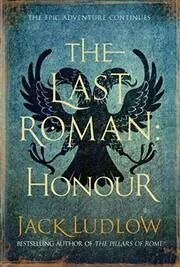
Honour
by David Donachie
2014
The war to restore imperial greatness grows bloodier, and private grievances refuse to stay private. Between court politics, battlefield pressure, and questions of loyalty, honour becomes both a duty and a burden.
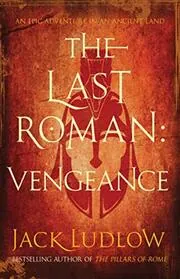
Vengeance
by David Donachie
2014
In sixth-century Byzantium, old loyalties and fresh betrayals set a dangerous path in motion. As imperial ambition spreads west, vengeance becomes personal, and one family's struggle is swept into the wider fight for the Roman world.
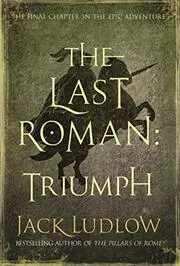
Triumph
by David Donachie
2015
Belisarius marches into Italy as Justinian's dream of restoring Rome reaches its most dangerous stage. Victory, siege warfare, and court corruption collide in a brutal finale where survival can matter more than glory.
The Last Roman Trilogy books in chronological order
Series background & context
The Last Roman trilogy moves to sixth-century Byzantium, where the old Roman world still exists in name but is being fought over in brutal new forms. These books center on the age of Emperor Justinian and his great reconquest campaigns, with Italy, the Goths, and the dream of restoring imperial rule driving the action.
It is a big historical canvas.
Donachie uses that scale well, but he does not make the story feel distant. Vengeance, Honour, and Triumph keep bringing the reader back to the cost of empire at ground level, in the lives of soldiers, commanders, families, and officials caught inside Justinian's ambitions. Flavius Belisarius, the empire's most famous general, stands at the heart of the military story, yet the trilogy is interested in more than marching and battle. It keeps asking what victory is worth, who gets to claim it, and who is left to absorb the damage.
Italy matters here because it turns the idea of Roman restoration into something physical and ugly. Cities must be taken, held, and defended. Supplies fail. Allies wobble. Corruption spreads. The Goths are dangerous enemies, but so are vanity, rivalry, and the political games played far from the front. Donachie likes institutions that are impressive from the outside and badly strained within, and Byzantium gives him plenty to work with.
The tone is darker and broader than in his sea novels. There is still momentum, but there is more siege warfare, more maneuvering between court and camp, and more attention to the exhausting grind of a long campaign. Readers who enjoy military history will find plenty of action, while readers who want political tension will get that too.
If you come to the trilogy expecting a simple heroic march, that is not really what it offers. These books are about restoration as a dangerous fantasy as much as a noble goal. They show a world trying to call itself Roman while surviving by compromise, ruthlessness, and force. That makes the trilogy feel weighty without becoming slow, and it gives Donachie room to do what he does best, put capable people inside unstable systems and see how much pressure they can take.









Edited by
Software engineer whose passion for tracking book recommendations from podcasts inspired the creation of MRB.
Lead investor at 3one4 Capital whose startup expertise and love for books helped shape MRB and its growth.
Comments
Did we miss something? Have feedback?
Help us improve this page by sharing your thoughts