
Crusades Trilogy Books in Order
Part ofDavid Donachie Books in OrderExplore the Crusades Trilogy by David Donachie in order, with book summaries, series background, and simple where-to-start advice.
Last updated:
As an Amazon Associate, we earn from qualifying purchases (at no extra cost to you).
Crusades Trilogy books in publication order
3 books
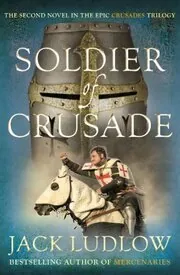
Soldier of Crusade
by David Donachie
2012
Bohemund and Tancred head east with the First Crusade, where every alliance comes with a price. Marches, sieges, and Byzantine politics test the de Hautevilles as hard as any battle with the Turks.
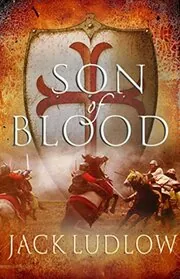
Son of Blood
by David Donachie
2012
As Norman power grows in 11th-century Italy, Bohemund comes of age under the towering shadow of Robert Guiscard. Family rivalry, papal politics, and the first pull of crusade make inheritance a dangerous business.

Prince of Legend
by David Donachie
2013
Bohemund's gamble in the East brings him power, but holding it is harder than taking it. With Antioch and the wider crusade in turmoil, ambition, faith, and family loyalty pull the Norman leader in different directions.
Crusades Trilogy books in chronological order
Series background & context
The Crusades trilogy follows naturally from the de Hauteville books in the Conquest series, but it also works on its own as a story about ambition, warfare, and the First Crusade. By this point the Norman family has already fought and schemed its way to real power in southern Italy. Now the horizon widens, and the road leads east.
The key figures are Bohemund and Tancred.
In Son of Blood, Donachie sets up the family tensions and inheritance struggles that shape Bohemund's future. He is the son of Robert Guiscard, powerful, formidable, and not automatically secure in what should be his. From there the trilogy moves into the wider world of crusade. Soldier of Crusade sends Bohemund and Tancred into the Byzantine sphere and on toward the battles, sieges, hunger, and improvisation that define the early campaign. Prince of Legend then looks at what happens when taking power is easier than holding it.
One of the best things about the series is that it does not flatten the crusade into pure piety or pure cynicism. Faith is present, but so are land hunger, pride, dynastic interest, distrust of Byzantium, and the hard practical business of keeping men alive in a hostile landscape. Emperor Alexius is never just background. Neither are the Turks. Every alliance feels conditional, and every victory brings fresh complications.
The tone is muscular and unsentimental. Donachie is good at battles, but he is equally good at the long strain around them, the marching, bargaining, waiting, and worrying that turn grand campaigns into human ordeals. The Norman discipline and aggression that helped the family rise in Italy become both an advantage and a liability in the East.
If you like medieval fiction with real geopolitical weight, this trilogy is very satisfying. It keeps the family focus that made the earlier de Hauteville books work, but it places that family inside one of the largest and messiest ventures of the age. The result is a series about fame, inheritance, and conquest, but also about what happens when men head east believing history is theirs to take.










Edited by
Software engineer whose passion for tracking book recommendations from podcasts inspired the creation of MRB.
Lead investor at 3one4 Capital whose startup expertise and love for books helped shape MRB and its growth.
Comments
Did we miss something? Have feedback?
Help us improve this page by sharing your thoughts