
The Kirov Trilogy Books in Order
Part ofCynthia Harrod Eagles Books in OrderFind the Kirov Trilogy books in order by Cynthia Harrod-Eagles, with short summaries, series background, and a quick guide to the best reading order.
Last updated:
As an Amazon Associate, we earn from qualifying purchases (at no extra cost to you).
The Kirov Trilogy books in publication order
3 books

Anna
by Cynthia Harrod Eagles
1990
In 1803, an English governess fleeing revolutionary France accepts a post with the Kirov family in St Petersburg. Drawn into aristocratic life and a dangerous attraction, she has to survive politics, class rules, and the approach of war.
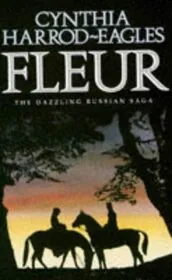
Fleur
by Cynthia Harrod Eagles
1991
A new generation of the Kirov family faces a Russia under strain, where private happiness is never separate from power and reputation. Love, loyalty, and ambition collide as the family tries to protect what it has built.
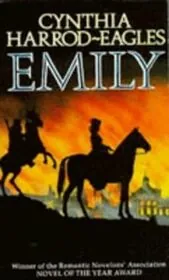
Emily
by Cynthia Harrod Eagles
1993
In 1910, Emily Paget travels to St Petersburg with her Russian grandmother and steps into a world of glamour and danger. With war and revolution approaching, she must choose what she believes in, and who she can trust to survive.
The Kirov Trilogy books in chronological order
Series background & context
The Kirov Trilogy is a three-book historical saga set in Imperial Russia, told through a family story that keeps colliding with politics, spanning from 1803 to the years before the Russian Revolution and the First World War. It’s romantic in the old sense, big feelings, big decisions, and the knowledge that a wrong choice can follow you for decades.
Anna opens in 1803 with Anne Peters, an English governess who escapes revolutionary France and accepts a post in St Petersburg with the Kirov family. Her new life brings her into contact with Russian high society, the rigid expectations of the aristocracy, and a love story complicated by class, loyalty, and the approach of war. Harrod-Eagles uses Anne’s outsider status to make the world legible, the language, the etiquette, the glittering parties, and the quieter dangers behind them.
Every generation pays for the last one’s choices.
In Fleur, the timeline moves forward and the focus shifts to the next phase of the family’s life. The world is changing fast, and private decisions are shadowed by wider pressures, politics, shifting fortunes, and the constant question of who can be trusted. It’s still a love story, but it’s also about what it costs to belong to a powerful family.
Emily brings the story into the early twentieth century. An Englishwoman with Russian roots is drawn to St Petersburg and into a world where privilege sits beside danger, and where revolution is no longer a rumor. The trilogy ends with the pressures of war and political upheaval forcing hard choices about love, identity, and survival.
Across the three books you get a wide sweep of Russian life, city glamour and country estates, private tenderness and public fear. The backdrop shifts from the Napoleonic era to a Russia wrestling with reform and unrest, and finally to the upheavals that toppled the old order. The trilogy is written to be absorbing rather than “tour guide”, you’re always watching people make decisions under social pressure.
These books work best in order, because the emotional punch comes from seeing how family stories repeat and mutate over time. Each novel has its own central relationship and crisis, but the trilogy is really about what a family inherits, love, guilt, privilege, and the need to survive. If you like historical romance with real consequences, and you don’t mind a little politics with your love story, the Kirov books are an easy place to start.







Edited by
Software engineer whose passion for tracking book recommendations from podcasts inspired the creation of MRB.
Lead investor at 3one4 Capital whose startup expertise and love for books helped shape MRB and its growth.
Comments
Did we miss something? Have feedback?
Help us improve this page by sharing your thoughts