
The Frederica Quartet Books in Order
Part ofAS Byatt Books in OrderSee the Frederica Quartet by A.S. Byatt in order, with book summaries, series background, and a clear guide to where to begin with Frederica Potter.
Last updated:
As an Amazon Associate, we earn from qualifying purchases (at no extra cost to you).
The Frederica Quartet books in publication order
4 books
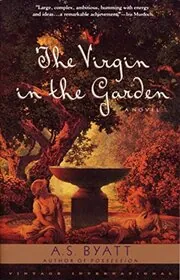
The Virgin in the Garden
by AS Byatt
1978
Set around the 1953 coronation, this first Frederica novel follows the Potter family in Yorkshire as art, desire, religion, and ambition collide. Frederica's fierce intelligence and longing for a larger life drive the book's restless energy.

Still Life
by AS Byatt
1985
In the 1950s, the Potter siblings move deeper into adult life as Frederica heads to Cambridge, Stephanie wrestles with marriage and motherhood, and Marcus struggles toward recovery. Art, grief, and ambition press against the limits of ordinary domestic life.

Babel Tower
by AS Byatt
1996
After fleeing her violent husband, Frederica Potter tries to build an independent life in 1960s London. Her divorce case and an obscenity trial around Jude Mason's shocking novel pull private struggle and public argument into the same courtroom.
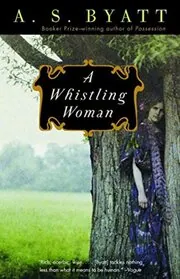
A Whistling Woman
by AS Byatt
2002
Frederica Potter lands a television job as Britain hurtles through the late 1960s. Around her, an anti-university, a mind-body conference, and a cultish community turn public argument into something far more unstable.
The Frederica Quartet books in chronological order
Series background & context
The Frederica Quartet is A.S. Byatt's four-book sequence about the Potter family, especially Frederica Potter, and it works best read in order: The Virgin in the Garden, Still Life, Babel Tower, and A Whistling Woman. Across those books, Byatt tracks the movement from postwar England into the cultural shocks and arguments of the 1960s.
It begins in Yorkshire in 1953, with the Coronation in the air and a local play about Elizabeth I drawing together teachers, students, parents, and would-be intellectuals. From there the series widens outward to Cambridge, London, television studios, courtrooms, art schools, and universities. Place matters a lot here. Each setting carries its own rules about class, sex, work, and what kind of mind is allowed to speak.
This is Frederica's series, but never only Frederica's.
Frederica is brilliant, argumentative, funny, vain, hungry, and often a bit reckless. She wants knowledge, sex, work, freedom, and a life larger than the one expected of her. Around her are her sister Stephanie, who takes a more domestic path and pays close attention to its costs, and their brother Marcus, whose fragility and fierce intelligence give the quartet some of its strangest and saddest moments. Byatt keeps the whole family in play, so the books feel less like one heroine's march forward and more like a web of minds and temperaments rubbing against one another.
Each volume shifts the pressure. The Virgin in the Garden is a coming-of-age novel full of theatrical energy and clashing beliefs. Still Life moves into university and early adult life, asking how art, thought, marriage, and motherhood fit together, if they do at all. Babel Tower throws Frederica into an ugly marriage, a fight for independence, and a public argument about obscenity and freedom. A Whistling Woman lands in the late 1960s, where television, radical politics, psychology, religion, and anti-institutional experiment all start colliding.
What links the quartet is not a single mystery or quest but a continuing argument about how to live. The books return again and again to women and work, the body and the mind, science and faith, sex and power, and the gap between private longing and public language. They are historical novels, but not museum pieces. They are alive with debate, jokes, emotional damage, and people trying to reinvent themselves in a country that is changing faster than they can keep up with.
It gets bigger as it goes.
If you come to the quartet wanting fast plot above all else, it may feel demanding. If you like large family novels, exact social detail, and characters who think as intensely as they feel, it has a lot to give. Frederica may be the spark at the center, but the real pleasure is watching Byatt build an entire world around her.













Edited by
Software engineer whose passion for tracking book recommendations from podcasts inspired the creation of MRB.
Lead investor at 3one4 Capital whose startup expertise and love for books helped shape MRB and its growth.
Comments
Did we miss something? Have feedback?
Help us improve this page by sharing your thoughts