
The Dagger and the Coin Books in Order
Part ofDaniel Abraham Books in OrderExplore The Dagger and the Coin series by Daniel Abraham in order, with book summaries, background, reading help, and where to begin.
Last updated:
As an Amazon Associate, we earn from qualifying purchases (at no extra cost to you).
This series has 1 recommender.

The Dagger and the Coin books in publication order
5 books
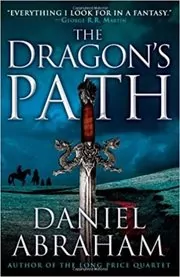
The Dragon's Path
by Daniel Abraham
2011
As war reaches the free city of Vanai, a young bank ward, a scarred soldier, a nobleman, and an overlooked scholar are swept into the same crisis. Their choices open a path toward conquest, fear, and ancient danger.
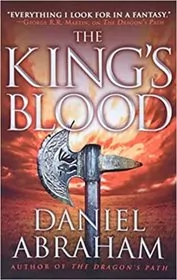
The King's Blood
by Daniel Abraham
2012
Geder Palliako rises at the Antean court while banker Cithrin bel Sarcour finds herself trapped by the power she helped build. An apostate priest and a broken soldier uncover a buried threat tied to the vanished dragon empire.
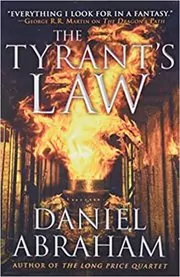
The Tyrant's Law
by Daniel Abraham
2013
Lord Regent Geder Palliako expands his war in the name of peace, leaving devastation behind him. Cithrin, Clara, and Marcus each work against his rule, while an ancient secret may offer the only way to change the conflict.
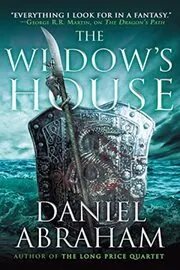
The Widow's House
by Daniel Abraham
2014
Geder's victories give him more power, but not the loyalty he wants most. As Clara faces the collapse of her family and Cithrin and Marcus uncover the war's ancient roots, saving the world may require Cithrin to rule it.

The Spider's War
by Daniel Abraham
2016
Geder's empire begins to fracture even as its armies keep conquering. Cithrin, Marcus, and Clara must attempt an impossible peace, using traitors, old dragon knowledge, and a financial plan that could save the world or destroy it.
The Dagger and the Coin books in chronological order
Series background & context
The Dagger and the Coin is Daniel Abraham's five-book epic fantasy about war, money, fear, and the people who discover that power is rarely held by the most qualified person. It begins with The Dragon's Path, as the city of Vanai falls and several lives are pushed onto paths they did not choose.
The title tells you what matters here.
The dagger is force, military power, and the threat of violence. The coin is trade, banking, debt, and the quieter ways a person can reshape a country. Abraham gives both equal weight. A battle can change a border, but a bank run, a rumor, or a supply line can change what happens after the army leaves.
The story moves among several central characters. Cithrin bel Sarcour is a young bank ward who becomes a gifted and increasingly independent financier. Marcus Wester is an aging soldier trying to live with old losses and do right by the people beside him. Clara Kalliam is a noblewoman whose clear view of court politics becomes vital. Geder Palliako begins as an overlooked, bookish nobleman and rises into a terrifying position of authority.
Their world has thirteen human and near-human races, old dragon ruins, and very little casual magic. The real threat comes from a revived religious movement built around the spider goddess and from the fear that lets cruel ideas become policy. As Geder's empire expands, the series asks how ordinary institutions can help violence spread, and how resistance has to work when the enemy controls armies, information, and money.
The tone is serious but not joyless. There are sieges, assassinations, conspiracy, and ancient secrets, but also business negotiations, marriages, family problems, and people trying to keep their friends alive. Abraham takes time with consequences. A decision that looks clever in one book may become a burden in the next.
No one gets to stay safely outside the conflict.
Read the novels in order: The Dragon's Path, The King's Blood, The Tyrant's Law, The Widow's House, and The Spider's War. It is a finished story, and the final book brings the political, financial, and supernatural strands together.













Edited by
Software engineer whose passion for tracking book recommendations from podcasts inspired the creation of MRB.
Lead investor at 3one4 Capital whose startup expertise and love for books helped shape MRB and its growth.
Comments
Did we miss something? Have feedback?
Help us improve this page by sharing your thoughts