
The Belltree Trilogy Books in Order
Part ofBarry Maitland Books in OrderSee The Belltree Trilogy by Barry Maitland in order, with short summaries, series background, and a quick guide to where to start with Harry Belltree.
Last updated:
As an Amazon Associate, we earn from qualifying purchases (at no extra cost to you).
The Belltree Trilogy books in publication order
3 books
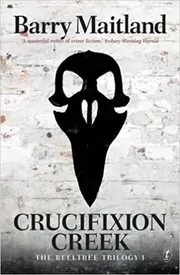
Crucifixion Creek
by Barry Maitland
2014
Sydney homicide detective Harry Belltree is juggling a siege shooting, a public suicide, and a street stabbing when the dead man turns out to be family. With reporter Kelly Pool asking sharp questions, separate crimes begin to look connected.
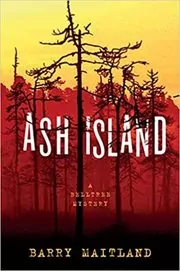
Ash Island
by Barry Maitland
2015
After nearly being killed by a corrupt colleague, Harry is shipped off to Newcastle for a quieter post. Instead he finds a body on Ash Island and fresh clues to the crash that killed his parents and blinded his wife.

Slaughter Park
by Barry Maitland
2017
Harry Belltree has already lost his job, his marriage, and almost everything else when his estranged wife vanishes. As body parts surface in a suburban park and police look the wrong way, Harry has to find her alone.
The Belltree Trilogy books in chronological order
Series background & context
The Belltree Trilogy shifts Barry Maitland from London procedure to Australian crime with rougher edges. The central figure is Sydney homicide detective Harry Belltree, a good investigator with a damaged personal life and a stubborn habit of pulling at threads that other people would rather leave alone. In Crucifixion Creek he is trying to make sense of several violent or suspicious deaths when one victim turns out to be his own brother-in-law. That shock opens a much bigger story.
This series moves faster and hits harder.
Under Harry's casework sits an older wound. He believes the car crash that killed his parents and blinded his wife Jenny was no accident, and that suspicion keeps shaping the choices he makes. The books follow current investigations, but they also track Harry's growing sense that family tragedy, police corruption, corporate power, and political influence may all connect. That gives the trilogy an ongoing drive that carries from one book to the next.
The setting matters a lot. Crucifixion Creek begins in Sydney, with sieges, bikie violence, and the pressure of city policing. Ash Island pushes Harry north to Newcastle, where the industrial harbour, wetlands, and old local ties create a very different mood. By Slaughter Park, Maitland is using suburban parks, back roads, and neglected corners of New South Wales to show how public places can hide private terror. These books feel Australian in their weather, distance, and institutions.
Harry is never on stable ground for long.
He is not alone, though. Jenny is more than the wounded wife waiting offstage, and crime reporter Kelly Pool becomes one of the series' most useful lenses. Kelly is sharp, skeptical, and willing to keep asking questions after the police would prefer a neat answer. Maitland tells the trilogy through different points of view, which helps the story feel bigger than a single detective's struggle. Harry sees one set of dangers, Jenny another, and Kelly often spots the public story forming around the private one.
The tone is darker and more morally tangled than the Brock and Kolla books. Harry works inside the system, but he keeps running into the system's limits, and sometimes its rot. There are still solid procedural pleasures here, interviews, follow-ups, sudden links between cases, but the trilogy leans harder into momentum, damaged loyalties, and personal risk. If you like crime novels where the investigation keeps getting more complicated, and where the hero has to pay for every answer, this is the Maitland series to pick up after Bright Air or the London books.








Edited by
Software engineer whose passion for tracking book recommendations from podcasts inspired the creation of MRB.
Lead investor at 3one4 Capital whose startup expertise and love for books helped shape MRB and its growth.
Comments
Did we miss something? Have feedback?
Help us improve this page by sharing your thoughts