
Tausrat Books in Order
Part ofConstance O'Banyon Books in OrderSee the Tausrat books in order by Constance O'Banyon, with short summaries, series background, and a simple guide to where new readers should start.
Last updated:
As an Amazon Associate, we earn from qualifying purchases (at no extra cost to you).
Tausrat books in publication order
4 books
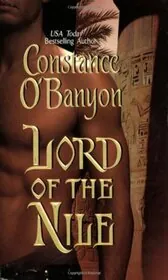
Lord of the Nile
by Constance O'Banyon
2007
In ancient Alexandria, Lord Ramtat is drawn to a fearless young woman marked by mystery and a cobra charm. Their romance unfolds amid political danger, hidden identity, and the shifting power of Egypt and Rome.
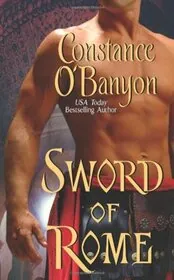
Sword of Rome
by Constance O'Banyon
2007
Bold and restless Adhania leaves the desert for Cleopatra's world and then for Rome, where scandal and intrigue are everyday threats. Roman tribune Marcellus is captivated by her spirit, but their attraction comes with real danger.
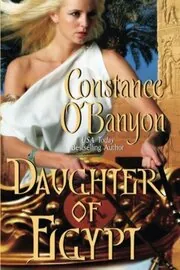
Daughter of Egypt
by Constance O'Banyon
2008
Thalia rises from hard beginnings to a life touched by privilege, only to learn that her past is far from settled. In Egypt, hidden birthright, danger, and the determined Count Ashtyn reshape her future.
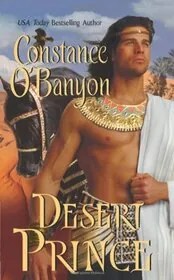
Desert Prince
by Constance O'Banyon
2008
Exiled prince Julian Tausrat returns to a Roman-controlled world determined to reclaim his homeland and his future. The woman he once knew, Sabinah, now holds secrets that could save Egypt or destroy them both.
Tausrat books in chronological order
Series background & context
The Tausrat books are Constance O'Banyon's ancient-world romances, and they read like old-school adventure stories dressed in silk, sand, and political danger. The setting moves between Egypt, Rome, the desert, and the sea, so the books have a bigger canvas than many of her frontier novels. Love matters in every volume, but so do power, lineage, and the question of who belongs where.
The series opens with Lord of the Nile, where Lord Ramtat is pulled toward a fierce young woman in Alexandria whose past is harder to read than it first seems. That book sets the pattern for the whole saga. A couple meets in the middle of unrest, attraction sparks quickly, and then identity, family secrets, and political pressures begin closing in. Egypt is not just wallpaper here. Ports, palaces, desert travel, and shifting rule all shape the story.
Sword of Rome widens the world. Adhania leaves the desert for Cleopatra's court and then for Rome, carrying her bold streak straight into a city built on spectacle, ambition, and danger. The romance with Marcellus works because the book keeps rubbing two worlds together, Egyptian freedom on one side, Roman order on the other. That tension keeps turning up across the series.
Then Daughter of Egypt and Desert Prince lean harder into lost heritage and the long reach of old dynasties. Thalia's story begins from uncertainty and grows into something much larger, while Julian Tausrat's book picks up the idea of exile, return, and birthright. By that point the series feels less like a string of separate romances and more like a family saga. People rescued in one book matter later. Old loyalties keep echoing. So do old enemies.
What ties these books together is the mix of romance and inheritance. These are stories about people who fall in love while kingdoms shift, rulers fall, and hidden bloodlines come back into view. The stakes are often personal and political at the same time. A marriage can change a household, but it can also change who claims land, power, or safety.
If you want O'Banyon at her most exotic and wide-screen, this is the series to try. The tone is sweeping, dramatic, and a little larger than life. Expect desert escapes, ships, royal complications, and couples who have to trust each other fast or lose everything.











Edited by
Software engineer whose passion for tracking book recommendations from podcasts inspired the creation of MRB.
Lead investor at 3one4 Capital whose startup expertise and love for books helped shape MRB and its growth.
Comments
Did we miss something? Have feedback?
Help us improve this page by sharing your thoughts