
Taj Mahal Trilogy Books in Order
Part ofIndu Sundaresan Books in OrderSee the Taj Mahal Trilogy by Indu Sundaresan in order, with book summaries, series background, reading order, and a quick guide to where to start.
Last updated:
As an Amazon Associate, we earn from qualifying purchases (at no extra cost to you).
Taj Mahal Trilogy books in publication order
3 books
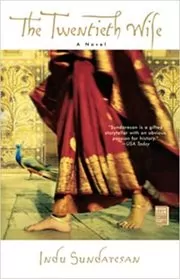
The Twentieth Wife
by Indu Sundaresan
2002
Born to Persian refugees, Mehrunnisa grows up near Akbar's court with fierce ambition and a dangerous dream: to marry Prince Salim. Her rise through love, loss, and palace politics launches a sweeping story about power in Mughal India.
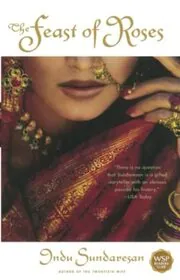
The Feast of Roses
by Indu Sundaresan
2003
Now Jahangir's twentieth and last wife, Mehrunnisa enters the imperial harem and finds that love brings power, enemies, and constant scrutiny. To keep her place, she must outmaneuver rivals at court and inside the zenana.
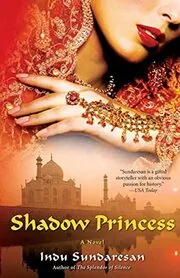
Shadow Princess
by Indu Sundaresan
2010
After Mumtaz Mahal dies, Princess Jahanara moves to the center of Mughal court life while her sister Roshanara becomes a bitter rival. Their struggle over power, loyalty, and succession unfolds in the long shadow of the Taj Mahal.
Taj Mahal Trilogy books in chronological order
Series background & context
The Taj Mahal Trilogy is Indu Sundaresan's long look at Mughal India, but it never reads like a dry march through dates and emperors. At its center are women inside the royal household, women whose choices matter even when official power belongs to men. The books move from the late sixteenth century into the seventeenth, and while each novel has its own arc, they make the most sense in order because family loyalties and political tensions carry forward from one book to the next.
The Twentieth Wife begins with Mehrunnisa, born to Persian refugees on the road to India. She grows up near the Mughal court and learns early that beauty alone will not protect her or get her what she wants. The book follows her through youth, marriage, loss, and her eventual connection to Prince Salim, later Emperor Jahangir. It is partly a love story, but just as much a story about ambition, patience, and learning how power actually works behind the walls of the palace.
Court life is the real battlefield here.
In The Feast of Roses, Mehrunnisa is no longer a girl dreaming at the edge of the empire. She enters Jahangir's harem as his twentieth and last wife, and love quickly becomes tangled with danger. Ministers fear her influence. Other women in the harem see her as a threat. She has to secure her place through intelligence, timing, and family alliances, especially with her father, brother, and stepchildren. This middle book leans hardest into the mechanics of court politics, showing how authority can be exercised from behind a screen as effectively as from a throne.
Shadow Princess shifts to the next generation and widens the family drama. After Mumtaz Mahal dies, her daughter Jahanara is pulled into the center of her father's court and becomes a crucial figure in the imperial household. Her sister Roshanara becomes her sharpest rival, and their private conflict is tied to the future of the empire as different brothers emerge as possible heirs. The Taj Mahal hangs over the novel as grief, memory, and political symbol, which gives the trilogy its title and much of its emotional weight.
What makes the trilogy stand out is its angle. These are royal novels, but they are not mainly about battles or speeches. Sundaresan spends more time on inner rooms, family bargains, ceremonies, marriages, mothers and daughters, and the hidden levers of influence. The setting is rich with architecture, clothes, food, travel, and court ritual, yet the books stay grounded in intimate questions: who gets heard, who gets ignored, and what it costs to want more than your world thinks you should.
Expect sweeping historical fiction, but not distant history. Romance matters, but so do succession fights, faith, kinship, and the strict rules of the zenana. If you come for the Taj Mahal, you will get that world. You will also get the women whose lives, desires, and rivalries stand behind the monument.













Edited by
Software engineer whose passion for tracking book recommendations from podcasts inspired the creation of MRB.
Lead investor at 3one4 Capital whose startup expertise and love for books helped shape MRB and its growth.
Comments
Did we miss something? Have feedback?
Help us improve this page by sharing your thoughts