
T.S. Eliot Books in Order
Explore T.S. Eliot books in order, with short summaries and a guide to the series and standalone titles to help you choose where to start reading.
Last updated: 40 new books added
As an Amazon Associate, we earn from qualifying purchases (at no extra cost to you).
T.S. Eliot books in publication order
40 books
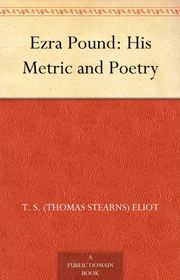
Ezra Pound
by T. S. Eliot
1918
Eliot surveys ten years of Ezra Pound's poetry, addressing readers who admire individual poems but have yet to follow the larger body of work. He challenges easy dismissals of Pound and seeks a fuller appreciation of his writing.
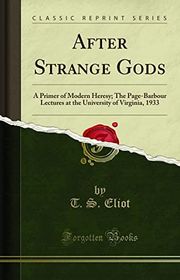
After Strange Gods
by T. S. Eliot
1934
In three lectures, Eliot considers the relationship between modern literature, religious orthodoxy, and heresy. Developing concerns from his earlier criticism, he examines how literary judgments are shaped by beliefs about tradition, morality, and cultural authority.
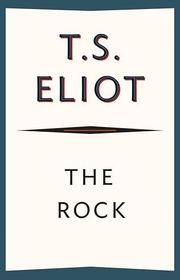
The Rock
by T. S. Eliot
1934
A group of London builders struggle to construct a church, finding parallels between their difficulties and earlier efforts to serve God. Dramatic scenes and choruses consider faith, community and the place of religious life in the modern city.
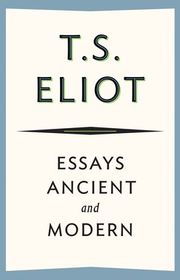
Essays Ancient and Modern
by T. S. Eliot
1936
Eliot examines writers past and present while considering religion's place in a secular society. Essays on figures such as Baudelaire and Pascal accompany reflections on humanism, international order, and the continuing role of classical learning in education.
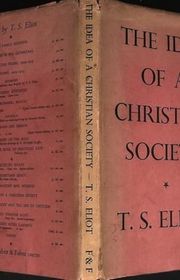
Idea of a Christian Society
by T. S. Eliot
1939
Eliot asks how Christian values might shape public life, turning religious thought toward political and economic criticism. These three lectures consider whether Christianity can coexist with Western democracy and capitalism, and what such a relationship would require.
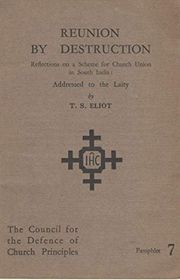
Reunion By Destruction
by T. S. Eliot
1943
Eliot challenges a proposed union of churches in South India, arguing that agreement without shared convictions would weaken the church. Addressed to lay readers, this pamphlet focuses on episcopacy and the doctrinal costs of institutional unity.
What is a classic?
by T. S. Eliot
1945
Addressing the Virgil Society, Eliot asks what makes a literary work a classic. He connects that achievement to the maturity of a writer, a language, and a civilization, exploring the cultural conditions behind lasting literary authority.
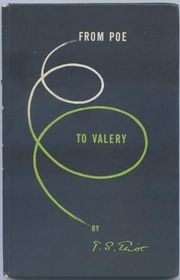
From Poe to Valery
by T. S. Eliot
1948
Eliot traces Edgar Allan Poe's influence on French poets, especially Baudelaire and Valery. He examines ideas about poetic composition and the poem's purpose, asking how Poe's critical theories developed through readers whose language and literary traditions differed from his own.
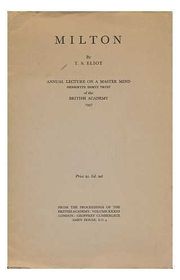
Milton
by T. S. Eliot
1948
Eliot revisits his judgments of Milton's verse, examining its sound, language and influence on later writers. This lecture qualifies earlier objections and considers what contemporary poets can learn from Milton while recognizing the particular demands of Paradise Lost.

Notes Towards the Definition of Culture
by T. S. Eliot
1948
Eliot examines the meanings of culture and the conditions that allow it to flourish. Treating ordinary customs and interests alongside the arts, he considers how the life of a people gives the word its broader significance.
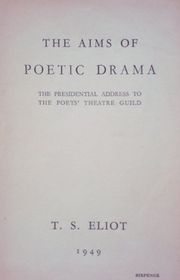
The Aims of Poetic Drama
by T. S. Eliot
1949
Eliot considers how poetry can work in the theatre, exploring the relationship between verse and dramatic performance. This short lecture examines the possibilities and difficulties of poetic drama, a form he was also developing in his own plays.
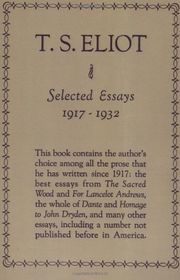
Selected Essays
by T. S. Eliot
1950
Eliot explores how poetry works, how criticism should judge it, and how writers relate to literary tradition. Essays on major European authors accompany influential arguments about poetic impersonality, the expression of emotion, and changes in poetic sensibility.
Poetry and Drama
by T. S. Eliot
1951
Eliot examines how poetry serves the theater and how dramatic demands reshape poetic language. Drawing on his own plays, including Murder in the Cathedral and The Family Reunion, he considers the practical problems of writing verse for performance.

An Address to Members of the London Library
by T. S. Eliot
1952
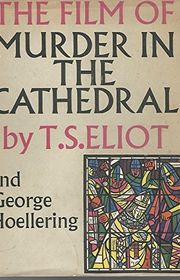
The Film of Murder in The Cathedral
by T. S. Eliot
1952
This illustrated film version follows Thomas Becket's confrontation with royal power and his return to Canterbury before his murder. Eliot and filmmaker George Hoellering reshape the stage drama for the screen, incorporating new scenes into its account of spiritual conflict.
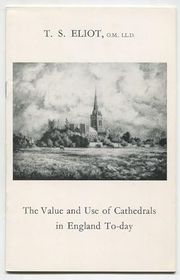
The Value and Use of Cathedrals in England To-Day
by T. S. Eliot
1952
Eliot considers the purpose of English cathedrals beyond their value as historic buildings. Addressing the Friends of Chichester Cathedral, he asks how preservation relates to the continuing religious life that gives these buildings their place in society.

American Literature and the American Language
by T. S. Eliot
1953
Religious Drama: Mediaeval and Modern
by T. S. Eliot
1954
Eliot reflects on the purpose and value of religious drama, considering both medieval and modern examples. Delivered after Murder in the Cathedral, the address explores the relationship between theatrical expression and religious belief across different periods.
The Three Voices of Poetry
by T. S. Eliot
1954
Eliot distinguishes poetry spoken to oneself, poetry addressed to an audience, and poetry voiced through a dramatic character. He considers how these voices overlap within individual poems and asks readers to recognize the different purposes they serve.
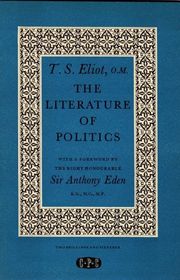
The Literature of Politics
by T. S. Eliot
1955
Eliot examines the relationship between political ideas and literary expression through writers including Burke, Coleridge and Disraeli. He considers how a political tradition can maintain its principles while allowing practical judgment to guide responses to changing circumstances.
Essays On Elizabethan Drama
by T. S. Eliot
1956
Eliot examines the dramatists of the English Renaissance, tracing the influence of Seneca and the development of dramatic verse. Essays on Marlowe, Jonson, Middleton and others explore how language, moral vision and theatrical form shape their work.
On Poetry And Poets
by T. S. Eliot
1957
These essays consider the purposes, forms and music of poetry alongside studies of individual writers. Moving from Virgil and Milton to Goethe and Yeats, Eliot reflects on poetic creation, dramatic language and the responsibilities and limits of criticism.
Geoffrey Faber, 1889-1961
by T. S. Eliot
1961
Eliot's memorial address remembers Geoffrey Faber, the publisher who helped establish the firm that became Faber and Faber. The tribute preserves his response to the death of a colleague closely connected with his literary and professional life.
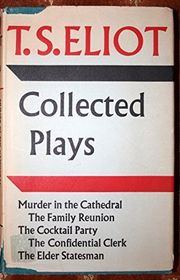
Collected Plays
by T. S. Eliot
1962
Five verse plays explore spiritual responsibility through martyrdom, family tensions and the pressures of social life. From Thomas Becket's conflict in Canterbury to modern drawing rooms, Eliot uses theatrical relationships to examine guilt, vocation and personal transformation.
George Herbert
by T. S. Eliot
1962
Eliot considers George Herbert's life and poetry, examining the religious verse collected in The Temple. His study places Herbert's achievement beside that of John Donne and explores the relationship between the poet's circumstances and his writing.
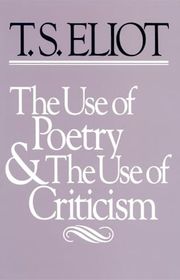
The Use of Poetry and the Use of Criticism
by T. S. Eliot
1964
In lectures on English poetry and criticism, Eliot follows changing ideas about literary value from the Renaissance to the modern period. Discussions of Dryden, the Romantic poets and Matthew Arnold ask how critical judgment relates to the making of poetry.

To Criticize the Critic and Other Writings
by T. S. Eliot
1965
Essays and lectures spanning much of Eliot's career examine criticism, education and the writers who shaped his thinking. Reflections on Dante, Pound, literary politics and poetic language connect judgments about literature with broader questions of cultural responsibility.
Elizabethan Essays
by T. S. Eliot
1969
Eliot reconsiders Elizabethan and Jacobean drama through essays on Shakespeare and his contemporaries. Examining writers including Marlowe, Jonson and Massinger, he challenges inherited critical judgments and investigates how poetic language and theatrical construction create dramatic power.
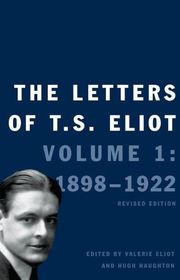
The Letters of T.S. Eliot: Volume 1
by T. S. Eliot
1988
Letters trace Eliot's journey from childhood in St. Louis to his literary life in England and the publication of The Waste Land. Personal and professional correspondence reveals changing relationships, financial pressures and the development of his early career.
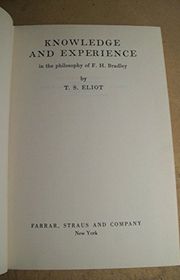
Knowledge and Experience in the Philosophy of F.H. Bradley
by T. S. Eliot
1989
Originally written as Eliot's doctoral dissertation, this study examines the idealist philosophy of F. H. Bradley. It approaches Bradley sympathetically while questioning aspects of his account of knowledge and experience, revealing Eliot's early engagement with philosophical problems.
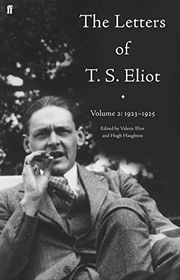
The Letters of T. S. Eliot Volume 2
by T. S. Eliot
2009
Eliot's correspondence charts the demanding early years of editing The Criterion and his movement from banking into publishing. Letters record the appearance of The Hollow Men, developing religious convictions and the relationships behind his growing literary influence.
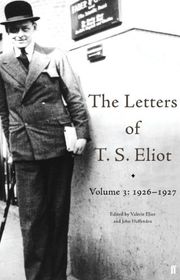
The Letters of T. S. Eliot Volume 3
by T. S. Eliot
2012
These letters document Eliot's increasingly demanding work as poet, critic, editor and publisher in the late 1920s. Exchanges with friends and colleagues reveal private anxieties alongside the professional and spiritual changes shaping his public reputation.
The Letters of T. S. Eliot: Volume 4
by T. S. Eliot
2013
Letters from 1928 and 1929 reveal Eliot balancing his wife's needs with growing responsibilities as editor and publisher. Correspondence with writers across Europe and America documents his support for literary contemporaries, the survival of The Criterion and his own writing.
The Letters of T. S. Eliot: Volume 5
by T. S. Eliot
2014
Eliot's correspondence from 1930 and 1931 follows his deepening Anglican commitment, an increasingly troubled marriage and continuing literary work. Letters to fellow writers and publishing colleagues show personal, spiritual and professional demands converging during a period of change.

The Letters of T. S. Eliot: Volume 6
by T. S. Eliot
2016
Written during 1932 and 1933, many of these letters follow Eliot's travels through Depression-era America and encounters with other writers. They also document his decision to separate from his wife, linking renewed personal freedom with a changing literary life.
The Letters of T. S. Eliot: Volume 7
by T. S. Eliot
2017
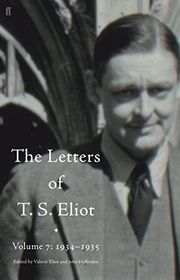
These letters follow Eliot's development as a dramatist through The Rock and Murder in the Cathedral. Publishing duties, church commitments and the difficulties surrounding his marital separation reveal the competing demands on his public work and private life in 1934 and 1935.
The Poems of T. S. Eliot
by T. S. Eliot
2018
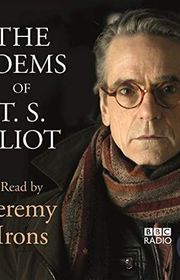
This collection brings together Eliot's major poems with early and previously uncollected verse. Restored texts and detailed commentary trace the development of his writing, from Prufrock and The Waste Land to the meditations of Four Quartets.
The Letters of T. S. Eliot: Volume 8
by T. S. Eliot
2019
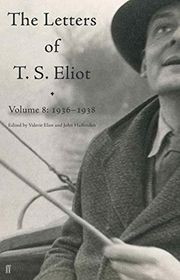
Correspondence from 1936 to 1938 shows Eliot becoming an increasingly public literary figure while maintaining friendships and publishing responsibilities. Letters also document his wife's institutionalization, the creation of cat poems for his godchildren and his struggle to complete The Family Reunion.

The Letters of T. S. Eliot: Volume 9
by T. S. Eliot
2021
Eliot's letters from 1939 to 1941 connect the creation of Four Quartets with publishing, public talks and wartime responsibilities. Correspondence with fellow writers reveals literary friendships and new commitments as blackout fire-watching and national upheaval reshape his daily life.
The Sacred Wood and Major Early Essays
by T. S. Eliot
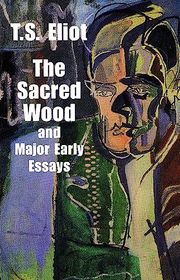
Eliot considers poetry, drama, and the work of literary criticism through essays on writers including Dante, Shakespeare, and Blake. This collection brings together The Sacred Wood with four additional early essays, tracing ideas that shaped his critical reputation.
T.S. Eliot sub-series and character series
The Letters of T.S. Eliot books in order
Explore this seriesStandalone T.S. Eliot books






Edited by
Software engineer whose passion for tracking book recommendations from podcasts inspired the creation of MRB.
Lead investor at 3one4 Capital whose startup expertise and love for books helped shape MRB and its growth.
Comments
Spotted a missing book, a wrong order or a mistake? Tell us and we'll fix this page.
We're a reading guide, not the author or publisher, so we can't send books or pass on messages.