
Storytellers Books in Order
Part ofFrank Delaney Books in OrderExplore the Storytellers series by Frank Delaney in order, with quick summaries, series background, reading order, and where to start.
Last updated:
As an Amazon Associate, we earn from qualifying purchases (at no extra cost to you).
Storytellers books in publication order
4 books
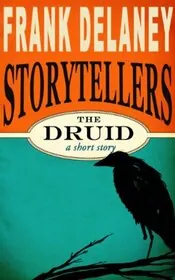
The Druid
by Frank Delaney
2011
A sly druid with more cunning than magic tries to win a beautiful young woman's hand. This short tale is playful, sharp, and shaped like an old fireside story.
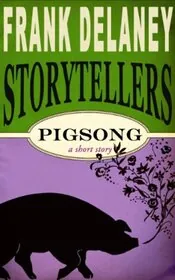
Pigsong
by Frank Delaney
2012
A singing pig sets this short Irish tale in motion, and the result is stranger than the setup suggests. Delaney uses the oddness to explore language, belief, and the magic of really listening.

The Girl Who Lived on The Moon
by Frank Delaney
2012
A girl leaves the moon on a moonbeam and brings wonder, comfort, and odd wisdom to the world below. It is a brief, dreamy tale that feels as if it was meant to be heard by a fire.
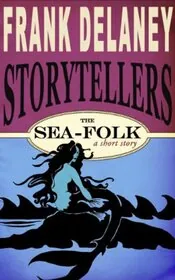
The Sea-Folk
by Frank Delaney
2012
Two siblings are drawn toward the western sea and the old stories that live there, including seals, mermaids, and Hy-Brasil. It is a compact tale of coastal danger, wonder, and belief.
Storytellers books in chronological order
Series background & context
Frank Delaney's Storytellers books are short pieces built to echo the old oral tradition he loved so much. They are not miniature chapters from a bigger plot. Each one stands on its own, but together they feel like a small shelf of fireside tales, strange, musical, and slightly mischievous.
The opening story, The Druid, sets the tone right away. Its central figure is not a noble sage but a rogue, a man who uses borrowed mystery and quick intelligence to sway the people around him. Delaney has fun with the trickster energy, but he also uses the tale to remind readers what druids and storytellers meant in older Irish life: keepers of memory, makers of belief, and, now and then, opportunists.
Then the series turns dreamier. The Girl Who Lived on The Moon begins with a fairy tale image and follows it all the way into wonder. It has the calm, floating logic of a bedtime story, where a moonbeam can become a road and a simple question can open into something larger. Pigsong takes an even stranger premise, a pig that can sing, and uses it to play with language, listening, and the odd border between nonsense and wisdom.
These are small stories, but not slight.
The Sea-Folk leans hardest into the western coastline that runs through so much of Delaney's work. The sea in this story is not just scenery. It is a living border between the known world and the older one beneath it, the place of seals, mermaids, and the half-believed island of Hy-Brasil. That coastal pull gives the whole series a slightly tidal feeling. Things arrive from far away, disturb ordinary life, and then slip back out again.
What links the books most strongly is voice. Delaney writes them as if someone clever and warm has pulled up a chair and started talking. There is rhythm in the openings, repetition where it helps, and the sense that the teller knows when to pause for a laugh or a shiver. Even when the stories get whimsical, there is usually a quiet human question underneath, about love, pride, vanity, belief, or the need to be heard.
So this series is best approached less as plot machinery and more as an experience. Read the stories when you want something quick but memorable, or when you want to hear how Delaney thought a tale should sound before it was pinned down on the page. They are light on length, rich in atmosphere, and very close to the fireside tradition that shaped his longer fiction.










Edited by
Software engineer whose passion for tracking book recommendations from podcasts inspired the creation of MRB.
Lead investor at 3one4 Capital whose startup expertise and love for books helped shape MRB and its growth.
Comments
Did we miss something? Have feedback?
Help us improve this page by sharing your thoughts