
Frank Delaney Books in Order
Browse Frank Delaney books in order, with quick summaries, series background, reading order, and help choosing where to start with his Irish fiction and nonfiction.
Last updated:
As an Amazon Associate, we earn from qualifying purchases (at no extra cost to you).
Frank Delaney books in publication order
30 books
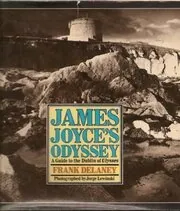
James Joyce's Odyssey
by Frank Delaney
1981
Delaney turns Ulysses into a guided walk through Dublin, explaining the city's streets, the novel's characters, and its Homeric echoes. It is a practical, enthusiastic companion for readers who want help without homework.
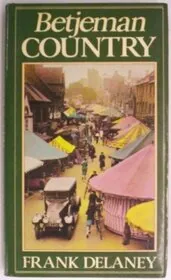
Betjeman Country
by Frank Delaney
1983
Part literary travel book and part portrait of John Betjeman, this volume follows the places that shaped the poet's eye. Delaney uses landscape, architecture, and memory to show the England Betjeman loved.
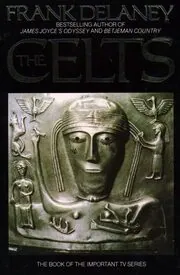
The Celts
by Frank Delaney
1986
Written alongside his television series, this book traces the origins, growth, and legacy of Celtic culture. Delaney ranges across history, literature, myth, and art in a broad, reader friendly survey.
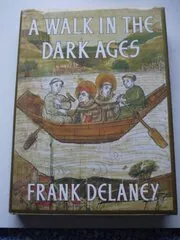
A Walk In The Dark Ages
by Frank Delaney
1988
Delaney revisits early medieval Europe and challenges the idea that the Dark Ages were simply blank centuries. He treats the period as a world of movement, belief, and survival, told with a guide's sense of story.
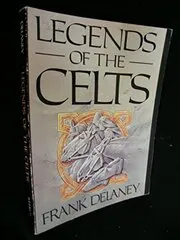
Legends of the Celts
by Frank Delaney
1989
This collection retells Irish and Welsh legends in clear, approachable prose. Delaney keeps the old stories moving, from heroic battles to tragic love stories, without losing their strangeness.
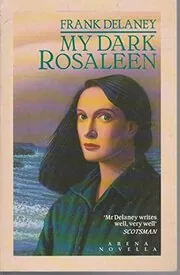
My Dark Rosaleen
by Frank Delaney
1990
A bank cashier gives a lift to a young girl and then an enigmatic old man, and those chance encounters spiral into a national scandal. Delaney turns the setup into a tense story of obsession, paranoia, and unraveling sanity.
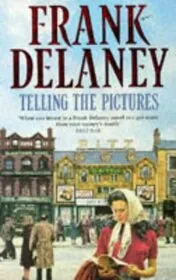
Telling the Pictures
by Frank Delaney
1993
In wartime Belfast, mill girl Belle McKnight dazzles her coworkers by retelling the films she has seen. Her gift for story collides with suspicion, class pressure, and betrayal in a city marked by conflict.
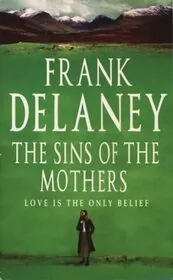
The Sins of the Mothers
by Frank Delaney
1993
In 1925, Ellen Morris takes a teaching post in a rural Irish village and finds herself caught between desire, violence, and the demands of church and community. It is a dark village drama with fierce emotional stakes.
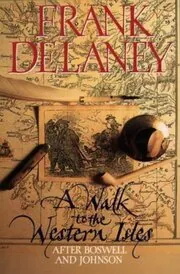
A Walk to the Western Isles
by Frank Delaney
1994
Following the path of Boswell and Johnson, Delaney travels through Scotland's western islands with a reader's eye and a broadcaster's curiosity. It is part literary pilgrimage, part travel book, and part conversation across centuries.
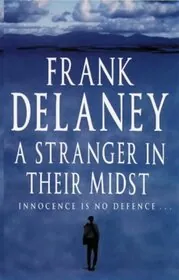
A Stranger in Their Midst
by Frank Delaney
1995
In 1950s Ireland, the Kane sisters seem unprepared for Dennis Sykes, a charming predator with a talent for emotional wreckage. Delaney turns family drama into a study of innocence, seduction, and damage.
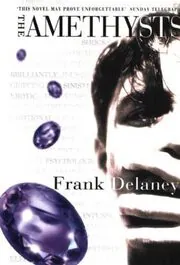
The Amethysts
by Frank Delaney
1997
After the murder of his lover, architect Nicholas Newman is trying to recover in Switzerland when a stranger drags him toward buried Holocaust history. The result is a tense psychological thriller about evil, memory, and survival.
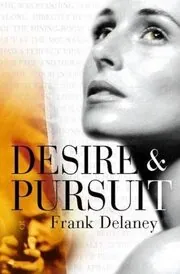
Desire and Pursuit
by Frank Delaney
1998
Journalist Christopher Hunter falls for Ann Halpin at first sight, on the day of her wedding. Told in two voices, the novel turns that obsession into a dark story of love, cruelty, and social tension in modern Ireland.
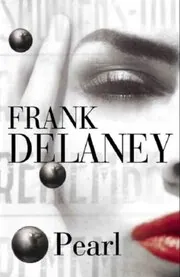
Pearl
by Frank Delaney
1999
Architect Nicholas Newman is drawn into a violent mystery when a football star hires him and a dead friend's bequest points back to wartime crimes. The story links personal grief, neo Nazi violence, and secrets that refuse to stay buried.

Writers of Ireland
by Frank Delaney
1999
Delaney offers an accessible tour through Irish literature and the writers who shaped it. It works as a lively introduction to the books, voices, and traditions behind Ireland's literary reputation.
At Ruby's
by Frank Delaney
2001
An architect's marriage comes under strain as desire, disappointment, and the lure of other possibilities unsettle the life he has built. Delaney treats it as an intimate emotional drama, sharp on the fault lines between love and habit.

The Bell Walk
by Frank Delaney
2003
A reflective novel about marriage, memory, and the hidden pressures inside ordinary lives. Delaney keeps the drama intimate, showing how old wounds and private loyalties can shape the future.
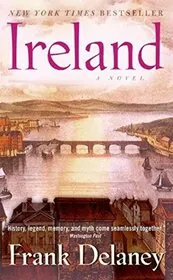
Ireland
by Frank Delaney
2004
As a boy, Ronan O'Mara hears a wandering storyteller and never gets over it. His later search for that seanchai becomes a sweeping journey through Ireland's myths, history, and family secrets.
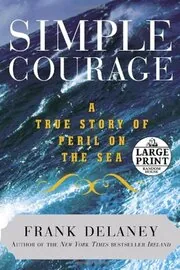
Simple Courage
by Frank Delaney
2006
Delaney recounts the ordeal of the Flying Enterprise and Captain Kurt Carlsen's long fight to save his storm broken ship in 1951. It is a tense true story of seamanship, endurance, and duty.
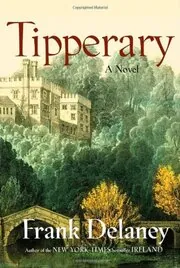
Tipperary
by Frank Delaney
2007
Charles O'Brien, healer, wanderer, and amateur historian, moves through the upheavals that shaped modern Ireland while pursuing the elusive April Burke. It is a big historical novel about land, obsession, and national change.
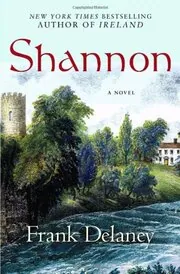
Shannon
by Frank Delaney
2009
In 1922, Marine chaplain Robert Shannon comes to Ireland hoping to recover from war and trace his family roots along the river that shares his name. Instead he finds church corruption, civil war, and a country that might still heal him.
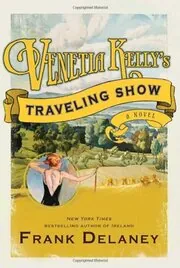
Venetia Kelly's Traveling Show
by Frank Delaney
2010
When Ben MacCarthy's father abandons the family for a traveling show, Ben sets out to find him and bring him home. The search becomes a coming of age journey through performance, politics, and a changing Ireland.
The Druid
by Frank Delaney
2011
A sly druid with more cunning than magic tries to win a beautiful young woman's hand. This short tale is playful, sharp, and shaped like an old fireside story.
The Matchmaker of Kenmare
by Frank Delaney
2011
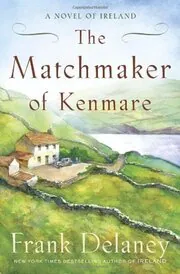
In wartime Ireland, Ben MacCarthy travels to interview the Matchmaker of Kenmare and finds an unexpected ally in Kate Begley. Their friendship leads into espionage, divided loyalties, and a risky journey far beyond the west coast.
Jim Hawkins and the Curse of Treasure Island
by Frank Delaney
2012
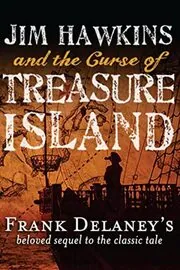
Years after Treasure Island, Jim Hawkins is pulled back into pirate business when a frightened woman asks about one of Flint's marooned men. Old dangers rise again as he chases treasure, secrets, and the shadow of Long John Silver.
Pigsong
by Frank Delaney
2012
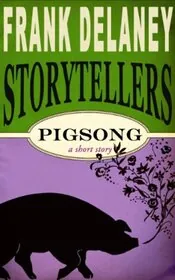
A singing pig sets this short Irish tale in motion, and the result is stranger than the setup suggests. Delaney uses the oddness to explore language, belief, and the magic of really listening.
The Girl Who Lived on The Moon
by Frank Delaney
2012
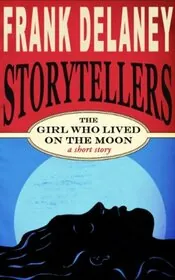
A girl leaves the moon on a moonbeam and brings wonder, comfort, and odd wisdom to the world below. It is a brief, dreamy tale that feels as if it was meant to be heard by a fire.
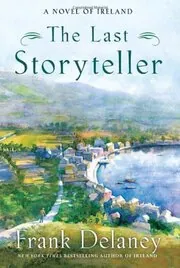
The Last Storyteller
by Frank Delaney
2012
In 1956 Ireland, Ben MacCarthy returns to a country worn down by poverty, unrest, and old grudges. His search for Venetia Kelly pulls him into political danger and toward the deeper question of what stories can save.
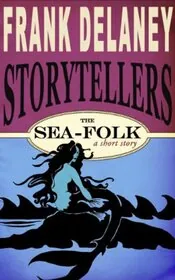
The Sea-Folk
by Frank Delaney
2012
Two siblings are drawn toward the western sea and the old stories that live there, including seals, mermaids, and Hy-Brasil. It is a compact tale of coastal danger, wonder, and belief.
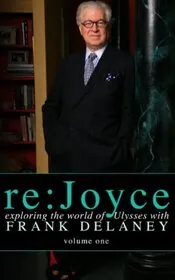
re:Joyce
by Frank Delaney
2013
Built from Delaney's podcast on Ulysses, this book walks readers through Joyce's novel in plain, lively language. He explains the jokes, references, and structure without draining away the pleasure.
Undead
by Frank Delaney
2013
Delaney traces the vampire story from old myth to Bram Stoker's Dracula and beyond. It is a brisk literary history about blood, sex, immortality, and why the undead still hold such power.
Where to start with Frank Delaney
If you want the big Irish sweep: Ireland → Tipperary → Shannon
If you want the later character-led historical novels: Venetia Kelly's Traveling Show → The Matchmaker of Kenmare → The Last Storyteller
If you want folklore and old-style storytelling first: The Druid → The Girl Who Lived on The Moon → Pigsong → The Sea-Folk
If you want nonfiction before the novels: Simple Courage → James Joyce's Odyssey → re:Joyce
Frank Delaney sub-series and character series
Frank Delaney collections, short stories, and related book types
Chapbooks
Non-Fiction
Standalone Frank Delaney books
Author bio
Frank Delaney was born in Thomastown, County Tipperary, on October 24, 1942, the son of two teachers. He grew up in that part of Ireland with language, local memory, and the rhythms of talk all around him, which helps explain why so much of his later work feels spoken as much as written.
Story came early.
Delaney said more than once that he had wanted to be a novelist since childhood, but he took the long road to it. He began in broadcasting with RTÉ, working as a continuity announcer and newsreader, and then moved into reporting for the BBC in Dublin during the years of the Troubles. After several years covering violence and political strain, he moved to London and shifted toward arts and literary broadcasting.
That change mattered. On BBC Radio 4's Bookshelf and later programs, Delaney interviewed thousands of writers over the course of his career. He also created and presented Word of Mouth, the BBC program about language, and made documentaries on literary figures including James Joyce, Robert Graves, and Ernest Hemingway. He had the rare gift of sounding deeply prepared without ever sounding stiff.
He liked making difficult things feel open.
His first book, James Joyce's Odyssey, did exactly that. It offered readers a guide to the Dublin of Ulysses, and it became a bestseller in Britain and Ireland. Joyce remained one of Delaney's lifelong companions. Decades later he returned to him again with re:Joyce, a patient, page by page companion built from his podcast on Ulysses, helping many readers stop being afraid of the novel and start enjoying it.
As a nonfiction writer, Delaney ranged widely. The Celts, written alongside the BBC series he presented, and Legends of the Celts show how much he cared about myth, memory, and the old stories that survive because somebody keeps retelling them. Simple Courage, his book about the storm wrecked freighter Flying Enterprise and its captain Kurt Carlsen, showed another side of him, his taste for documentary detail, public drama, and moral pressure.
His fiction pulled those interests together. Ireland, the book many readers start with, follows a young boy bewitched by a wandering seanchai and opens outward into myth, family history, and the long story of a nation. Tipperary and Shannon keep working that same rich ground, mixing political change with intimate human longing. In Venetia Kelly's Traveling Show, The Matchmaker of Kenmare, and The Last Storyteller, you can see how much he loved performers, folklore collectors, drifters, and people who live by talk.
Again and again, he wrote about Ireland as a place where history never stays politely in the past. Priests, rebels, teachers, healers, actresses, and wanderers fill his books. So do roads, rivers, ruined houses, parish grudges, and chance encounters that grow into full lives. Even when the plots get large, his real subject is often the bond between storytelling and identity.
He spent more than twenty five years in England before moving to the United States in 2002. Later in life he lived in Connecticut with his wife, the writer Diane Meier, while continuing to write, lecture, and record. He was also a judge for the Booker Prize for a time. Delaney died in 2017, at seventy four, but he left behind the pleasant sense that he was still mid-conversation, still halfway through another good story.




Edited by
Software engineer whose passion for tracking book recommendations from podcasts inspired the creation of MRB.
Lead investor at 3one4 Capital whose startup expertise and love for books helped shape MRB and its growth.
Comments
Did we miss something? Have feedback?
Help us improve this page by sharing your thoughts