
Stephen Chbosky Books in Order
Explore Stephen Chbosky's books in order, with quick summaries, a short author bio, and simple guidance on where to start with his fiction.
Last updated:
As an Amazon Associate, we earn from qualifying purchases (at no extra cost to you).
Stephen Chbosky books in publication order
2 books
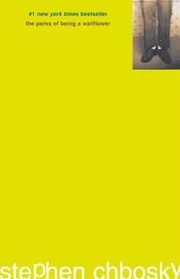
The Perks of Being a Wallflower
by Stephen Chbosky
1999
Charlie writes letters as he stumbles through high school, grief, first love, and unexpected friendship. It's an intimate coming-of-age story about loneliness, belonging, and the hard work of learning how to really participate in life.
Recommended by
2 people Emma Watson recommended this book
Emma Watson
"I read the script first and then I read [this book]." - Emma Watson
Emma Watson's recommendation of this book  Jenn Im recommended this book
Jenn Im
"Has such sentimental value to me." - Jenn Im
Jenn Im's recommendation of this book
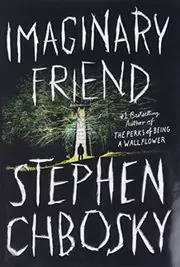
Imaginary Friend
by Stephen Chbosky
2019
After seven-year-old Christopher disappears in the woods and comes back hearing a strange voice, his mother realizes their new town is hiding something dark. What begins as a missing-child mystery grows into a tense, supernatural fight for Christopher and the whole town.
Where to start with Stephen Chbosky
If you want the book that made him famous: The Perks of Being a Wallflower
If you want a darker, bigger read: Imaginary Friend
If you want to read his fiction in order: The Perks of Being a Wallflower → Imaginary Friend
Standalone Stephen Chbosky books
Author bio
Stephen Chbosky was born in Pittsburgh and grew up in Upper St. Clair, just outside the city. That western Pennsylvania background matters, because his work keeps returning to the region, its schools, its neighborhoods, and the feeling of being young and not quite sure where you fit. As a teenager, he read widely, moving between horror, fantasy, and older literary favorites.
Pittsburgh never really left him.
After high school, he went to the University of Southern California and graduated from the Filmic Writing Program in 1992. Around that same period he met Stewart Stern, the screenwriter of Rebel Without a Cause, who became a mentor and close friend. That mix of formal training and personal guidance helped shape the way Chbosky tells stories, emotionally direct, character first, and alert to the awkwardness of growing up.
He started in movies before most readers knew his name. His first feature, The Four Corners of Nowhere, which he wrote, directed, and acted in, premiered at Sundance. He also worked in film and television, including the movie version of Rent and the series Jericho, building a career that moved easily between the page and the screen.
The turning point came in the mid-1990s. While working on a different novel, he found the phrase that led him to Charlie, the lonely, observant narrator of The Perks of Being a Wallflower. Published in 1999, the book uses letters to tell a coming-of-age story about friendship, grief, first love, family pain, and the slow, scary work of stepping into your own life. Readers connected with its openness right away, and it grew into the book most people still know him for.
Then he got the rare chance to adapt it himself.
In 2012, Chbosky wrote and directed the film version of The Perks of Being a Wallflower. That mattered to readers because the movie stayed close to the book's emotional rhythm, the music, the humor, and the hurt. He later directed Wonder, a warmer story about a boy with facial differences and the family and classmates around him, showing that his interest in vulnerable young people was never limited to one kind of story.
His second novel, Imaginary Friend, arrived in 2019 after a long gap. On the surface, it could not be more different. Instead of an intimate high school novel, it starts with a missing seven-year-old in a small Pennsylvania town and grows into a large, eerie horror story. But the Chbosky core is still there: lonely kids, worried mothers, ordinary people under pressure, and a real interest in what fear does to love.
That may be the thread that connects his work best. Whether he is writing Charlie's letters or sending a child into dark woods, Chbosky tends to focus on outsiders, secret pain, music, memory, and the wish to be seen clearly by someone else. Readers who love him usually respond to the same thing, the feeling that he takes young emotions seriously without talking down to them.
He has continued to move between novels, screenwriting, and directing, which seems to suit a writer who thinks in scenes as much as sentences. Even with only two novels so far, he has built a body of work that feels consistent: heartfelt, uneasy, often funny, and interested in what it takes for people to stay open when life gets strange.





Edited by
Software engineer whose passion for tracking book recommendations from podcasts inspired the creation of MRB.
Lead investor at 3one4 Capital whose startup expertise and love for books helped shape MRB and its growth.
Comments
Did we miss something? Have feedback?
Help us improve this page by sharing your thoughts