
Spider Trilogy Books in Order
Part ofW Michael Gear Books in OrderBrowse the Spider Trilogy by W. Michael Gear in order, with short summaries, series background, and practical advice on where to start.
Last updated:
As an Amazon Associate, we earn from qualifying purchases (at no extra cost to you).
Spider Trilogy books in publication order
3 books
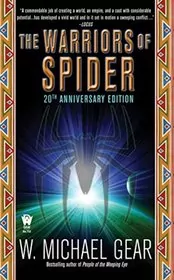
The Warriors of Spider
by W Michael Gear
1988
A powerful human regime rediscovers World, a lost colony shaped by tribal warfare and the god Spider. First contact sparks a struggle over freedom, identity, and who gets to control the future of human space.
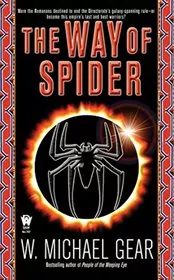
The Way of Spider
by W Michael Gear
1989
World's warriors are no longer only fighting for survival. As revolt, outside pressure, and cultural change spread, Iron Eyes and his allies must decide what Spider's people can become without losing themselves.
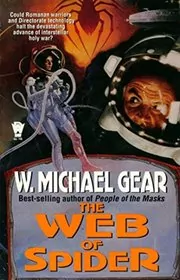
The Web of Spider
by W Michael Gear
1989
A failed rebellion has swollen into a fanatical holy war, and the warriors of Spider face their hardest test. Old technologies, desperate alliances, and a ruthless enemy push human space toward all-out ruin.
Spider Trilogy books in chronological order
Series background & context
The Spider books are early W. Michael Gear science fiction, but they already show some of the things he does well later, pressure-cooker politics, cultures colliding, and people trying to keep hold of themselves while larger systems try to use them. The trilogy is set in a far-future human civilization where power is concentrated in the Directorate, a rigid order of genetically altered humans tied into a massive information network. They look stable from the outside. They are not.
Then first contact changes everything.
At the heart of the series is the rediscovery of a lost human colony world, usually called World. The people there have been cut off long enough to build their own ways of living, fighting, worshipping, and understanding honor. Among them are the Romanans, often known as the warriors of Spider, a people shaped by prophecy, raiding, fierce loyalty, and a god who is less a tidy religion than a living force in the culture.
That split between high-tech control and tribal survival is where the books get their energy. The Directorate assumes information, breeding, and centralized power make it superior. World has a harsher, more intimate logic, built out of kinship, reputation, violence, and spiritual obligation. Neither side can touch the other without changing it. The first book starts with discovery, but discovery quickly becomes interference, desire, and political panic.
As the trilogy goes on, the scale widens.
The story pushes out from one lost colony into rebellion, civilizational instability, and open war across human space. Old military and police structures become unstable allies. Leaders with grand plans start reaching for technologies and myths they do not fully control. By the end, the conflict is no longer only about whether World can stay free. It is about whether the whole human order is about to be broken by fanaticism, vengeance, and the inability of powerful people to stop escalating.
The tone lands somewhere between planetary adventure and full space opera. There are battles, ambushes, strategy, betrayals, and political maneuvering, but the books are also interested in belief, gender roles, cultural shock, and the hard seduction of power. Gear does not smooth the rough edges off the tribal society on World, and he does not pretend the Directorate's version of civilization is morally clean either.
So if you are curious about Gear's solo science fiction, this is a good place to see the foundation. The Spider trilogy gives you lost-colony adventure, interstellar politics, culture clash, and a steadily growing conflict that pulls a remote world into the center of human history.
Other Series









Edited by
Software engineer whose passion for tracking book recommendations from podcasts inspired the creation of MRB.
Lead investor at 3one4 Capital whose startup expertise and love for books helped shape MRB and its growth.
Comments
Did we miss something? Have feedback?
Help us improve this page by sharing your thoughts