
Shirley Jackson Books in Order
Explore Shirley Jackson books in order, with quick summaries, reading guidance, and background on her novels, stories, and memoirs.
Last updated:
As an Amazon Associate, we earn from qualifying purchases (at no extra cost to you).
Shirley Jackson books in publication order
30 books

Men with Their Big Shoes
by Shirley Jackson
1947
A pregnant young wife hires a maid and discovers how quickly dependence, politeness, and class performance can turn into a trap. Jackson makes a small domestic arrangement feel quietly humiliating and increasingly tense.

The Lottery
by Shirley Jackson
1948
On a bright June morning, a small town gathers for its annual lottery, treating the ritual as ordinary civic business. Jackson's famous story turns that calm routine into a brutal indictment of tradition and group obedience.
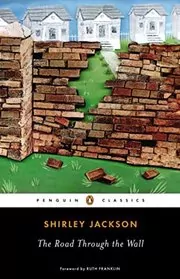
The Road Through the Wall
by Shirley Jackson
1948
Pepper Street looks like a safe California neighborhood, but resentment and cruelty simmer behind its tidy lawns. When order begins to crack, Jackson exposes the ugliness hidden inside suburban respectability.

The Lottery and Other Stories
by Shirley Jackson
1949
Jackson's only story collection published in her lifetime brings together The Lottery with two dozen other pieces, ranging from domestic comedy to creeping dread. It is the clearest single view of how broad her short fiction could be.

The Tooth
by Shirley Jackson
1949
A woman traveling to New York for dental treatment drifts into a strange, dreamlike journey where pain, fear, and desire keep shifting shape. What starts as a simple trip becomes deeply disorienting.

The Summer People
by Shirley Jackson
1950
An older couple decide to stay past the end of the season at their summer place, certain they belong. As the village empties, Jackson lets hospitality curdle into exclusion, dread, and a very human kind of terror.
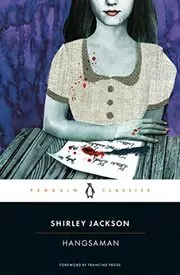
Hangsaman
by Shirley Jackson
1951
Seventeen-year-old Natalie Waite leaves a stifling home for college, hoping to reinvent herself. Instead, she slips into loneliness, confusion, and a world where imagination and reality no longer stay neatly apart.
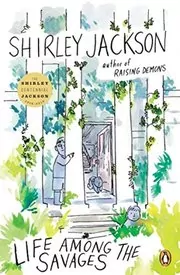
Life Among the Savages
by Shirley Jackson
1953
Jackson's semi-autobiographical memoir follows family life in rural Vermont with her husband and children. School troubles, housework, moving, and neighborhood absurdities become dry, affectionate comedy with just a faint shadow of menace.
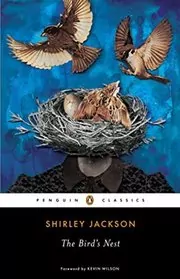
The Bird's Nest
by Shirley Jackson
1954
Elizabeth seems quiet and ordinary, until cracks in her life reveal a mind splitting into different selves. Jackson turns her third novel into a chilly psychological study of identity, family pressure, and the fear of losing control.

One Ordinary Day, With Peanuts
by Shirley Jackson
1955
Mr. Johnson spends the day handing out kindness, money, and small bits of luck to strangers across the city. Then Jackson quietly reveals a deeper game beneath the good deeds, giving the story its sly sting.
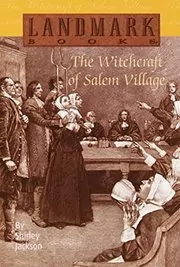
The Witchcraft of Salem Village
by Shirley Jackson
1956
Jackson retells the Salem witch trials for younger readers, tracing how fear, accusation, and bad evidence destroyed a community. It is clear, disturbing history, written with the same eye for group cruelty that powers her fiction.
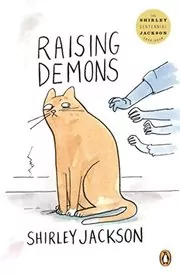
Raising Demons
by Shirley Jackson
1957
In this sequel to Life Among the Savages, Jackson returns to family life with older children, a new house, and new forms of chaos. Taxes, clutter, school activities, and everyday disasters become sharp, very funny comedy.

The Missing Girl
by Shirley Jackson
1957
When a girl disappears from summer camp, the search exposes how little anyone really knew about her. Jackson turns the investigation into an eerie study of neglect, indifference, and the fear that a person can simply vanish.
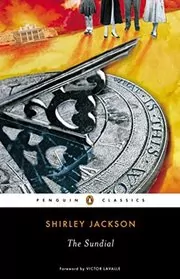
The Sundial
by Shirley Jackson
1958
When Aunt Fanny announces that the world is about to end, the Halloran family retreats into apocalyptic planning at their decaying estate. The result is part dark comedy, part horror, as paranoia and selfishness take over.
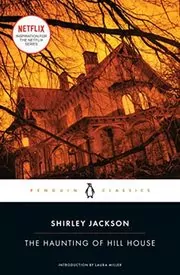
The Haunting of Hill House
by Shirley Jackson
1959
Dr. Montague gathers three guests to test whether Hill House is truly haunted, but the house seems especially drawn to lonely Eleanor. Jackson turns a simple investigation into a slow, unnerving study of fear, belonging, and collapse.
Recommended by
1 person Ben Shapiro recommended this book
Ben Shapiro
"Very enjoyable. It is a good book." - Ben Shapiro
Ben Shapiro's recommendation of this book
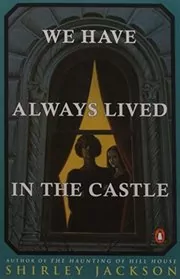
We Have Always Lived in the Castle
by Shirley Jackson
1962
Merricat Blackwood lives in isolation with her sister Constance and Uncle Julian after a family poisoning shattered their household. When a greedy cousin arrives, the Blackwoods' fragile peace turns into a tense, eerie struggle over home and control.

9 Magic Wishes
by Shirley Jackson
1963
A magician offers a child nine wishes, and each one becomes stranger and more delightful than the last. This picture book is bright, whimsical, and just a little uncanny in the way only Jackson can manage.

Nine Magic Wishes
by Shirley Jackson
1963
A magician appears on a very unusual day and grants a child nine marvelous wishes. Jackson's picture book moves with dream logic, bright invention, and the quiet oddness that makes even its sweetness feel memorable.
Famous Sally
by Shirley Jackson
1966
In this whimsical children's story, Sally sets out to make herself famous by telling people her name in one city after another. It is playful, odd, and full of the gentle strangeness Jackson handled so well.

The Magic of Shirley Jackson
by Shirley Jackson
1966
This large omnibus gathers The Bird's Nest, Life Among the Savages, Raising Demons, and a substantial selection of stories. It shows Jackson's full range, from domestic farce to psychological unease and outright dread.

Come Along with Me
by Shirley Jackson
1968
Published after Jackson's death, this collection pairs her unfinished novel Come Along with Me with stories and late lectures. It offers both eerie fiction and a direct glimpse of how she thought about writing.

Charles
by Shirley Jackson
1991
Laurie's mother hears endless reports about Charles, the bad child in kindergarten who seems to cause trouble every day. Jackson turns family storytelling into a perfect little comedy about school, parenting, and what parents choose to believe.

Just an Ordinary Day
by Shirley Jackson
1996
This posthumous collection brings together uncollected and previously unpublished stories from across Jackson's career. It is a strong book for readers who want beyond the famous titles and deeper into her stranger, quieter work.

The Masterpieces Of Shirley Jackson
by Shirley Jackson
1996
This omnibus collects The Haunting of Hill House, We Have Always Lived in the Castle, and The Lottery. It is a compact way to read the works that most shaped Jackson's reputation.

The Story We Used to Tell
by Shirley Jackson
1996
A shared story from the past begins to blur with present reality, and memory itself starts to feel unreliable. Jackson uses a simple conversation to open something far darker and harder to explain.

Collected Short Stories
by Shirley Jackson
2001
This brief selection gathers three representative Jackson stories: Charles, The Lottery, and One Ordinary Day, with Peanuts. It offers a quick sample of her humor, menace, and gift for turning everyday situations inside out.

Novels and Stories
by Shirley Jackson
2010
This Library of America volume brings together The Lottery and Other Stories, The Haunting of Hill House, We Have Always Lived in the Castle, and additional stories and sketches. It is an essential one-volume survey of her major work.

Let Me Tell You
by Shirley Jackson
2015
Edited from Jackson's archives, this collection gathers previously unpublished and uncollected stories, essays, lectures, and drawings. It shows how easily she moved between the eerie, the comic, the domestic, and the sharply observant.
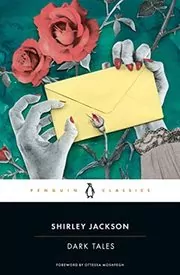
Dark Tales
by Shirley Jackson
2017
This curated collection leans toward Jackson's darkest short fiction, including some of her most unsettling suburban and rural nightmares. It is a focused entry point if you want the eerie, cruel, and uncanny side of her work.

The Letters of Shirley Jackson
by Shirley Jackson
2021
These letters trace Jackson from college years to the last days of her life, mixing literary work, family life, and private frustrations. Together they form an intimate self-portrait in motion.
Where to start with Shirley Jackson
If you want classic haunted-house horror: The Haunting of Hill House
If you want a tight gothic family drama: We Have Always Lived in the Castle → Hangsaman
If you want the short stories first: The Lottery and Other Stories → Dark Tales → Just an Ordinary Day
If you want her funny domestic side: Life Among the Savages → Raising Demons
Shirley Jackson sub-series and character series
Life Among the Savages books in order
Explore this seriesLife Among the Savages books in chronological order
Shirley Jackson collections, short stories, and related book types
Short Stories/Novellas
Chap Books
Collections
Non-Fiction
Standalone Shirley Jackson books
Author bio
Shirley Jackson was born in San Francisco in 1916 and spent most of her childhood in nearby Burlingame, California. Late in high school, her family moved to Rochester, New York, which gave her another version of American suburbia to watch closely. That habit of noticing the polite surface and the pressure underneath would stay with her for the rest of her life.
She started writing early, and she took it seriously.
After a stretch at the University of Rochester, she transferred to Syracuse University, where things clicked. She published work in campus magazines, helped edit student publications, and met Stanley Edgar Hyman, the classmate she married in 1940. They would have four children and, a few years later, settle in North Bennington, Vermont, where Hyman taught at Bennington College.
Jackson wrote in the middle of everything.
Home life gave her material, but it also demanded time, money, patience, and stamina. She wrote fiction, essays, memoir, and children's books while keeping up with a noisy household, and that mix of domestic detail and private dread became one of her signatures. In her work, kitchens, schoolrooms, village greens, and living rooms are never just backgrounds.
Her breakthrough came in 1948, when The Lottery appeared in The New Yorker and shocked readers so badly that the magazine was flooded with letters. That same year she published her first novel, The Road Through the Wall, a sharp look at a California neighborhood that is far less decent than it appears. She kept building from there, writing books that looked ordinary on the surface and then quietly turned the screw.
Different readers come to Jackson through different doors. Some start with The Haunting of Hill House, where Eleanor enters a house that seems to want her. Others prefer We Have Always Lived in the Castle, with Merricat Blackwood's strange voice, family damage, and airtight sense of menace. And many people who know only her dark fiction are surprised by the dry, very funny family books Life Among the Savages and Raising Demons.
That mix matters. Jackson could write about haunted houses and village rituals, but she was just as interested in neighbors, teachers, children, lonely daughters, brittle marriages, and the tiny rules people enforce without thinking. Books like Hangsaman and The Bird's Nest push deep into questions of identity and perception, while the memoirs show the same sharp eye turned toward family life and small-town absurdity.
Readers often talk about the same thing when they describe Jackson: how calm the prose feels until suddenly it does not. She was funny, too, in a dry, exact way that makes the horror hit harder. Even when nothing supernatural is happening, her characters can feel trapped by family, by custom, by their own minds, or by a town that has already decided who they are.
She almost never needed big effects. A conversation, a town custom, a child saying the wrong thing, that was often enough.
Jackson died at her home in North Bennington in 1965, only forty-eight years old. She left six completed novels, two memoirs, children's books, and hundreds of stories. More than half a century later, her work still feels uncomfortably close to everyday life, which is a big reason it keeps finding new readers.


Edited by
Software engineer whose passion for tracking book recommendations from podcasts inspired the creation of MRB.
Lead investor at 3one4 Capital whose startup expertise and love for books helped shape MRB and its growth.
Comments
Did we miss something? Have feedback?
Help us improve this page by sharing your thoughts