
Shirley Conran Books in Order
Explore Shirley Conran books in order, from Superwoman to Lace, with quick summaries, series background, and easy guidance on where to start.
Last updated:
As an Amazon Associate, we earn from qualifying purchases (at no extra cost to you).
Shirley Conran books in publication order
15 books
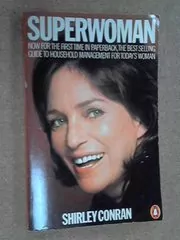
Superwoman
by Shirley Conran
1977
Conran's bestselling household guide offers brisk, funny advice for women trying to manage work, family, and home without collapsing under impossible standards. It is practical, sharp-tongued, and built on the idea that perfection is not the point.
Superwoman 2
by Shirley Conran
1977
A follow-up to Superwoman, this book returns to the daily juggle of housework, work life, and family demands. Conran offers more shortcuts, systems, and plain talk for women who want less guilt and more control.
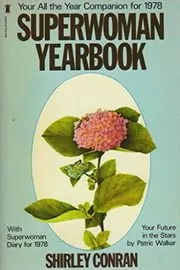
Superwoman Yearbook 1978
by Shirley Conran
1977
This companion yearbook extends the Superwoman approach across the calendar, with practical tips, reminders, and seasonal advice. It is geared toward busy readers who want a more manageable home and a little less chaos.
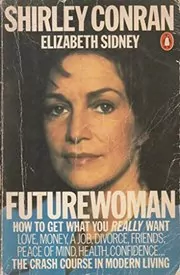
Futures: How to Survive Life After Thirty / Futurewoman
by Shirley Conran
1979
Conran turns to the next stage of adult life with practical advice on health, money, relationships, and change. It is a brisk, readable guide for women thinking ahead rather than pretending life stands still after thirty.
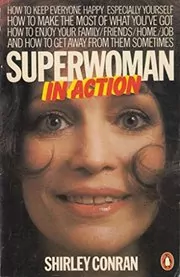
Superwoman In Action
by Shirley Conran
1979
Another practical Superwoman guide, this one is about putting Conran's shortcuts to work in real daily life. It tackles the endless pull of home, family, and routine with brisk, unsentimental advice.
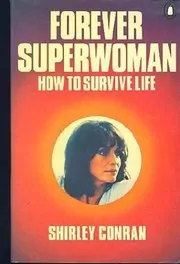
Forever Superwoman
by Shirley Conran
1981
Conran takes her Superwoman ideas into the years of small children, looking at the mess, exhaustion, and logistics of family life. The tone is practical and frank, with more interest in survival than picture-perfect parenting.
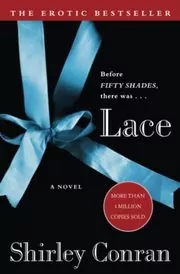
Lace
by Shirley Conran
1982
Hollywood star Lili summons four elegant women who share a buried secret and demands answers about her past. The hunt for her mother turns into a glossy, sharp-edged story of friendship, wealth, resentment, and power.
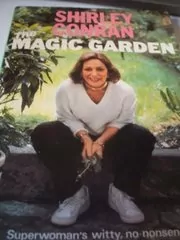
Magic Garden
by Shirley Conran
1983
A no-fuss gardening guide, this book applies Conran's practical style to planting, planning, and making outdoor space work for you. It is aimed at readers who want a lovely garden without treating it like a full-time job.
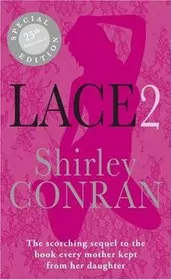
Lace II
by Shirley Conran
1985
After the truth at the heart of Lace comes out, Lili keeps searching for the missing pieces of her identity. Old loyalties fray again as the women around her face new danger, family fallout, and another round of secrets.

Savages
by Shirley Conran
1987
When mining executives are killed during a coup on a South Pacific island, their pampered wives are left to fend for themselves in the jungle. Survival, fear, and shifting loyalties strip away every comfort they once relied on.
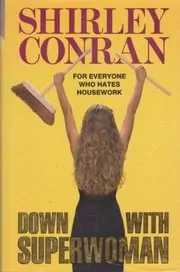
Down with Superwoman
by Shirley Conran
1990
Years after coining Superwoman, Conran pushes back against the whole ideal. This book offers realistic ways to run a home, cut corners, and stop treating housework as a test of worth.

The Amazing Umbrella Shop
by Shirley Conran
1990
In this children's story, shy Miss Adeney dreams of making extraordinary umbrellas, with help from Mr Brigg and a clever ginger cat named Swain. It is a warm, whimsical tale about imagination, kindness, and finding confidence.
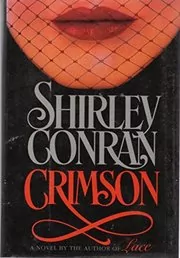
Crimson
by Shirley Conran
1992
As bestselling novelist Elinor O'Dare nears death without a will, her three granddaughters are pulled into a struggle over love, money, and inheritance. Family loyalties start to crack as outside schemers circle the fortune.

Tiger Eyes
by Shirley Conran
1994
Plum thinks her second marriage has brought stability, until she stumbles into an international art-forgery ring. Chasing fake paintings from London to Paris, she is forced to test both her courage and her independence.
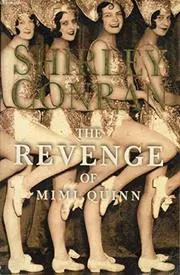
The Revenge of Mimi Quinn
by Shirley Conran
1998
Teenage Mimi Quinn joins a music hall troupe and finds friendship, ambition, and a possible future on the stage. Then a terrible accident starts a feud that burns through decades, families, and careers.
Where to start with Shirley Conran
If you want her signature glamorous saga: Lace → Lace II
If you want survival suspense: Savages
If you want family fortune drama: Crimson
If you want art-world intrigue: Tiger Eyes
If you want practical vintage nonfiction: Superwoman → Forever Superwoman → Down with Superwoman
Shirley Conran sub-series and character series
Lace books in order
Explore this seriesShirley Conran collections, short stories, and related book types
Picture Books
Non-Fiction
Standalone Shirley Conran books
Author bio
Shirley Conran was born in Hendon, Middlesex, on September 21, 1932, and grew up in London as the eldest of six children. Her father ran a dry-cleaning business, and by her own account home could be an uneasy place. She went to St Paul's Girls' School, spent time at a Swiss finishing school, and later studied art in Portsmouth and at Chelsea Polytechnic. All of that would feed the way she wrote about money, class, taste, and female survival.
She did not begin as a novelist.
In the 1950s she married the designer Terence Conran, worked with him in fabrics and design, and had two sons, Sebastian and Jasper. After the marriage ended, she had to support herself and her children, and she moved through publicity and design jobs into journalism. She worked at the Daily Mail and the Observer, and at the Mail she launched Femail, a women's section that widened what could be covered in a newspaper.
A serious illness changed the direction of her career. After viral pneumonia, she was left with what was later identified as ME, or chronic fatigue syndrome, and ordinary tasks became much harder. She started jotting down shortcuts for getting through the day, and those notes grew into Superwoman in 1975, the practical household guide that made her famous and sold in huge numbers.
That book hit a nerve.
Readers found something freeing in its refusal to treat domestic perfection as a moral duty. Conran stayed in that practical lane for a while with books like Superwoman 2, Forever Superwoman, which focused on life with young children, Futures: How to Survive Life After Thirty / Futurewoman, and later Down with Superwoman. Even when she was giving advice, her real subjects were time, money, exhaustion, and how women keep some control over their own lives.
Then she turned to fiction, and Lace changed everything. Published in 1982, it spent 13 weeks on the New York Times bestseller list and became a successful US miniseries. Readers came for the glamorous setup and the giant secret at its center, but many stayed for the women themselves: clever, messy, ambitious, angry, funny, and always trying to make room for themselves in a world built by men.
Her later novels kept that interest in women under pressure, but changed the setting each time. Savages throws a group of wealthy wives into a brutal survival story after a coup. Crimson turns inheritance, family loyalty, and a dying grandmother into a long power struggle. Tiger Eyes follows a young painter into the world of forged art, while The Revenge of Mimi Quinn stretches across decades of performance, ambition, betrayal, and feud. The plots are big, but the question under them is often simple: how does a woman stay free when love, family, sex, money, and reputation are all in play?
She never lost interest in work outside the book world. In later life she put a lot of energy into campaigning around work-life balance and maths education, founding Maths Action and later the Maths Anxiety Trust because she believed girls and women were too often shut out of financial confidence by fear of numbers. She also spent years living between London, France, and Monaco.
Conran was made a dame for her work in maths education shortly before her death. She died in London on May 9, 2024, aged 91.
What lasts is her plain, tough-minded view of women's lives. Whether she was writing about a sink full of dishes or a hotel full of secrets, she kept coming back to the same point: women need options, and options usually start with money, time, and the right to stop pretending.











Edited by
Software engineer whose passion for tracking book recommendations from podcasts inspired the creation of MRB.
Lead investor at 3one4 Capital whose startup expertise and love for books helped shape MRB and its growth.
Comments
Did we miss something? Have feedback?
Help us improve this page by sharing your thoughts