
Shadow Project Books in Order
Part ofHerbie Brennan Books in OrderFind the Shadow Project books by Herbie Brennan in order, with quick summaries, series background, and a guide to starting this teen spy fantasy.
Last updated:
As an Amazon Associate, we earn from qualifying purchases (at no extra cost to you).
Shadow Project books in publication order
2 books
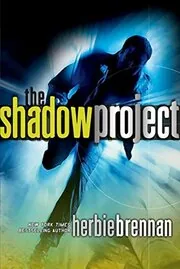
The Shadow Project
by Herbie Brennan
2009
Teen thief Danny Lipman breaks into the wrong house and discovers a secret spy program built on astral projection. Recruited instead of arrested, he steps into a world of covert missions and occult danger.
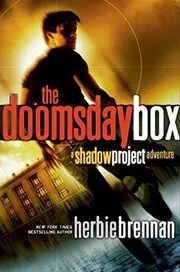
The Doomsday Box
by Herbie Brennan
2010
The Shadow Project team is sent back to Cold War Russia to stop a time-travel plot that could unleash plague on the modern world. Spy action and supernatural powers drive the danger from the first page.
Shadow Project books in chronological order
Series background & context
The Shadow Project books mix spy thriller, supernatural adventure, and coming-of-age story in a way that feels very Brennan. The central idea is simple and odd enough to hook you immediately: what if a secret government program trained teenagers to leave their bodies and spy through astral projection? From there the series builds outward into covert missions, hidden enemies, and a world where intelligence work is tangled up with the paranormal.
The first book centers on Danny Lipman, a teenage thief who breaks into the wrong place and stumbles into the Project itself. Instead of sending him straight to prison, the adults in charge notice he has a gift they can use. That gives the series one of its main pleasures. Danny is not polished, privileged, or naturally obedient. He is smart, wary, and used to surviving by instinct. Watching him enter a system built on secrecy and control gives the books much of their edge.
He is not alone for long. Opal, Michael, and later allies become part of the core group, and Brennan keeps the team dynamic moving. Each teenager brings a different skill set and a different emotional burden. The adults may run the operation, but the series understands that the real risk often lands on the young people whose talents are being exploited.
The setting matters too. Much of the series works because it feels half rooted in modern espionage and half tilted into something older and stranger. Safe houses, surveillance, and counterterror work sit beside occult knowledge, altered states, and spiritual conflict. The tension comes from that overlap. A mission can start like a thriller and end like a nightmare.
Then the second book widens the frame. The Doomsday Box adds time travel, plague, and Cold War Moscow to the mix, which sounds like too much until Brennan makes it move. The point of the series is not realism in a narrow sense. It is momentum, atmosphere, and the pressure of forcing young characters to make decisions in situations that keep getting bigger than they expected.
These books are fast.
What carries them from one crisis to the next is not only action but suspicion. Who is telling the truth? What does the Project really want? How much power should anyone have over another person's mind or spirit? Brennan does not stop to turn those questions into lectures, but they are always there under the chase scenes.
If you like teen fantasy that leans toward espionage rather than epic world-building, Shadow Project is the kind of series to try in order. Start with The Shadow Project, then move to The Doomsday Box. The characters, the trust issues, and the sense of danger all build better that way.














Edited by
Software engineer whose passion for tracking book recommendations from podcasts inspired the creation of MRB.
Lead investor at 3one4 Capital whose startup expertise and love for books helped shape MRB and its growth.
Comments
Did we miss something? Have feedback?
Help us improve this page by sharing your thoughts