
Second Fatherland Books in Order
Part ofJules Verne Books in OrderBrowse the Second Fatherland books by Jules Verne in order, with summaries, background, and notes on this sequel to a classic island tale.
Last updated:
As an Amazon Associate, we earn from qualifying purchases (at no extra cost to you).
Second Fatherland books in publication order
2 books
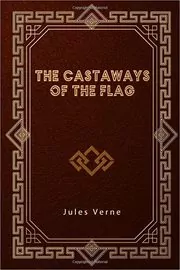
The Castaways of the Flag
by Jules Verne
1900
Verne continues the world of *The Swiss Family Robinson* by returning to New Switzerland after survival has turned into settlement. New arrivals and new dangers test whether the island can truly become a homeland.
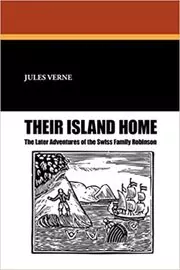
Their Island Home
by Jules Verne
1924
This volume from the *Second Fatherland* story returns to New Switzerland after the first castaway crisis has passed. Island life has deepened into home, but new people and new pressures disturb the balance.
Second Fatherland books in chronological order
Series background & context
Second Fatherland sits in an unusual place in Jules Verne's work because it is not just another robinsonade. It is a continuation of The Swiss Family Robinson. Verne had long liked castaway fiction, and here he returns to that world not to repeat the original survival setup, but to ask what happens after the island has become a home.
This is a sequel built around settlement rather than first arrival.
By the time Verne picks up the story, the island of New Switzerland already has history. The original castaways have learned the land, built routines, and turned improvisation into daily life. That changes the feel of the series. Instead of beginning from shipwreck shock, it begins from the quieter question of whether a place won by hardship can become a real fatherland, a second homeland, for people who never expected to stay.
New arrivals and new complications disturb that stability. The island has to absorb more people, more needs, and more competing hopes. Some characters still dream of leaving. Others have begun to think in terms of permanence, property, and community. Verne is very interested in that shift. The books are full of practical island work, but underneath it runs a larger argument about belonging.
There is still adventure, of course. The island is not suddenly safe just because it is better known. Isolation, weather, distance, and human threat all remain active parts of the plot. But compared with some of Verne's more headlong books, the real pleasure here is watching a castaway world become more layered. Families expand, loyalties are tested, and the island starts to feel less like a campsite and more like a society in miniature.
English readers also run into title confusion here. Second Fatherland is closely tied to The Castaways of the Flag, and some editions divide or rename the material, including Their Island Home. However it is packaged, the core experience is the same: Verne taking a beloved survival story and extending it into something broader and more communal.
If you come to this series expecting nonstop peril, you may find it steadier than Nemo or Hatteras. If you come for island life, settlement building, and the question of how exile turns into attachment, it is a rewarding corner of Verne. He understood that survival is only the first chapter. After that comes the harder work of deciding what kind of life is worth building.









Edited by
Software engineer whose passion for tracking book recommendations from podcasts inspired the creation of MRB.
Lead investor at 3one4 Capital whose startup expertise and love for books helped shape MRB and its growth.
Comments
Did we miss something? Have feedback?
Help us improve this page by sharing your thoughts