
Sea of Grass Books in Order
Part ofDavid Gerrold Books in OrderBrowse the Sea of Grass books by David Gerrold in order, with short summaries, series background, and an easy guide to where to start.
Last updated:
As an Amazon Associate, we earn from qualifying purchases (at no extra cost to you).
Sea of Grass books in publication order
2 books
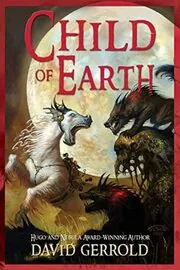
Child of Earth
by David Gerrold
2005
Kaer's family volunteers to cross a world-gate to Linnea, a colony world of towering grass, giant horses, and wary natives. Gerrold turns first contact and frontier life into a very personal coming-of-age story.
Child of Grass
by David Gerrold
2014
Life on Linnea gets more complicated as Kaer faces new power struggles, new beliefs, and the hard truth that a colony world will not stay simple for long. The frontier adventure broadens into politics, faith, and survival.
Sea of Grass books in chronological order
Series background & context
The Sea of Grass books begin with migration, not conquest. Kaer and her family volunteer to leave Earth by world-gate and settle on Linnea, a colony world that sounds promising from a distance and much harder up close. Linnea has lighter gravity, giant grasslands, horses that have grown enormous, and a human future that is still being improvised. Gerrold treats colonization as a family decision first and a science fiction premise second.
That choice gives the series its tone.
In Child of Earth, the wonder is real, but it is never free. Kaer is young enough to be fascinated by the new world and old enough to notice that adults are carrying fear with them. Frontier stories often skip quickly to adventure. Gerrold slows down long enough to show what relocation does to a household, how new environments rearrange power inside a family, and how much effort it takes to make a place livable when the place has no reason to cooperate.
Linnea is what makes the series memorable. The title is not decorative. The world feels broad, grassy, and physically different in ways that keep mattering. Animals behave differently. Distance behaves differently. So does danger. The colony is not just building homes. It is trying to understand a planet that already has its own scale, rhythms, and inhabitants. That includes uneasy contact with local people and the uncomfortable fact that human settlers do not arrive as neutral observers.
By Child of Grass, the story opens out from pure settlement pressure into questions of culture, religion, and authority. Faith in Mother Linnea, local conflict, and the machinery of social order start to matter more. That shift makes sense. Once a colony survives the first landing phase, the next question is always who gets to define the rules. Gerrold is interested in that moment when practicality hardens into ideology.
This is quieter science fiction than some of his better-known work.
But quieter does not mean smaller. The stakes in Sea of Grass are about belonging, adaptation, and whether a new world changes people faster than they can understand themselves. If you like planetary fiction that pays attention to ecology and to family life at the same time, this series has a lot of appeal. It reads like a young person's view of colonization, but it never mistakes youth for simplicity.








Edited by
Software engineer whose passion for tracking book recommendations from podcasts inspired the creation of MRB.
Lead investor at 3one4 Capital whose startup expertise and love for books helped shape MRB and its growth.
Comments
Did we miss something? Have feedback?
Help us improve this page by sharing your thoughts