
School of Essential Ingredients Books in Order
Part ofErica Bauermeister Books in OrderRead the School of Essential Ingredients books by Erica Bauermeister in order, with summaries and background on Lillian’s restaurant and its connected lives.
Last updated:
As an Amazon Associate, we earn from qualifying purchases (at no extra cost to you).
School of Essential Ingredients books in publication order
2 books
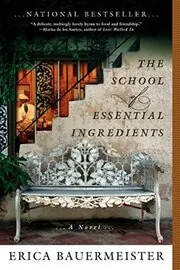
The School of Essential Ingredients
by Erica Bauermeister
2009
In Lillian's cooking class, eight students come looking for kitchen skills and find something harder to name. As their stories slowly intertwine, food becomes a language for grief, love, loneliness, and the possibility of change.
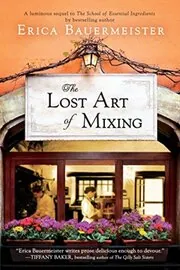
The Lost Art of Mixing
by Erica Bauermeister
2013
Returning to Lillian's restaurant, old friends and new faces move through heartbreak, mistrust, and unexpected connection. As Chloe, Al, Louise, Isabelle, Finnegan, and Lillian search for steadier footing, food becomes the place where their lives keep crossing.
Series background & context
Erica Bauermeister's School of Essential Ingredients novels follow the people who gather around Lillian's restaurant and cooking classes. The books connect food with memory, grief, affection and the possibility of changing a life that has become difficult to understand. Different characters carry parts of the narrative, making the restaurant a meeting place for several stories rather than the backdrop to a single romance. What happens in the kitchen gradually reaches beyond it.
The School of Essential Ingredients begins with eight students attending a monthly Monday-night class. They arrive from different circumstances, ostensibly to learn how Lillian prepares food. Their reasons for needing the experience are more personal than that shared aim suggests. Cooking gives them something practical to do together while creating room for feelings they may not have brought into an ordinary conversation. As they work with flavors, textures and aromas, the lessons begin to affect how they see themselves and one another.
The class creates a community without requiring everyone to arrive ready to explain their life.
Lillian's approach makes food a form of attention. Preparing and tasting something asks the students to be present, but it can also return them to an earlier experience or suggest a need they have not named. The interweaving viewpoints let readers see how a brief encounter may mean different things to the people involved. Friendship develops through repeated contact, while private histories remain important to the changes that take place. The restaurant's role is to bring people close enough for those lives to begin intersecting.
The Lost Art of Mixing returns to Lillian and several people from the first book while adding new perspectives. The circle includes her accountant Al, his wife Louise, sous-chef Chloe, dishwasher Finnegan and Isabelle, an older woman facing changes in her memory. Relationships are shaped by what people assume and by the things they fail to say. A gesture meant one way may be understood quite differently, making the work of knowing someone as important as the comfort of belonging to the group. The restaurant remains a point of connection while each person faces a different transition.
The tone is character-centered contemporary fiction, with sensory descriptions of food and an emphasis on everyday moments that alter relationships. There is no single villain or central investigation; the movement comes from grief, attraction, miscommunication and the need to adjust. Begin with The School of Essential Ingredients, then read The Lost Art of Mixing. That order introduces the original class and its connections before returning to the wider circle, allowing the sequel's changes to build on the people readers have already met.







Edited by
Software engineer whose passion for tracking book recommendations from podcasts inspired the creation of MRB.
Lead investor at 3one4 Capital whose startup expertise and love for books helped shape MRB and its growth.
Comments
Spotted a missing book, a wrong order or a mistake? Tell us and we'll fix this page.
We're a reading guide, not the author or publisher, so we can't send books or pass on messages.