
Sasha Visits... Books in Order
Part ofShamini Flint Books in OrderBrowse the Sasha Visits... books by Shamini Flint in order, with short summaries, series background, and easy where-to-start help.
Last updated:
As an Amazon Associate, we earn from qualifying purchases (at no extra cost to you).
Sasha Visits... books in publication order
5 books
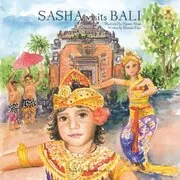
Sasha Visits Bali
by Shamini Flint
2006
Sasha's trip to Bali turns travel into a child-sized adventure full of new sights and experiences. The book keeps the mood light and inviting.
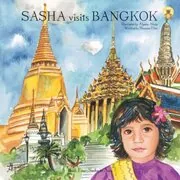
Sasha Visits Bangkok
by Shamini Flint
2006
Bangkok becomes the setting for another short Sasha outing, shaped by movement, curiosity, and discovery. Young readers get a friendly first look at the city.
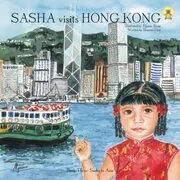
Sasha Visits Hong Kong
by Shamini Flint
2006
Sasha visits Hong Kong and takes in the city from a young child's perspective. The result is a brisk, approachable travel story with plenty to notice.
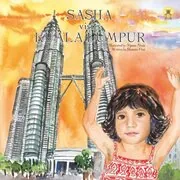
Sasha Visits Kuala Lumpur
by Shamini Flint
2006
Sasha explores Kuala Lumpur with curiosity and excitement, giving young readers a simple way into the city. It is a travel picture book with a warm regional focus.
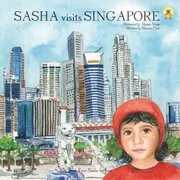
Sasha Visits Singapore
by Shamini Flint
2006
Sasha travels through Singapore in a bright, child-friendly introduction to the city. The book highlights local surroundings in a way that feels familiar rather than exotic.
Sasha Visits... books in chronological order
Series background & context
The Sasha Visits... books widen the Sasha world beyond Singapore and turn the series into a child-sized travel map of Asia. These are picture books about movement, curiosity, and seeing a place at the speed a young child actually sees it. The destinations may be famous, but the tone stays small, warm, and manageable.
That balance is the charm.
In these books, Sasha heads to places such as Bali, Kuala Lumpur, Hong Kong, Bangkok, and Singapore. The settings change, but the structure stays welcoming. A trip is not treated like a grand expedition. It is a day or a visit, full of sights, sounds, and small discoveries. Young readers are not asked to master a country. They are simply invited along.
Flint started the Sasha books because she wanted children in Asia to find themselves and their surroundings in stories. You can feel that purpose clearly here. These books are not built around the old habit of making Asian places seem mysterious or decorative. They are lived spaces. Families go there, children look around, and the ordinary details matter as much as the headline attractions.
Because of that, the books have a very easy rhythm. They are good for read-alouds, for early conversations about travel, and for children who like picture books grounded in real places. The plots are deliberately light. What carries the story is the sense of being somewhere specific with a guide who is the right height, emotionally and literally, for the job.
There is also a nice regional feel to this part of Flint's work. The books suggest a connected world within Asia, where cities and holiday spots are part of the same imaginative landscape. For children growing up in the region, that can feel refreshingly normal. For readers outside it, the books offer a gentle way in.
If you want picture books that introduce places without sounding like brochures, this series does that well. The books are calm, affectionate, and visually led. They make travel feel exciting, but not intimidating. Sasha does not conquer destinations. She visits them, enjoys them, and lets young readers do the same.















Edited by
Software engineer whose passion for tracking book recommendations from podcasts inspired the creation of MRB.
Lead investor at 3one4 Capital whose startup expertise and love for books helped shape MRB and its growth.
Comments
Did we miss something? Have feedback?
Help us improve this page by sharing your thoughts