
Sarmatian Trilogy Books in Order
Part ofTim Leach Books in OrderSee the Sarmatian Trilogy by Tim Leach in order, with brief summaries, series background, and where to start advice for this Roman frontier saga.
Last updated:
As an Amazon Associate, we earn from qualifying purchases (at no extra cost to you).
Sarmatian Trilogy books in publication order
3 books
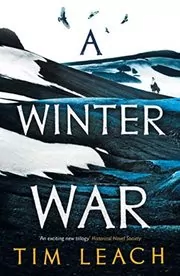
A Winter War
by Tim Leach
2022
In AD 173, after the Sarmatians are shattered on the frozen Danube, warrior Kai wakes among the dead and must bargain with Rome. Survival means walking a hard line between honour, shame, and the empire that conquered his people.
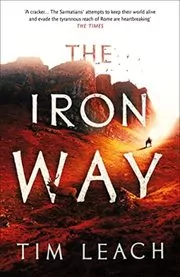
The Iron Way
by Tim Leach
2022
Bound to Rome after defeat, Kai and the surviving Sarmatians are marched to Vindolanda on the edge of Britannia. Garrison duty chafes, rebellion stirs on both sides of the Wall, and every oath starts to feel breakable.
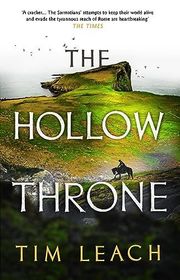
Hollow Throne
by Tim Leach
2023
By AD 180, Kai and the Votadini are trying to survive beyond Hadrian's Wall. When an old enemy stirs the Painted People and Rome turns suspicious, Kai must race for allies before his adopted tribe is crushed.
Sarmatian Trilogy books in chronological order
Series background & context
The Sarmatian Trilogy begins with defeat. In A Winter War, the clans of Sarmatia gather on the frozen Danube in AD 173, desperate, hungry, and still proud enough to believe they can break Rome one more time. Instead, they are crushed, and the series follows what happens after the battle, which is where Tim Leach finds his real story. This is not just a tale of charges and countercharges. It is a story about a people trying to stay themselves after the world has shifted under their feet.
At the center is Kai, a Sarmatian warrior who survives when many better men do not. Survival brings its own shame in his culture, and that tension, between honour and endurance, runs through all three books. The Sarmatians here are horse people, bound by kinship, oath, and a fierce belief that death in battle can be better than living dishonoured. Leach makes those values feel real, not decorative, which gives the series its emotional weight.
Then Rome decides what to do with the defeated.
In The Iron Way, Kai and the surviving Sarmatians are driven west to Vindolanda in Britannia and forced into Roman service on the frontier near Hadrian's Wall. The setting matters a lot. The Wall is not just a landmark, it is a constant reminder of borders, empire, and the limits being imposed on people who once lived by movement. On one side is Roman order, pay, and command. On the other are mist, rumour, and northern tribes who do not intend to submit quietly.
As the trilogy grows, the cast widens. Roman commander Lucius becomes deeply bound up with the Sarmatians' fate, and characters such as Arite pull the story beyond a simple soldiers-on-campaign plot. Alliances shift. Old enemies return. Adopted tribes, local grudges, and Roman suspicion all press in at once. By Hollow Throne, the question is no longer just how to survive Rome, but how to build any kind of home at the edge of it.
Nobody in this series gets to stay untouched.
What makes these books stand out is their balance. They are high-stakes historical adventures with battles, raids, and frontier politics, but they are equally interested in belonging, grief, friendship, and the cost of loyalty. Leach also threads the trilogy through material that later feeds Arthurian legend, which gives the story an extra layer without turning it into fantasy. If you want Roman Britain seen from the margins rather than the center, and historical fiction that takes culture seriously, this is a strong place to start.











Edited by
Software engineer whose passion for tracking book recommendations from podcasts inspired the creation of MRB.
Lead investor at 3one4 Capital whose startup expertise and love for books helped shape MRB and its growth.
Comments
Did we miss something? Have feedback?
Help us improve this page by sharing your thoughts