
Sandy Taylor Books in Order
Explore Sandy Taylor's books in order, with quick summaries, series guides, and simple where-to-start tips for her Brighton and Irish historical novels.
Last updated:
As an Amazon Associate, we earn from qualifying purchases (at no extra cost to you).
Sandy Taylor books in publication order
10 books
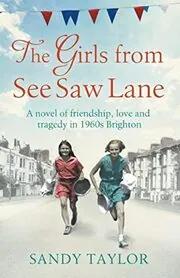
The Girls from See Saw Lane
by Sandy Taylor
2015
In 1963 Brighton, best friends Dottie and Mary move from childhood dreams to shop work, romance and real disappointment. Their bond has carried them through everything, but first love and betrayal may change both their lives.
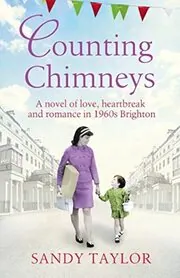
Counting Chimneys
by Sandy Taylor
2016
Back in Brighton for a family celebration, Dottie Perks comes face to face with Ralph Bennett, the first love who once broke her heart. Old feelings rise fast, and so do the painful memories that still stand between them.
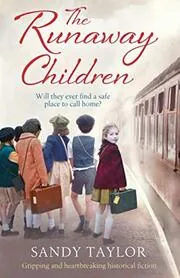
The Runaway Children
by Sandy Taylor
2017
Sent away from wartime London, sisters Nell and Olive hope the countryside will keep them safe. When danger follows them there, they run for home and begin a perilous journey across a Britain torn apart by war.
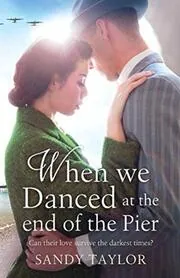
When We Danced at the End of the Pier
by Sandy Taylor
2017
Maureen O'Connell comes of age in Brighton as friendship, first love and family worries shape her youth. Then war arrives, scattering the people she depends on and forcing her to find hope in the darkest years.
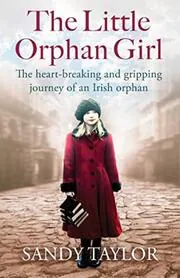
The Little Orphan Girl
by Sandy Taylor
2018
When Cissy Ryan is claimed from the workhouse and taken to a bleak Irish village, friendship with Colm gives her something to hold on to. But service at grand Bretton House opens the door to love, class divides and a devastating decision.
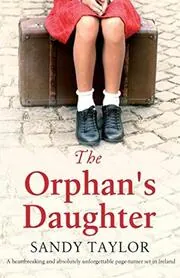
The Orphan's Daughter
by Sandy Taylor
2020
In rural Ireland, Nora Doyle grows from a poor village girl into a young woman pulled between two lives. A secret tied to Edward from the big house drives her to Dublin, where love, loss and old loyalties force an impossible choice.
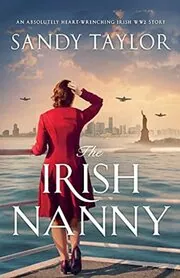
The Irish Nanny
by Sandy Taylor
2021
In 1940, Irish nanny Rose Brown is separated from the family she serves when disaster strikes on the voyage to America. Stranded in Brooklyn with baby Sarah in her arms, she must keep the child safe and try to reunite a shattered family.

The Irish Boarding House
by Sandy Taylor
2022
After inheriting money from the mother who abandoned her, Mary Kate Ryan buys a neglected house in 1950s Dublin and opens a boarding house for single women. It becomes a refuge, and a place where painful family secrets refuse to stay buried.

Return to the Irish Boarding House
by Sandy Taylor
2024
Heartbroken Mary Kate Ryan returns to 24 Merrion Square and reopens the boarding house that once gave so many women shelter. As new guests arrive, a secret tied to young Abby threatens the fragile family she has rebuilt.

The Irish Girl
by Sandy Taylor
2026
Orphaned in the East End in 1939, thirteen-year-old Ivy Connell sets out for Ireland with her little brother Fred and a stubborn scrap of hope. Their journey across a war-damaged country becomes a search for family, safety and somewhere to belong.
Where to start with Sandy Taylor
If you want the Brighton novels in publication order: The Girls from See Saw Lane → Counting Chimneys → When We Danced at the End of the Pier
If you prefer Irish coming-of-age stories: The Little Orphan Girl → The Orphan's Daughter
If you want wartime danger and family drama: The Runaway Children → The Irish Nanny
If you'd like a linked Dublin story: The Irish Boarding House → Return to the Irish Boarding House
Sandy Taylor sub-series and character series
Brighton Girls Trilogy books in order
Explore this seriesBrighton Girls Trilogy books in chronological order
The Irish Boarding House books in order
Explore this seriesThe Irish Boarding House books in chronological order
Standalone Sandy Taylor books
Author bio
Sandy Taylor grew up on a council estate near Brighton, and she has spoken about the fact that there were no books in the house. The local library filled that gap. It gave her stories early, and it also gave her a feel for ordinary lives, the kind of everyday detail that later became a big part of her fiction.
She left school at fifteen and went straight into work, taking jobs in a series of factories before landing a post at Butlins in Minehead. That change of scene mattered. From there she moved into entertainment and writing, building a varied career as a singer, stand-up comic, playwright and, eventually, novelist.
She didn't come to books by the neat, writerly route.
That background helps explain why her novels feel so grounded in work, money worries, family pressure and the push and pull of class. Taylor writes a lot about girls and women trying to build decent lives with very little room for error. Her stories are often set in the past, but the feelings are immediate: wanting safety, wanting love, wanting a home that won't disappear.
Her books have found a large readership in historical fiction, especially among readers who like emotional family sagas with strong settings and working-class characters. Titles such as The Runaway Children, The Little Orphan Girl and The Irish Boarding House helped build that audience, and The Orphan's Daughter was shortlisted for the Romantic Novelists' Association's Romantic Saga Award.
The Brighton books show one side of her work especially well. The Girls from See Saw Lane follows best friends Dottie and Mary in 1960s Brighton as adulthood starts to complicate everything. Counting Chimneys returns to Dottie years later, when old love and old hurt come back into view. When We Danced at the End of the Pier reaches further back, using prewar and wartime Brighton to tell a story about friendship, loss and the people history leaves waiting.
Place matters in her books.
So do children, especially children asked to carry too much. In The Runaway Children, two evacuee sisters try to survive wartime separation and danger. The Little Orphan Girl and The Orphan's Daughter both follow young heroines growing up in Ireland under the weight of poverty, secrecy and class. The Irish Nanny stretches that emotional world across Ireland, London and America during the Second World War, while The Irish Boarding House turns 1950s Dublin into a refuge for women who have been abandoned, judged or pushed aside.
Home is the big subject.
Taylor likes communities, friendships and makeshift families. She writes about hardship, but she also writes about humor, practical kindness and the stubborn ways people keep one another going. Her characters are rarely glamorous. They are shop girls, children, servants, boarders, mothers and friends. That ordinary scale is part of the appeal, and it is one reason her novels tend to feel warm even when they are breaking your heart.
She now lives in Somerset, and her later historical novels continue to draw on the worlds she returns to most often, Brighton, Ireland, London, and the lives of working people. It feels fitting that a writer whose love of reading began in a small local library ended up writing books so interested in belonging, memory and the search for somewhere safe to land.







Edited by
Software engineer whose passion for tracking book recommendations from podcasts inspired the creation of MRB.
Lead investor at 3one4 Capital whose startup expertise and love for books helped shape MRB and its growth.
Comments
Did we miss something? Have feedback?
Help us improve this page by sharing your thoughts