
Brighton Girls Trilogy Books in Order
Part ofSandy Taylor Books in OrderSee the Brighton Girls Trilogy by Sandy Taylor in order, with summaries, series background, and a clear guide to where to start reading.
Last updated:
As an Amazon Associate, we earn from qualifying purchases (at no extra cost to you).
Brighton Girls Trilogy books in publication order
3 books

The Girls from See Saw Lane
by Sandy Taylor
2015
In 1963 Brighton, best friends Dottie and Mary move from childhood dreams to shop work, romance and real disappointment. Their bond has carried them through everything, but first love and betrayal may change both their lives.

Counting Chimneys
by Sandy Taylor
2016
Back in Brighton for a family celebration, Dottie Perks comes face to face with Ralph Bennett, the first love who once broke her heart. Old feelings rise fast, and so do the painful memories that still stand between them.
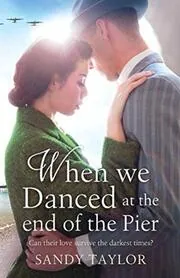
When We Danced at the End of the Pier
by Sandy Taylor
2017
Maureen O'Connell comes of age in Brighton as friendship, first love and family worries shape her youth. Then war arrives, scattering the people she depends on and forcing her to find hope in the darkest years.
Brighton Girls Trilogy books in chronological order
Series background & context
The Brighton Girls Trilogy is a set of linked historical novels built around Brighton and the people who grow up there. These are character-led stories about friendship, family strain, first love, heartbreak and the way a familiar place can hold both comfort and pain. The books are connected by feeling and setting as much as by plot.
The sea is always there.
In When We Danced at the End of the Pier, Taylor goes back to Brighton in 1930 and follows Maureen O'Connell from girlhood into the years when war changes everything. Jack and Nelson are central to her world, and the book carries that mix Taylor handles well: affection, longing, loss and the sense that ordinary lives are being reshaped by events far bigger than any one family.
The Girls from See Saw Lane shifts forward to 1963 and brings the focus to Dottie and Mary, two best friends who have been side by side since childhood. They are now shop girls at Woolworths, full of plans and starting to feel the pull of adult life. Romance, family pressure and an unintended betrayal test a friendship that once seemed unbreakable. Counting Chimneys then returns to Dottie in 1969, when a trip back to Brighton forces her to face first love Ralph Bennett and the shared hurt she thought she had left behind.
These books are linked less by cliffhangers than by mood, place and emotional DNA.
Brighton matters here in a very practical way. Taylor uses its streets, shops, sea air and pier not just as backdrop but as part of the characters' lives. The setting gives the trilogy a strong working-class texture. People worry about jobs, money, family duty and respectability, even while they are chasing happiness or trying to repair old mistakes.
One useful thing to know is that this is a linked trilogy, not a single continuous saga built around one mystery. Each novel has its own emotional center, but later books gain extra weight when you already know the earlier friendships, losses and loyalties. That makes the series easy to dip into, while still rewarding readers who want the full picture.
The tone is emotional historical saga rather than mystery or high-stakes adventure. The real pull comes from relationships: best friends growing apart and back together, old loves resurfacing, families carrying grief, and young women trying to make decent lives for themselves. If you like historical fiction that stays close to everyday detail and gives as much room to laughter as it does to tears, this series fits nicely.
Across all three books, Taylor keeps coming back to the same question: who will still be standing beside you when life stops being simple? That is what gives these Brighton stories their warmth, and their sting.












Edited by
Software engineer whose passion for tracking book recommendations from podcasts inspired the creation of MRB.
Lead investor at 3one4 Capital whose startup expertise and love for books helped shape MRB and its growth.
Comments
Did we miss something? Have feedback?
Help us improve this page by sharing your thoughts