
Sancti Trilogy Books in Order
Part ofSimon Toyne Books in OrderExplore the Sancti Trilogy by Simon Toyne in order, with brief summaries, series background, reading order, and a clear guide to where to begin.
Last updated:
As an Amazon Associate, we earn from qualifying purchases (at no extra cost to you).
Sancti Trilogy books in publication order
3 books
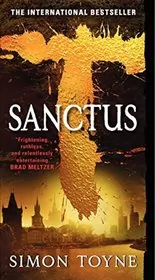
Sanctus
by Simon Toyne
2011
When a man jumps from the ancient Citadel in the Turkish city of Ruin, journalist Liv Adamsen is pulled into the mystery of her brother's death. What begins as a shocking public act opens onto a buried religious conspiracy with world-shaking consequences.
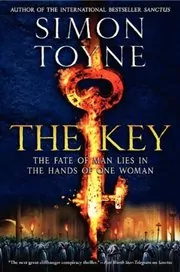
The Key
by Simon Toyne
2012
Liv Adamsen wakes in Ruin with her memory gone and the sense that she is the key to something ancient. Hunted by forces from the Citadel, the desert, and Rome, she and Gabriel Mann are swept into a relentless chase toward a revelation with global stakes.
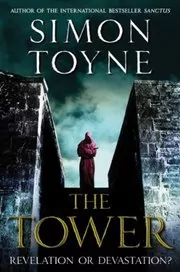
The Tower
by Simon Toyne
2013
The gates of the Citadel open for the first time, and what lies inside threatens far more than Ruin. As disease spreads and conspiracies tighten, Liv Adamsen, Gabriel Mann, and FBI agent Joe Shepherd are pulled toward a crisis that could change everything.
Sancti Trilogy books in chronological order
Series background & context
The Sancti Trilogy is where Simon Toyne began as a novelist, and it still feels like the blueprint for the kind of thriller he likes best, big, cinematic, and driven by a secret that reaches back centuries. The story opens in Sanctus with a public death at the Citadel, an ancient stronghold in the Turkish city of Ruin. That single act pulls journalist Liv Adamsen toward the truth about her brother, the Citadel, and a history that has been guarded for a very long time.
Ruin is the sort of setting that does half the work for the series. The city lives in the shadow of the Citadel, and the Citadel itself feels part monastery, part fortress, part prison, part archive of things the wider world was never meant to know. Toyne uses that place well. Ancient stone, tunnels, rituals, crowds, cameras, and modern news coverage all crash into each other, which gives the trilogy its mix of old mystery and present-day panic.
Nothing in these books stays local for long.
After Sanctus lays the groundwork, The Key turns the story outward. Liv survives, but she is left with missing memories and the sense that she matters to far more people than she understands. Factions in the Citadel want her back. A mercenary wants what she may unlock. Powers in Rome see her as a threat. As Liv and Gabriel Mann move across continents, the series leans harder into pursuit, conspiracy, and the idea that one hidden truth can shake entire institutions.
By The Tower, the scale has grown again. The Citadel opens. A deadly disease spreads. Gabriel may hold the answer to stopping it, while Liv faces a future she never asked for and FBI agent Joe Shepherd starts following a connected mystery in the United States. This last book keeps the religious and historical material in play, but it also pushes the trilogy toward outbreak thriller and end-of-days suspense without losing sight of the characters caught in the middle.
What links all three books is the tension between faith, power, history, and identity. Liv is not just a witness to the mystery, she is bound up in it. Gabriel brings the human cost into focus. The brotherhood inside the Citadel, the forces circling Rome, and the people trying to control the truth all keep the pressure high. These novels are full of motion, but they are really about who gets to tell the oldest story in the world.
If you want a thriller series with ancient secrets, global pursuit, religious conspiracy, and cliffhanger energy, this is the one most readers start with. Read Sanctus, then The Key, then The Tower, because the trilogy is very much one long story.










Edited by
Software engineer whose passion for tracking book recommendations from podcasts inspired the creation of MRB.
Lead investor at 3one4 Capital whose startup expertise and love for books helped shape MRB and its growth.
Comments
Did we miss something? Have feedback?
Help us improve this page by sharing your thoughts