
Rumpole of the Bailey Books in Order
Part ofJohn Mortimer Books in OrderFind every Rumpole of the Bailey book by John Mortimer in order, with story summaries, character notes, series background and guidance on the best place to start with Horace Rumpole.
Last updated:
As an Amazon Associate, we earn from qualifying purchases (at no extra cost to you).
Rumpole of the Bailey books in publication order
22 books
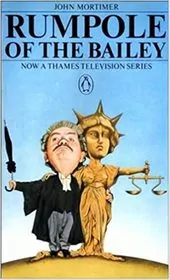
Rumpole of the Bailey
by John Mortimer
1978
This first collection introduces Horace Rumpole, Old Bailey barrister, defender of small‑time crooks and awkward innocents, as he battles judges, police and his own chambers in a run of witty courtroom stories set in 1970s London.
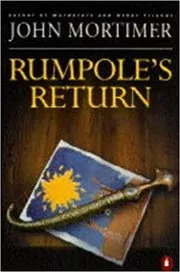
Rumpole’s Return
by John Mortimer
1980
Bored and sunburnt in Florida retirement, Rumpole seizes on a letter about a tricky murder case in England as his escape route. Back in London he must fight chambers politics and a hostile judge to prove he is not ready to hang up his wig.
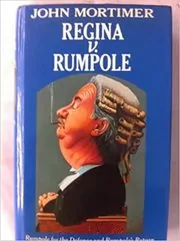
Regina V. Rumpole
by John Mortimer
1981
Drawing on early television scripts, this collection sees Rumpole tackle cases involving refugees, contested wills, expert witnesses and an unusually seasonal prosecution, all told in his sardonic voice as he needles the Crown and protects awkward clients.
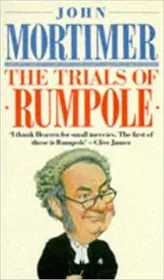
The Trials of Rumpole
by John Mortimer
1981
Six linked stories find Rumpole defending a shoplifting clergyman, actors at war backstage, wayward lovers and more, while grumbling about judges and wondering if his own forced retirement may be closer than he would like.
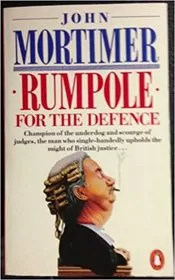
Rumpole for the Defence
by John Mortimer
1982
Here Rumpole is firmly on the side of the accused, from suspected killers to petty fraudsters, relying on cross‑examination, instinct and a sceptical eye for authority as he exposes shaky evidence and legal humbug in a series of brisk tales.
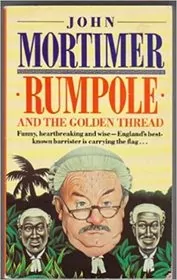
Rumpole and the Golden Thread
by John Mortimer
1983
These stories send Rumpole from familiar London courtrooms into more exotic jurisdictions, testing the ‘golden thread’ of English justice as he defends clients entangled in family loyalties, political intrigue and the old‑boy networks he loves to puncture.
Rumpole for the Prosecution
by John Mortimer
1986
A rare excursion to the other side of the courtroom finds Rumpole briefly acting for the Crown in one of several festive and wintry cases, yet he still cannot resist poking holes in official stories and standing up for the underdog.

Rumpole's Last Case
by John Mortimer
1988
Despite the ominous title, this volume offers another run of Rumpole stories, from winter breaks gone wrong to wine‑tasting contests and official secrets, as he fends off suggestions that it may be time to retire from the bar.
Rumpole and the Age for Retirement
by John Mortimer
1989
A short Rumpole tale in which talk of compulsory retirement swirls around chambers, forcing him to weigh his love of the courtroom against pressure to step aside, even as he battles to save another client from being written off too soon.
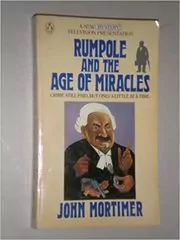
Rumpole and the Age of Miracles
by John Mortimer
1989
In these cases Rumpole confronts media scandals, political reputations, ambitious young barristers and changing social attitudes, testing whether the old virtues of cross‑examination, scepticism and jury trial can survive the so‑called age of miracles.
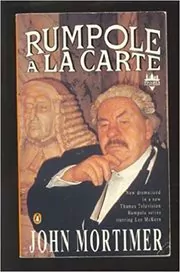
Rumpole a La Carte
by John Mortimer
1991
Rumpole navigates haute cuisine, dubious doctors, surly trade unionists and a disastrous seaside holiday in this collection, proving that whether he is at a fashionable restaurant or on a cruise ship he remains happiest defending awkward clients in court.
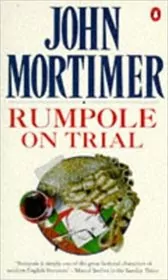
Rumpole on Trial
by John Mortimer
1992
Here Rumpole faces some of his trickiest cases yet, from family feuds to miscarriages of justice, while a disciplinary hearing threatens his own career. The stories balance lively courtroom battles with the sobering prospect that the great defender could be silenced.
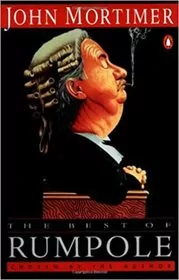
The Best of Rumpole
by John Mortimer
1993
Chosen by Mortimer himself, this sampler gathers his favourite Rumpole stories from the early collections, offering a compact introduction to the Old Bailey hack, his beloved Timson clients and his endless skirmishes with Hilda and the judges.
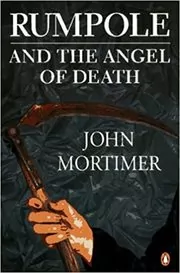
Rumpole and the Angel of Death
by John Mortimer
1995
Later in his career, Rumpole finds himself dealing with hospital scandals, missing children, prison conditions and the rights of suspects, all while trading barbs with Hilda and reflecting on mortality in this thoughtful collection of cases.

Rumpole and the Younger Generation
by John Mortimer
1995
Published here on its own, the story that launched Rumpole sees him defending a young Timson accused of robbery, pitting his faith in juries and experience with wayward youth against the impatience of judges and more cautious colleagues.
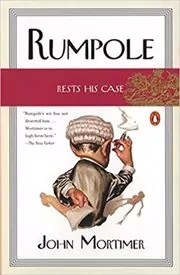
Rumpole Rests His Case
by John Mortimer
2002
An older but scarcely subdued Rumpole confronts familiar villains, new judges and the odd Christmas ghost story, while stories like 'Rumpole and the Old Familiar Faces' show past clients and mistakes circling back into his life.
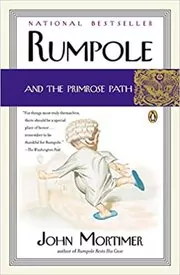
Rumpole and the Primrose Path
by John Mortimer
2003
This collection opens with Rumpole marooned in a nursing home he suspects is up to no good, then returns him to court for cases about privacy, juries and slippery witnesses, blending cosy legal comedy with sharp digs at modern fashions in justice.
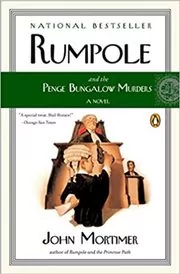
Rumpole and the Penge Bungalow Murders
by John Mortimer
2004
At last telling the case he has dined out on for years, Rumpole looks back to his first major murder trial, defending a young man accused of shooting his father and a family friend, and shows how that victory shaped his career and marriage.
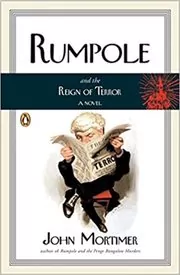
Rumpole and the Reign of Terror
by John Mortimer
2006
In one of his most topical outings, Rumpole defends a Pakistani doctor held without charge under new anti‑terror laws, challenging secret evidence and official panic while Hilda threatens to publish her own candid memoirs of life with him.
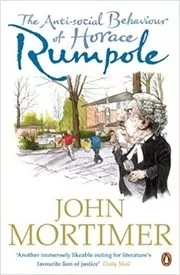
The Anti-Social Behaviour of Horace Rumpole
by John Mortimer
2007
Rumpole finds himself tangling with modern 'anti‑social behaviour' rules, defending neighbours and small‑time offenders caught by sweeping orders and surveillance, and wondering whether a cantankerous old barrister might be branded a nuisance under the new regime.
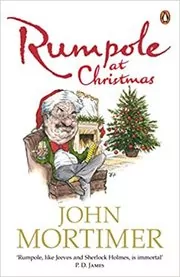
Rumpole at Christmas
by John Mortimer
2009
Seven seasonal stories see Rumpole enduring family rituals, pantomimes and health farms while gratefully seizing any excuse to escape into a case, proving that crime and muddle never quite take a holiday at Christmas.
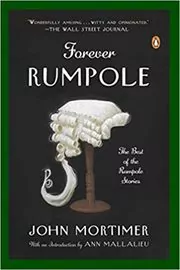
Forever Rumpole
by John Mortimer
2011
This generous selection gathers fourteen of Rumpole’s best cases, chosen from across three decades, and ends with the fragment of a new story found after Mortimer’s death, making it both a perfect introduction and a farewell to the Old Bailey hack.
Rumpole of the Bailey books in chronological order
Series background & context
The Rumpole books follow Horace Rumpole, an ageing defence barrister who spends his working life in London’s Old Bailey and his evenings in a slightly shabby flat in Gloucester Road with his formidable wife, Hilda. He calls himself an Old Bailey hack, yet he clings stubbornly to jury trials, reasonable doubt and the idea that every accused person deserves a proper defence.
Most of the series consists of short story collections, beginning with Rumpole of the Bailey and continuing through volumes like The Trials of Rumpole, Rumpole and the Golden Thread, Rumpole a La Carte, Rumpole on Trial, Rumpole Rests His Case and Rumpole and the Primrose Path. Each book gathers several cases, usually told by Rumpole himself, in which he picks apart police evidence, skewers pompous judges and navigates the quirks of his long‑suffering colleagues in chambers.
Alongside the case‑of‑the‑week stories, Mortimer slowly builds a rich supporting cast. Hilda, unforgettably known as She Who Must Be Obeyed, wants Rumpole to seek promotion and respectability. Head of chambers C. H. Wystan, the earnest Erskine‑Browns, the streetwise Timson clan of petty criminals and a recurring set of judges give the books the feel of a long‑running ensemble comedy. The jokes are broad enough to land quickly, but they sit on top of a lawyer’s precise understanding of how trials actually work.
A few books, such as Rumpole's Return and Rumpole and the Penge Bungalow Murders, are full‑length novels. The latter finally tells the story of the legendary early murder case that Rumpole has been boasting about since the beginning, showing him as an inexperienced young barrister facing a seemingly unwinnable defence. Later, in Rumpole and the Reign of Terror, Mortimer drops his hero into the world of modern anti‑terror laws, asking what happens to civil liberties when fear is running high.
The tone of the series blends comedy and indignation. Rumpole can be vain, obstinate and occasionally selfish, but his instincts are firmly on the side of the awkward, the powerless and the supposed bad lots who drift into his courtroom. The stories often end not with a clever twist so much as a small, humane correction to some larger injustice, whether that means a jury refusing to convict or a judge being quietly embarrassed.
These books began life as television scripts, and it shows in their brisk pacing and strong dialogue. Leo McKern’s performance in the TV series fixed Rumpole’s shambling charm for millions of viewers, while later radio adaptations kept the character alive for new audiences. On the page, though, you get closer to Rumpole’s running commentary on everyone around him, from superiors in wigs to policemen on the make.
You do not have to read the Rumpole books in strict order, but starting with the early collections lets you watch chambers politics, marriages and long‑running feuds evolve over time. However you approach them, the series offers the comforting pleasure of returning to the same chambers, the same wine bar and the same irritable, oddly principled advocate who never quite learns to keep his head down.









Edited by
Software engineer whose passion for tracking book recommendations from podcasts inspired the creation of MRB.
Lead investor at 3one4 Capital whose startup expertise and love for books helped shape MRB and its growth.
Comments
Did we miss something? Have feedback?
Help us improve this page by sharing your thoughts