
Rapstone Chronicles Books in Order
Part ofJohn Mortimer Books in OrderFollow the Rapstone Chronicles by John Mortimer in order, with overviews of Paradise Postponed, Titmuss Regained and The Sound of Trumpets plus series background and reading tips.
Last updated:
As an Amazon Associate, we earn from qualifying purchases (at no extra cost to you).
Rapstone Chronicles books in publication order
3 books
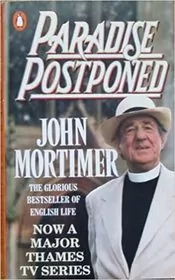
Paradise Postponed
by John Mortimer
1985
When socialist rector Simeon Simcox leaves his brewery fortune to Tory minister Leslie Titmuss instead of his sons, a mystery stretches back over decades of English village life. As Henry and Fred Simcox investigate, rivalries, class tensions and old betrayals surface.
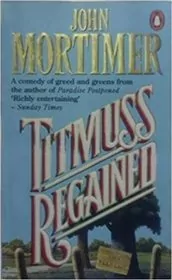
Titmuss Regained
by John Mortimer
1990
Now a cabinet minister with a new wife, Leslie Titmuss returns to Rapstone determined to buy back his late wife’s country house and cement his social standing, only to find his plans snarled in an unpopular property development and local resentment.

The Sound of Trumpets
by John Mortimer
1998
In the final Rapstone novel, idealistic Labour candidate Ned Flitton fights a by‑election while being quietly manipulated by veteran operator Leslie Titmuss. The campaign becomes a sharp comedy about spin, image and the uneasy marriage of principles and power.
Rapstone Chronicles books in chronological order
Series background & context
The Rapstone Chronicles trace several decades of English political and social life through the fortunes of one village, Rapstone, and the people whose lives intersect there. Rather than a single continuous story, the books form a loose trilogy that returns to the same characters as the country around them changes.
The sequence begins with Paradise Postponed, which opens with the death of Simeon Simcox, a socialist rector from a wealthy brewing family. To the astonishment of his sons, Henry and Fred, Simeon’s will leaves the family fortune not to them but to Leslie Titmuss, the ambitious, lower‑class boy who once did odd jobs for the rectory and has since become a hard‑driving Conservative cabinet minister. As Henry and Fred try in different ways to understand this decision, the novel ranges back and forth over thirty years of post‑war Britain, exploring class, religion, education and the pull between public ideals and private compromise.
Titmuss Regained picks up Leslie Titmuss’s story later, after he has climbed to high office and remarried. He returns to Rapstone determined to buy his late first wife’s country house and ensure his place among the local gentry. At the same time, a controversial property development threatens the surrounding countryside. Titmuss’s free‑market beliefs make it hard for him to oppose the scheme openly, even though it endangers the village status he craves. The novel uses his predicament to examine the tensions of Thatcher‑era politics, where nostalgia for a pastoral England coexists uneasily with deregulation and profit.
In The Sound of Trumpets, the focus shifts to a by‑election in a neighbouring constituency during the rise of New Labour. Ned Flitton, a well‑meaning Labour candidate, finds his campaign unexpectedly shaped by the still‑scheming Titmuss, now a peer manoeuvring from the sidelines. The book sends up spin doctors, focus groups and the small hypocrisies of modern campaigning, while showing how old resentments and loyalties from Rapstone’s past continue to exert pressure. The result is both a portrait of a changing political class and a reminder that certain habits of power do not alter much at all.
Across the trilogy, Mortimer keeps circling the same questions: who really benefits from change, what people are willing to trade for security or advancement and how far personal kindness can survive in the worlds of parliament, parish and planning committee. The books are full of clergymen, councillors, civil servants, tabloid readers and country doctors, drawn with enough sympathy that even the most ridiculous figures rarely feel flat.
Readers who enjoy long‑running village sagas will recognise the pleasures here: gossip carried over decades, marriages and alliances that matter as much as any national issue, and a setting that shifts just enough with each book to show time passing. Reading the Rapstone Chronicles in order makes it easier to follow Leslie Titmuss’s rise, fall and afterlife, but each novel still works as a self‑contained story about a particular moment in British public life.
Several of these books were adapted for television, bringing Rapstone’s rectory, brewery and council chambers to the screen, yet the novels offer more room for the interior lives and small hesitations that drive Mortimer’s characters. Taken together, they form a shrewd, often funny, sometimes melancholy look at how politics actually feels from the parish pump upward.



Edited by
Software engineer whose passion for tracking book recommendations from podcasts inspired the creation of MRB.
Lead investor at 3one4 Capital whose startup expertise and love for books helped shape MRB and its growth.
Comments
Did we miss something? Have feedback?
Help us improve this page by sharing your thoughts