
Rumer Godden Books in Order
Explore Rumer Godden books in order, with short summaries, where to start tips, and a guide to her novels, children's books, and memoirs.
Last updated:
As an Amazon Associate, we earn from qualifying purchases (at no extra cost to you).
Rumer Godden books in publication order
68 books
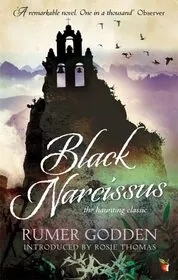
Black Narcissus
by Rumer Godden
1939
A small group of sisters open a school and dispensary in a former palace high in the Himalayas. Isolation, beauty, and buried desire slowly turn their mission into a tense psychological drama.
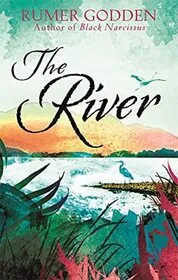
The River
by Rumer Godden
1946
On the banks of a river in Bengal, Harriet feels childhood slipping away as family life, death, and first love change the world around her. It is tender, atmospheric, and quietly shattering.

A Candle for St. Jude
by Rumer Godden
1948
At a London ballet school, the formidable Madame Holbein prepares a major recital. Young dancers, backstage strain, and Ilse's steady faith reveal the discipline and emotional cost behind beauty.

A Breath of Air
by Rumer Godden
1950
On a remote tropical island ruled by Mr. van Loomis, his daughter Charis begins to question the closed world around her when outsiders arrive. It is a tense story of power, desire, and freedom.

The Mousewife
by Rumer Godden
1951
A brave little mouse wants more than crumbs and corners for her family. Her search for a better life becomes a small but adventurous tale about risk, change, and unexpected happiness.
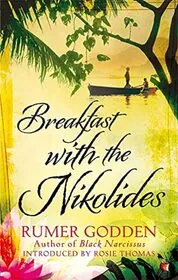
Breakfast with the Nikolides
by Rumer Godden
1952
Emily feels free in India despite her mother's suffocating control. When the death of her beloved dog cracks the family's brittle respectability, private grievances erupt into open conflict.
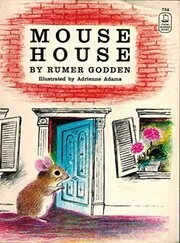
Mouse House
by Rumer Godden
1952
A bold little mouse tries to improve life for her family by finding a better place to live. Godden turns ordinary domestic dangers into a lively miniature adventure.
Impunity Jane
by Rumer Godden
1954
Pocket doll Impunity Jane loves adventure with Gideon and his gang far more than quiet life in a dolls' house. But because she belongs to someone else, every escapade risks losing the life she wants.
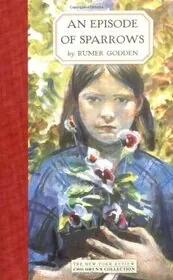
An Episode of Sparrows
by Rumer Godden
1955
In bomb-scarred South London, Lovejoy Mason plants cornflowers in a ruined churchyard and draws other children, and wary adults, into her dream. It is a tender story about beauty and belonging.

Hans Christian Andersen
by Rumer Godden
1955
Godden's brief life of Andersen follows the poor Danish boy who became one of the world's great storytellers. It is an accessible portrait of ambition, loneliness, and imagination.
The Fairy Doll
by Rumer Godden
1956
Young Elizabeth is always in trouble and never measures up beside the other children. Then an old family doll seems to lend her courage, and everyday failures start to feel a little less final.

Mooltiki
by Rumer Godden
1957
This collection brings together stories and poems shaped by India, its places, rhythms, and creatures. It is varied in form, but the atmosphere is unmistakably Godden's.
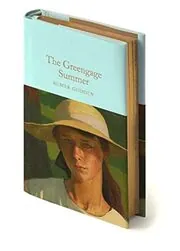
The Greengage Summer
by Rumer Godden
1958
When their mother falls ill on holiday in France, a group of siblings are left in a faded hotel with too much freedom. One hot summer brings desire, deceit, and a sharp end to innocence.
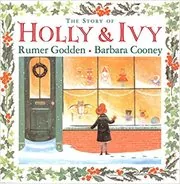
The Story of Holly and Ivy
by Rumer Godden
1958
A doll named Holly longs to be chosen for Christmas, while orphaned Ivy longs for a real home. Their wishes move toward each other in a warm, quietly magical holiday story.

Kingfishers Catch Fire
by Rumer Godden
1959
Sophie settles in a flower-filled Kashmir valley with her two children, hoping for a quiet life. Instead, village rivalries and one servant's desperate plotting build toward disaster.
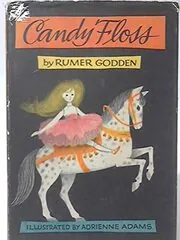
Candy Floss
by Rumer Godden
1960
Candy Floss belongs at a fairground coconut shy with Jack, Nuts the dog, and Cocoa the horse. When a spoiled girl steals her, the little doll must face a new life far from the people who love her.

China Court
by Rumer Godden
1961
Centered on a country house and the Quin family who own it, this novel moves across generations of memory, love, and disappointment. The house itself feels like the keeper of everything they cannot forget.
Saint Jerome and the Lion
by Rumer Godden
1961
Godden retells the old story of Saint Jerome and the wounded lion that becomes his companion. It is a gentle tale about kindness, trust, and the bond between a saint and a wild creature.
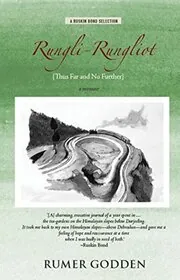
Thus Far and No Further
by Rumer Godden
1961
Drawing on her years in Kashmir, Godden writes a memoir-like account of mountain life, hardship, and inner resolve. It captures a difficult, beautiful period when she was remaking her life with her daughters.
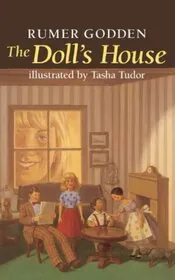
Doll's House
by Rumer Godden
1962
The Plantagenet doll family finally gets the home they long for, but the arrival of proud Marchpane unsettles everything. A classic doll story about belonging, jealousy, and the secret dramas of playrooms.
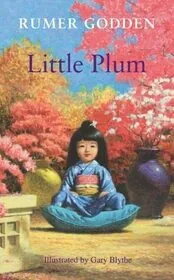
Little Plum
by Rumer Godden
1963
Nona and Belinda are wary of the new girl next door, but the lonely Japanese doll in her window pulls them closer. A story of friendship, jealousy, and the homes children build for one another.
The Battle of the Villa Fiorita
by Rumer Godden
1963
Abandoned by their mother, siblings Michael and Debbie flee to Italy to bring her back from her lover's villa. Their campaign becomes a fierce struggle over love, loyalty, and growing up.
Home is the Sailor
by Rumer Godden
1964
In a Welsh seaside town, a doll who longs for adventure crosses paths with Bertrand, an unhappy French boy sent away from home. Their meeting gives this doll story a wistful pull between freedom and belonging.
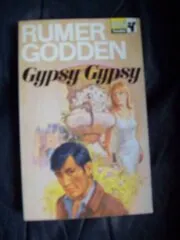
Gypsy, Gypsy
by Rumer Godden
1965
An unhappy woman reaches toward the freedom she imagines in a nearby gypsy camp, only to bring trouble with her. This early novel is sharp about desire, class, and the damage hidden inside romantic fantasy.
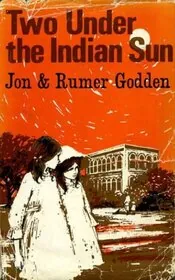
Two Under the Indian Sun
by Rumer Godden
1966
Written with her sister Jon, this memoir recreates their childhood in colonial India with sharp, affectionate detail. It is less a straight autobiography than a vivid return to place, family, and memory.
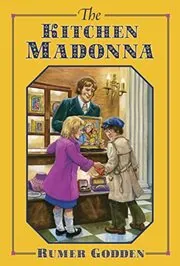
The Kitchen Madonna
by Rumer Godden
1967
Gregory and Janet love their Ukrainian housekeeper, Marta, and worry when they sense how unhappy she is. Their search for a kitchen icon becomes a child-sized mission of loyalty, art, and compassion.

Gone
by Rumer Godden
1968
Published in Britain as Swans and Turtles, this is a collection of stories threaded by loss, memory, and sudden turns of feeling. Godden moves easily between sharp observation and quiet melancholy.

Mrs Manders' Cookbook
by Rumer Godden
1968
Written with Olga Manders, this cookbook mixes practical recipes with the personality of an experienced household cook. Its appeal lies as much in kitchen know-how as in the dishes themselves.

A Fugue in Time
by Rumer Godden
1969
A London house holds several generations of one family, with past, present, and future folding into one another. Godden turns memory and time into an intimate family drama.

In This House of Brede
by Rumer Godden
1969
Successful Philippa Talbot leaves secular London life for a Benedictine abbey, where the hidden richness and strain of enclosed religious life slowly come into view. It is a humane, absorbing novel about vocation and community.

Operation Sippacik
by Rumer Godden
1969
In Cyprus, a village boy and his little donkey are caught up in the tensions of a divided island and the presence of UN troops. Godden keeps the focus close, mixing danger with warmth and humor.

The Lady And The Unicorn
by Rumer Godden
1969
In old Calcutta, the Lemarchant sisters grow up in poverty inside a decaying mansion full of memory and unease. Romance, prejudice, and ghostly atmosphere shape this early novel of Anglo-Indian life.
Raphael Bible
by Rumer Godden
1970
Godden's book presents Bible stories through the visual tradition of Raphael's sacred art. It offers a compact introduction to major scriptural scenes, with image and story closely linked.
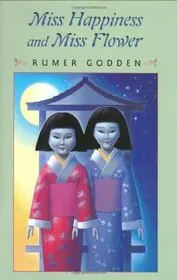
Miss Happiness and Miss Flower
by Rumer Godden
1971
Homesick Nona is sent from India to England and feels out of place in her relatives' house. Two Japanese dolls help her build a home, and slowly find one for herself too.
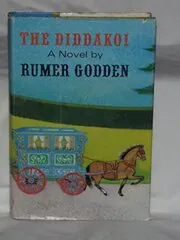
The Diddakoi
by Rumer Godden
1972
Kizzy Lovell has only her gran and horse until loss leaves her alone in a hostile English village. Godden turns her fight for dignity and belonging into a moving story about grief and prejudice.
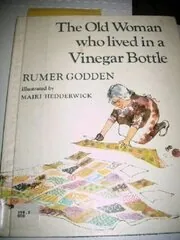
The Old Woman Who Lived in a Vinegar Bottle
by Rumer Godden
1972
In this retelling of a traditional tale, a poor old woman is rewarded for an act of kindness, then tested by the wishes that follow. It is funny, brisk, and sly about greed.
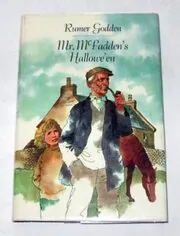
Mr. McFadden's Hallowe'en
by Rumer Godden
1975
A young girl and her pony gradually befriend the grim Mr. McFadden on the Scottish border. What begins as a moody Halloween story becomes a warm tale about loneliness, fear, and unexpected kindness.
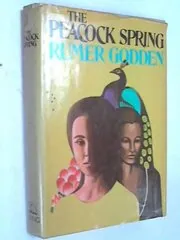
The Peacock Spring
by Rumer Godden
1975
Summoned from school in England to their father's house in Delhi, Una and her sister enter a world of class rules, family strain, and dangerous feeling. Una's awakening is bound up with India itself.
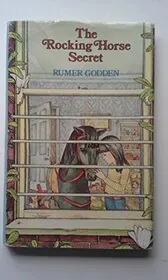
The Rocking Horse Secret
by Rumer Godden
1977
Tibby knows a secret hidden in the grand house where her mother works, but saying it aloud could change everything. With Noble the rocking horse waiting upstairs, this is a suspenseful story about silence and courage.
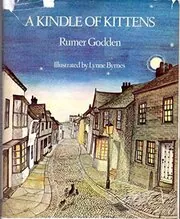
A Kindle of Kittens
by Rumer Godden
1978
When Cat has four kittens, the problem is not love but where each one will belong. A simple, tender animal story about finding the right homes.
The Butterfly Lions
by Rumer Godden
1978
This non-fiction picture book traces the Pekingese through history, legend, and art. Godden turns the breed's long story into something lively, affectionate, and easy to follow.
Five for Sorrow, Ten for Joy
by Rumer Godden
1979
In Paris, a convent reaches out to women from a nearby prison and the city's sex trade. Godden writes about repentance and mercy without losing sight of fear, shame, and ordinary human need.
Gulbadan
by Rumer Godden
1980
Godden brings the Mughal princess Gulbadan Begum to life in a short historical portrait. It is a graceful introduction to court life, family power, and one woman's place inside imperial history.
Take Three Tenses
by Rumer Godden
1980
This is the US title of A Fugue in Time, Godden's layered novel about a London house and the family lives gathered inside it. Past, present, and future flow together in one intimate story.

The Dark Horse
by Rumer Godden
1981
Set in India in the last days of the Raj, this short novel tells the true-based story of a neglected racehorse and the people around him. It is part animal story, part portrait of a changing world.
The Dragon of Og
by Rumer Godden
1981
A peaceful, luck-bringing dragon faces trouble when a new lord decides old arrangements must end. This witty fairy-tale quarrel becomes a battle of stubbornness and common sense.
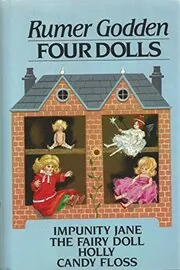
Four Dolls
by Rumer Godden
1983
This collection gathers four doll stories, Impunity Jane, The Fairy Doll, The Story of Holly and Ivy, and Candy Floss. It is a good way into Godden's miniature world of wishes, mishaps, and loyalty.
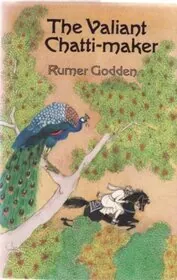
The Valiant Chatti-Maker
by Rumer Godden
1983
A humble potter stumbles into fame when he accidentally captures the tiger terrorizing his village. Godden retells the Indian folktale with humor and a sharp eye for luck, fear, and bragging.
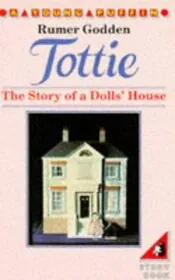
Tottie
by Rumer Godden
1983
This is another title for The Dolls' House, the story of the Plantagenet dolls, sensible Tottie, and proud Marchpane. Behind the playroom setting lies a sharp, memorable tale about love, status, and home.

Mouse Time
by Rumer Godden
1984
This volume pairs Mouse House and The Mousewife, two mouse adventures about bold small creatures trying to change their fortunes. It is a neat entry point into Godden's gentler animal stories.
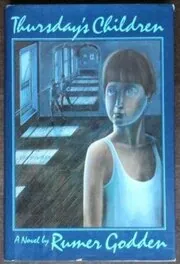
Thursday's Children
by Rumer Godden
1984
Doone Penny, the youngest child in a crowded London family, discovers he was born to dance. His fight to follow ballet, despite family doubts and class limits, makes for a moving coming-of-age story.
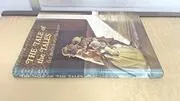
The Tale Of The Tales
by Rumer Godden
1985
Godden tells the story behind the Beatrix Potter Ballet and the world of Potter's characters on stage. It works as a small backstage history as well as a tribute to the original tales.
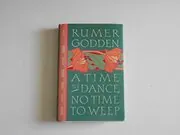
A Time to Dance, No Time to Weep
by Rumer Godden
1987
In the first volume of her memoirs, Godden writes about childhood, India, her dance school, marriage, and the years up to the mid-1940s. The tone is vivid, candid, and full of place.
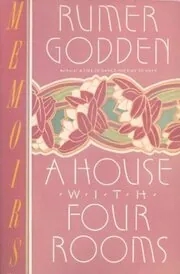
A House With Four Rooms
by Rumer Godden
1989
This second memoir follows Godden through later adulthood, writing life, belief, and the homes that shaped her. It reads like a continuation of her life story told through places as much as events.
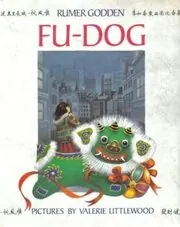
Fu-Dog
by Rumer Godden
1989
A child and a carved Chinese guardian lion become the center of a quietly magical story about fear, comfort, and imagination. Godden keeps it small in scale, but full of feeling.

Indian Dust
by Rumer Godden
1989
Written with Jon Godden, this collection returns to India in stories marked by memory, atmosphere, and human oddity. The sisters' shared material gives the book a strong sense of place.

Mercy, Pity, Peace, and Love
by Rumer Godden
1989
Co-written with Jon Godden, this collection brings together stories about family strain, moral choice, and the fragile ways people care for one another. The title hints at the book's emotional range.
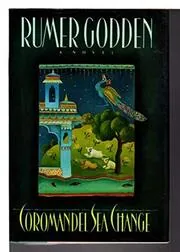
Coromandel Sea Change
by Rumer Godden
1991
At Patna Hall on India's Coromandel coast, honeymooners, political operatives, tourists, servants, and locals collide over the course of one charged week. The hotel setting lets Godden mix comedy, atmosphere, and sudden danger.

Great Grandfather's House
by Rumer Godden
1992
Spoiled Keiko is sent to the country to stay with her great-grandparents and cousin, where slower rhythms begin to work on her. It is a gentle story about family, beauty, and growing into better habits.
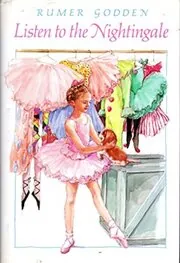
Listen to the Nightingale
by Rumer Godden
1992
Orphaned Lottie wins a place at a top ballet school just as her love for a puppy makes leaving home almost unbearable. Godden balances ambition, friendship, and homesickness with real tenderness.

Pippa Passes
by Rumer Godden
1994
Pippa joins a British ballet company visiting Venice and is swept into art, music, admiration, and romantic confusion. The city glows, but the book stays alert to how quickly innocence can be tested.

A Pocket Book of Spiritual Poems
by Rumer Godden
1996
This anthology gathers short religious and devotional poems chosen for reflection and rereading. It is a compact, meditative selection rather than a single-author work.
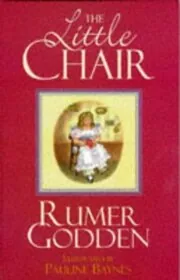
The Little Chair
by Rumer Godden
1996
A little chair passes through five generations of children, holding their bodies and their stories. It is a quiet book about family continuity, memory, and the objects that outlast us.
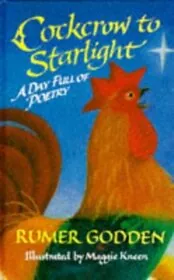
Cockcrow To Starlight
by Rumer Godden
1997
This anthology gathers poems for schools and young readers across the span of a day. Godden's selection is broad, musical, and meant to be read aloud.
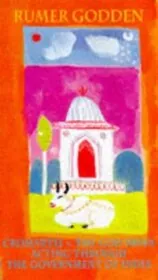
Cromartie Vs the God Shiva
by Rumer Godden
1997
In her last novel, Godden returns to India with a story that sets practical British habits against local belief and mystery. The result is a sly, late-career book about culture, ego, and the limits of control.

Premlata and the Festival of Lights
by Rumer Godden
1997
Premlata's family is too poor to celebrate Diwali after selling their lamps for food. Her effort to bring light back into the house turns this into a hopeful story about ingenuity, love, and festival joy.
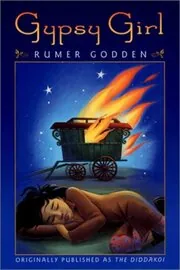
Gypsy Girl
by Rumer Godden
2002
This is the later title of The Diddakoi. Kizzy, orphaned and mistrusted, must survive grief and prejudice in an English village while holding on to her own sense of self.

The Fairy Doll and Other Tales from the Doll's House
by Rumer Godden
2012
This omnibus collects seven of Godden's best-loved doll stories, including The Fairy Doll, The Story of Holly and Ivy, Doll's House, Miss Happiness and Miss Flower, Little Plum, Impunity Jane, and Candy Floss.
Where to start with Rumer Godden
If you want the best-known India novels: Black Narcissus → The River → The Peacock Spring
If you want family tension and coming-of-age: The Greengage Summer → An Episode of Sparrows → The Battle of the Villa Fiorita
If you want spiritual and convent fiction: In This House of Brede → Five for Sorrow, Ten for Joy
If you want children's classics: The Story of Holly and Ivy → Doll's House → Miss Happiness and Miss Flower → The Diddakoi
If you want ballet stories: A Candle for St. Jude → Thursday's Children → Listen to the Nightingale
Rumer Godden collections, short stories, and related book types
Collections
Non-Fiction
Standalone Rumer Godden books
Author bio
Rumer Godden was born Margaret Rumer Godden in Eastbourne, Sussex, on December 10, 1907, but the place that shaped her most was India. Her father worked for a river shipping company, and she grew up for long stretches in Narayanganj, then part of Bengal. The pull between England and India stayed with her for the rest of her life, and it runs through book after book.
That split beginning mattered.
As a girl, Godden was sent back and forth between India and England for school, which left her with a sharp eye for outsiders, children, and people who never quite fit. She trained as a dancer in England, then returned to Calcutta in 1925. There she opened a dance school for both Indian and British children, and ran it for about twenty years with help from her sister Nancy. Writing grew alongside that life, not apart from it.
Her early adult years were hard. Marriage was unhappy, money was often tight, and there were long stretches when she was raising her daughters under pressure. But those years also fed the work. Black Narcissus, published in 1939, was her breakout success, and it showed what she could do so well: take a beautiful place, put people under strain inside it, and let desire, belief, and loneliness do the rest.
India never left her books.
You can feel it in The River, where childhood on the banks of a Bengal river becomes tender and unsettling at the same time. You can feel it again in The Peacock Spring, and in later works like The Dark Horse and Coromandel Sea Change. Godden wrote India through weather, smell, food, ritual, and the push and pull between people living close together but not always understanding one another.
She could also be wonderfully exact about children. Her doll books, especially The Dolls' House, The Story of Holly and Ivy, and Miss Happiness and Miss Flower, treat toys and childhood feeling with complete seriousness. That is part of why they last. She understood how fierce children's hopes can be, and how large small worlds feel from the inside.
Then there is the religious fiction. Godden was drawn for years to Catholic life and was eventually received into the Roman Catholic Church in 1968. That interest led to two of her most loved adult novels, In This House of Brede and Five for Sorrow, Ten for Joy. What makes those books work is not piety for its own sake. It is her attention to work, routine, personality, doubt, and the ordinary frictions inside communities built around belief.
She kept moving between kinds of books. There are ballet novels such as A Candle for St. Jude and Thursday's Children. There are memoirs, especially A Time to Dance, No Time to Weep and A House with Four Rooms. There are collaborations with her sister Jon, children's stories, poems, cookery, history, and biography. Nine of her books were adapted for film or television, The Diddakoi won the Whitbread Award for Children's Literature in 1972, and in 1993 she was appointed OBE.
In later life she lived for a time at Lamb House in Rye, then moved to Moniaive in southwest Scotland to be near family. She kept writing into old age, publishing Cromartie vs the God Shiva in 1997, a year before her death in 1998. By then she had written more than sixty books.
What stays with many readers is the range. Godden could write a convent, a Kashmir valley, a London street, a toy shop at Christmas, or a child building a house for two Japanese dolls, and make each one feel fully lived in. Her books are often quiet on the surface. Underneath, they are alert to longing, class, faith, homesickness, cruelty, and the stubborn wish to belong.











Edited by
Software engineer whose passion for tracking book recommendations from podcasts inspired the creation of MRB.
Lead investor at 3one4 Capital whose startup expertise and love for books helped shape MRB and its growth.
Comments
Did we miss something? Have feedback?
Help us improve this page by sharing your thoughts