
Rome Books in Order
Part ofSteven Saylor Books in OrderThis page lists Steven Saylor's Rome trilogy, Roma, Empire, and Dominus, in order with brief summaries, series background, and guidance on how to read the saga.
Last updated:
As an Amazon Associate, we earn from qualifying purchases (at no extra cost to you).
Rome books in publication order
3 books
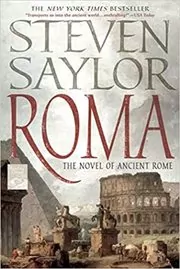
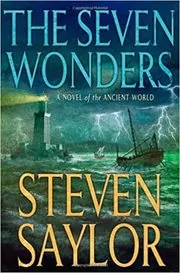
Roma
by Steven Saylor
2007
Following intertwined branches of the Potitius and Pinarius families, Roma sweeps from the swampy trading post on the Tiber through kings, early wars, Hannibal's threat, and the fall of the Republic, showing how one small settlement becomes a world power.
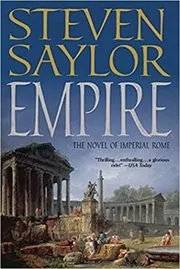
Empire
by Steven Saylor
2010
In Empire, successive generations of the Pinarius family serve and survive emperors from Augustus to Hadrian, enduring court intrigues, volcanic eruptions, persecutions, and rebuilding after disasters while trying to keep their honor and line intact.
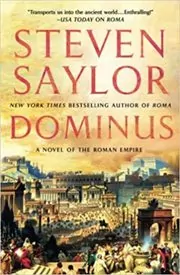
Dominus
by Steven Saylor
2021
The final Rome novel continues the Pinarius saga from the high point of Marcus Aurelius's reign through plagues, barbarian invasions, military coups, and the rise of Christianity, ending with Constantine and a city, and faith, transformed.
Rome books in chronological order
Series background & context
The books collected as the Rome series, Roma, Empire, and Dominus, are Saylor's big panoramic take on the city that anchors so much of his fiction. Instead of following a single sleuth, they trace one extended family across more than a millennium of Roman history.
In Roma the story begins long before there is a formal city, when the Tiber crossing is only a trading place and the myths of Romulus, Remus, and the she wolf still feel close at hand. As the generations of the Potitius and Pinarius families rise and fall, readers witness wars with neighboring tribes, the struggle between patricians and plebeians, Hannibal's invasion, and the slow erosion of the old Republic.
Empire picks up with the early emperors and follows the Pinarii as they serve, advise, and sometimes outlast rulers from Augustus to Hadrian. Through their eyes the novels visit the court of Tiberius, the violent theatrics of Caligula and Nero, the eruption of Vesuvius, the Great Fire of Rome, and the opening spectacles of the Colosseum. Private choices about loyalty, ambition, and survival are never far from the great public events.
Dominus carries the family into a more precarious age, starting under Marcus Aurelius and running through plagues, civil wars, and the pressures of barbarian invasions. As emperors come and go with dizzying speed, the Pinarii try to keep their workshop alive and their loved ones safe while the balance of power slowly tilts toward a new faith. The book closes with Constantine and the moment when Christianity becomes an imperial force.
Structurally, the Rome novels leap forward by decades or generations at a time. Saylor uses a recurring talisman, the fascinum, to link branches of the family and remind readers that certain fears, hopes, and superstitions endure even as laws, gods, and emperors change. Major battles and turning points are present, but the focus often narrows to domestic scenes: a priest reading omens, an artist carving a statue, a parent wondering what kind of empire a child will inherit.
For readers who enjoy the ground-level immediacy of the Gordianus mysteries, the Rome trilogy offers a wide-angled companion view. It shows how the world around those street-level crimes was built, expanded, shaken, and finally remade.


Edited by
Software engineer whose passion for tracking book recommendations from podcasts inspired the creation of MRB.
Lead investor at 3one4 Capital whose startup expertise and love for books helped shape MRB and its growth.
Comments
Did we miss something? Have feedback?
Help us improve this page by sharing your thoughts