
Robert T Kiyosaki Books in Order
Explore Robert T Kiyosaki books in order, with Rich Dad guides, short summaries, and pointers on where to start with his finance and investing classics.
Last updated:
As an Amazon Associate, we earn from qualifying purchases (at no extra cost to you).
Robert T Kiyosaki books in publication order
45 books
If You Want To Be Rich & Happy Don't Go To School
by Robert T Kiyosaki
1992
If You Want To Be Rich & Happy Don't Go To School questions whether traditional education prepares people for financial reality. Kiyosaki argues that families need to supplement school with money skills, and offers principles and exercises for building security outside the standard career track.
Rich Dad Poor Dad
by Robert T Kiyosaki & Sharon L. Lechter
1997
Rich Dad, Poor Dad contrasts the money lessons Kiyosaki says he learned from his poor biological father and his rich mentor. Through simple stories he explains assets versus liabilities, cash flow, and why working only for a paycheck rarely leads to lasting wealth.
Recommended by
3 people Will Smith recommended this book
Will Smith
Will Smith mentioned sharing this book with his son.
Will Smith's recommendation of this book  Anthony Pompliano recommended this book
Anthony Pompliano
"My favorite book of all time." - Anthony Pompliano
Anthony Pompliano's recommendation of this book  Patrick Bet-David recommended this book
Patrick Bet-David
Patrick Bet-David recommended this book on his website.
Patrick Bet-David's recommendation of this book
Rich Dad's Classics
by Sharon L. Lechter & Robert T Kiyosaki
1997
Rich Dad's Classics is a boxed set that combines three key titles—Rich Dad, Poor Dad, Rich Dad's Cashflow Quadrant, and Rich Dad's Guide to Investing. It offers a compact way to work through the core Rich Dad philosophy from first lesson to investing basics.
Rich Dad's CASHFLOW Quadrant
by Robert T Kiyosaki
1998
Rich Dad's Cashflow Quadrant introduces the four ways people earn money—employee, self‑employed, business owner, and investor—and explains why Kiyosaki favors the right side of the quadrant. He walks readers through the mindset shifts and skills needed to move toward business and investment income.
Rich Dad's Guide to Becoming Rich without Cutting Up Your Credit Cards
by Robert T Kiyosaki
2000
Rich Dad's Guide to Becoming Rich without Cutting Up Your Credit Cards pushes back on the idea that getting out of debt is always the goal. Kiyosaki distinguishes between good and bad debt, shows how credit can buy assets, and offers strategies for cleaning up destructive borrowing.
Rich Dad's Guide to Investing
by Robert T Kiyosaki & Sharon L. Lechter
2000
Rich Dad's Guide to Investing explains what Kiyosaki sees the rich investing in—and how they think—versus the average saver. He covers basic rules of investing, ways to reduce risk through education and controls, and how to build or buy businesses that become true assets.
Retire Young Retire Rich
by Robert T Kiyosaki & Sharon L. Lechter
2001
Retire Young Retire Rich revisits the idea that time and leverage matter more than a high salary. Kiyosaki explains how small deals, steady education, and compounding cash flow can, over years, create enough passive income to cover living costs and free up your time.
Rich Dad Poor Dad for Teens
by Robert T Kiyosaki & Sharon L. Lechter
2001
Rich Dad Poor Dad for Teens repackages the original Rich Dad story for younger readers. With quizzes, sidebars, and teen‑friendly examples, it explains basic money vocabulary, introduces cash flow and assets, and suggests small ways teens can start earning and managing their own money.
Rich Dad's Retire Young, Retire Rich
by Robert T Kiyosaki & Sharon L. Lechter
2001
Rich Dad's Retire Young, Retire Rich recounts how Kiyosaki and his wife Kim aimed to retire in their 40s by aggressively building assets. The book focuses on leverage, mindset, and long‑term planning for readers who want financial independence earlier than traditional retirement age.
Rich Dad's Rich Kid, Smart Kid
by Robert T Kiyosaki
2001
Rich Dad's Rich Kid, Smart Kid speaks directly to parents who want to give children a financial head start. Kiyosaki contrasts academic smarts with financial intelligence and offers exercises, stories, and financial field trips families can use to build their kids’ money confidence.
Rich Dad's The Business School
by Robert T Kiyosaki & Sharon L. Lechter
2001
Rich Dad's The Business School expands on why Kiyosaki believes network marketing can be a training ground for entrepreneurs. Rather than pitching a specific company, he emphasizes learning to present, lead, and support others while building a residual‑income business around a product line.
Rich Kid Smart Kid
by Robert T Kiyosaki & Sharon L. Lechter
2001
Rich Kid Smart Kid focuses on helping parents teach children how money works in the real world. Kiyosaki explains multiple kinds of intelligence, shows why financial IQ matters, and suggests games and conversations that can turn everyday life into a classroom for money skills.
The Business School For People Who Like Helping People
by Robert T Kiyosaki
2001
The Business School For People Who Like Helping People introduces Kiyosaki’s view of network marketing as a business school with a heart. He outlines eight hidden values of building a referral network, from leadership and communication practice to low‑cost business education and teamwork.
Rich Dad's Prophecy
by Robert T Kiyosaki
2002
Rich Dad's Prophecy links demographic shifts, retirement laws, and underfunded pensions to what Kiyosaki sees as an inevitable market crisis. He explains how changes in retirement plans and a lack of financial education could hurt savers, then outlines ways investors might prepare and profit.
Rich Dad's Success Stories
by Robert T Kiyosaki
2003
Rich Dad's Success Stories gathers real‑life case studies from people who applied Rich Dad principles to change their finances. The contributors describe how they moved out of debt, built small businesses, or invested in real estate after rethinking money the way Kiyosaki suggests.
Rich Dad's Alchemy
by Sharon L. Lechter & Robert T Kiyosaki
2004
Rich Dad's Alchemy builds on earlier Rich Dad lessons about turning ordinary earned income into lasting wealth. Kiyosaki discusses mindset, deal‑making, and leverage, and encourages readers to combine financial education with action so their cash flow can gradually replace their paycheck.
Rich Dad's Who Took My Money?
by Sharon L. Lechter & Robert T Kiyosaki
2004
In Rich Dad's Who Took My Money? Kiyosaki challenges traditional advice to buy, hold, and diversify in mutual funds. He explains why he prefers faster‑moving investments and higher cash‑flow assets, and stresses the importance of financial education over blind trust in financial planners.
Rich Dad's Before You Quit Your Job
by Robert T Kiyosaki
2005
Rich Dad's Before You Quit Your Job offers ten lessons for employees who want to become entrepreneurs. Kiyosaki covers testing ideas, writing a business plan, assembling a team, raising capital, and coping with fear so readers don’t leap into business unprepared.
Rich Dad's Escape from the Rat Race
by Robert T Kiyosaki
2005
Rich Dad's Escape from the Rat Race is a full‑color comic that follows Timid T. Turtle as he learns about money from his friend Red E. Rat. Through simple panels and examples, kids are introduced to working for money, buying assets, and leaving the rat race.
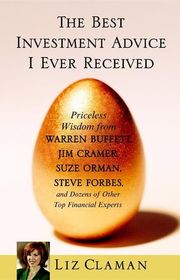
The Best Investment Advice I Ever Received
by Liz Claman & Robert T Kiyosaki
2006
Financial journalist Liz Claman collects practical investing lessons from prominent investors, executives, and financial commentators, including Robert T. Kiyosaki. The short contributions address foundational topics such as risk, research, saving, market behavior, and developing a disciplined approach to investing.
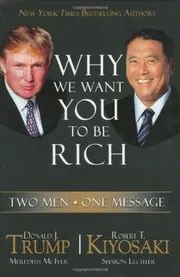
Why We Want You To Be Rich
by Donald Trump, Robert T Kiyosaki & Donald J Trump
2006
Donald Trump and Robert T Kiyosaki warn that the middle class is shrinking and traditional advice no longer works. They urge readers to study money, build businesses, and invest in real assets so cash flow, not wages alone, supports their future.
Rich Brother Rich Sister
by Robert T Kiyosaki & Emi Kiyosaki
2008
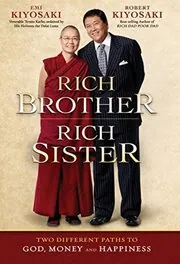
Rich Brother Rich Sister is a joint memoir by Robert Kiyosaki and his sister, Buddhist nun Emi Kiyosaki. In alternating chapters they trace very different paths through war, business, activism, and spiritual practice, and reflect on how money, faith, and purpose intersect in their lives.
Rich Dad's Guide to Raising Your Child's Financial I.Q.
by Robert T Kiyosaki
2008
Rich Dad's Guide to Raising Your Child's Financial I.Q. focuses on teaching money skills at home. Kiyosaki and his collaborators suggest age‑appropriate ways for families to talk about earning, saving, giving, and investing so children grow up comfortable handling cash flow and choices.
Rich Dad's Increase Your Financial IQ
by Robert T Kiyosaki
2008
Rich Dad's Increase Your Financial IQ breaks financial intelligence into five areas: making money, protecting it, budgeting, leveraging, and improving your information. Kiyosaki shows how small improvements in each category compound over time and can matter more than a high salary.
Rich Dad's Plan for Financial Success
by Robert T Kiyosaki
2008
Rich Dad's Plan for Financial Success bundles Rich Dad, Poor Dad, Rich Dad's Cashflow Quadrant, and Rich Dad's Guide to Investing. It offers the core Rich Dad story, the quadrant framework, and Kiyosaki’s basic investing rules in one volume for readers who want the full progression.
Rich Dad's Conspiracy of the Rich
by Robert T Kiyosaki
2009
Rich Dad's Conspiracy of the Rich presents Kiyosaki’s view of a rigged financial system built around taxes, debt, and paper assets. Written partly as an online project, it combines history, reader feedback, and Rich Dad concepts to explain why he favors real estate and hard assets.
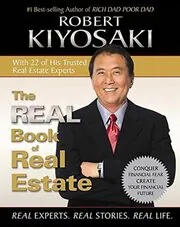
The Real Book of Real Estate
by Robert T Kiyosaki
2009
The Real Book of Real Estate collects chapters from Kiyosaki and a group of experienced investors covering everything from finding deals to financing, tax strategy, due diligence, and property management. It’s meant as a practical toolkit for building long‑term wealth through real estate.
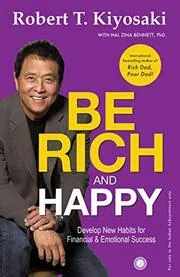
Be Rich And Happy
by Robert T Kiyosaki
2010
Be Rich And Happy revisits Kiyosaki’s early message that school rarely prepares people for real‑world money decisions. With coauthor Hal Zina Bennett, he helps readers unlearn limiting beliefs from the classroom and build new mental habits for financial security and emotional well‑being.
Awaken Your Child's Financial Genius
by Robert T Kiyosaki
2012
Awaken Your Child's Financial Genius is aimed at parents who want money lessons to start at home. Kiyosaki outlines conversations, games, and real‑world experiences that can help kids see the difference between assets and liabilities and start thinking like young investors.
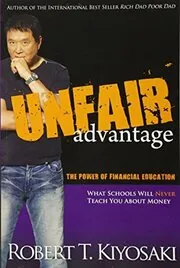
Unfair Advantage
by Robert T Kiyosaki
2012
Unfair Advantage argues that the biggest edge you can have is strong financial education. Kiyosaki explains how knowledge about taxes, debt, assets, and markets lets ordinary investors find opportunities, manage risk, and structure deals in ways most savers and employees never see.
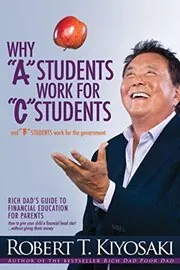
Why "A" Students Work for "C" Students and "B" Students Work for the Government
by Robert T Kiyosaki
2012
In this book Kiyosaki critiques the school system through his Cashflow Quadrant lens. He suggests that straight‑A students are trained for stable jobs, while many entrepreneurs and investors learn differently, and offers parents ideas for teaching financial skills alongside traditional homework.
8 Lessons in Leadership
by Robert T Kiyosaki
2014
Drawing on his military background and business career, Kiyosaki distills eight leadership lessons for entrepreneurs. He focuses on mission, discipline, respect, speed, and communication, and shows how strong leaders build teams, sell their vision, and keep moving even when conditions are uncertain.
Rich Dad Poor Dad for College Students
by Robert T Kiyosaki
2014
Rich Dad Poor Dad for College Students adapts Rich Dad principles for life before, during, and after college. Kiyosaki talks about student loans, majors, part‑time businesses, and early investing, encouraging students to think like owners instead of assuming a degree guarantees security.
8 Rich Dad Scams
by Robert T Kiyosaki & Роберт Кийосаки
2015
8 Rich Dad Scams is a short guide that labels common bits of money advice—such as get a safe secure job or save money in the bank—as scams when followed blindly. Kiyosaki explains why he believes each idea keeps people trapped and suggests richer alternatives.
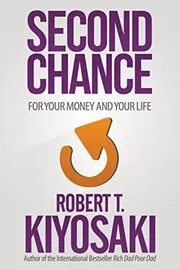
Second Chance
by Robert T Kiyosaki
2015
Second Chance looks at past financial crises to explain why Kiyosaki believes the old rules of money have broken. He blends Buckminster Fuller’s ideas with Rich Dad lessons to show how education, assets, and entrepreneurship can turn upheaval into a fresh start.
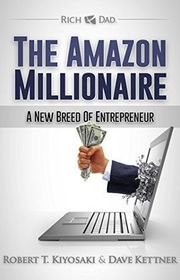
The Amazon Millionaire
by Robert T Kiyosaki
2015
This business guide combines Robert Kiyosaki’s entrepreneurship framework with Dave Kettner’s approach to creating an Amazon-based retail business. It covers product selection, sourcing, branding, store setup, marketing, customer service, cash flow, systems, and legal considerations.
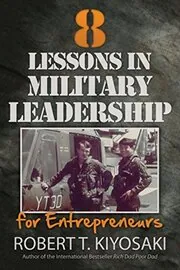
8 Lessons in Military Leadership
by Robert T Kiyosaki
2016
8 Lessons in Military Leadership connects Kiyosaki’s time at the Merchant Marine Academy and in the U.S. Marines to the demands of running a business. Each lesson explores a military principle and shows how it applies to building a team and company.
More Important Than Money
by Robert T Kiyosaki & Garrett Sutton
2017
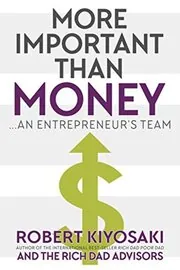
More Important Than Money argues that the right team matters more than capital. Kiyosaki and his Rich Dad Advisors share personal stories and lessons on taxes, law, real estate, raising money, and branding, showing how a trusted group can turn ideas into durable businesses.
Reinventing the Entrepreneur
by Robert T Kiyosaki & Anik Singal
2017
Reinventing the Entrepreneur, written with online marketer Anik Singal, explores how digital tools have changed business. The authors blend Rich Dad principles with step‑by‑step examples of building brands, email lists, and automated systems that can scale beyond a single person’s time.
Why the Rich Are Getting Richer
by Robert T Kiyosaki
2017
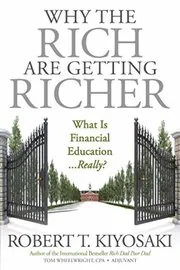
Why the Rich Are Getting Richer is pitched as a graduate‑level Rich Dad book. Kiyosaki explains how the wealthy use tax law, corporate structures, and good debt to acquire assets, and why relying on savings, pensions, or a paycheck alone leaves most people further behind.
Cash Flow Lifestyle
by Robert T Kiyosaki & Shane Caniglia
2018
Cash Flow Lifestyle looks back at Kiyosaki’s early mentoring under his “rich dad” and outlines eight building blocks of wealth. Through stories and commentary, he shows how to choose advisors, separate fact from opinion, and design a life funded by recurring cash flow.
FAKE
by Robert T Kiyosaki
2019
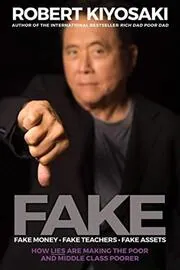
In FAKE, Kiyosaki argues that modern money, schooling, and many paper investments are systems that advantage insiders. He contrasts fiat currency with gold, silver, and Bitcoin, and urges readers to seek real financial education and tangible cash‑flowing assets instead of blind trust.
The Business of the 21st Century
by Robert T Kiyosaki
2021
The Business of the 21st Century positions network marketing as an accessible path into business ownership. Kiyosaki explains assets versus income, the Cashflow Quadrant, and why building a distribution network can teach sales, leadership, and financial skills that schools and regular jobs often miss.
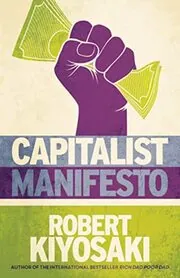
Capitalist Manifesto
by Robert T Kiyosaki
2022
Capitalist Manifesto is Kiyosaki’s polemic about money, power, and ideology. He argues that inflation, central banking, and school systems quietly erode wealth, and makes a case for teaching capitalism at home through entrepreneurship, hard assets, and independent financial education.
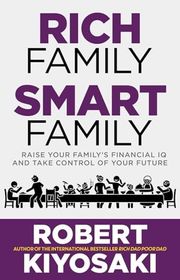
Rich Family Smart Family
by Robert T Kiyosaki
2026
Robert T. Kiyosaki frames family financial education around learning the language of money, understanding cash flow, and building financial literacy together. The book encourages readers to treat financial knowledge as a practical household skill and to take greater responsibility for long-term financial decisions.
Where to start with Robert T Kiyosaki
If you’re new to Robert Kiyosaki: Rich Dad, Poor Dad → Rich Dad's Cashflow Quadrant → Rich Dad's Guide to Investing
If you’re focused on escaping the rat race: Rich Dad, Poor Dad → Rich Dad's Cashflow Quadrant → Rich Dad's Guide to Becoming Rich without Cutting Up Your Credit Cards
If you want deeper investing insight: Rich Dad's Guide to Investing → Rich Dad's Increase Your Financial IQ → Why the Rich Are Getting Richer
If you’re reading with kids or teens: Rich Dad Poor Dad for Teens → Rich Kid Smart Kid → Rich Dad's Guide to Raising Your Child's Financial I.Q. → Awaken Your Child's Financial Genius
If you’re an aspiring entrepreneur: The Business of the 21st Century → Rich Dad's Before You Quit Your Job → More Important Than Money → Reinventing the Entrepreneur
Robert T Kiyosaki sub-series and character series
Rich Dad books in order
Explore this series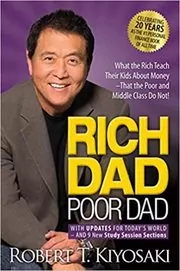
by Robert T Kiyosaki & Sharon L. Lechter
1997What the Rich Teach Their Kids About Money That the Poor and Middle Class Do Not!
Rich Dad's Guide to Becoming Rich without Cutting Up Your Credit Cards
by Robert T Kiyosaki
2000Rich Dad, Book 5

Rich Dad books in chronological order
by Robert T Kiyosaki & Sharon L. Lechter
1997What the Rich Teach Their Kids About Money That the Poor and Middle Class Do Not!Rich Dad's Guide to Becoming Rich without Cutting Up Your Credit Cards
by Robert T Kiyosaki
2000Rich Dad, Book 5
Robert T Kiyosaki collections, short stories, and related book types
Non-Fiction
Why "A" Students Work for "C" Students and "B" Students Work for the Government
by Robert T Kiyosaki
2012
The Amazon Millionaire
by Robert T Kiyosaki
2015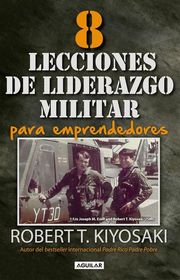
FAKE: Fake Money, Fake Teachers, Fake Assets: How Lies Are Making the Poor and Middle Class Poorer
by Robert T Kiyosaki
2019Fake Money, Fake Teachers, Fake Assets: How Lies Are Making the Poor and Middle Class Poorer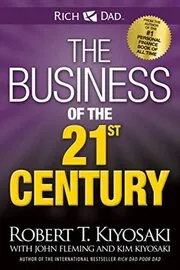
Anthologies
Standalone Robert T Kiyosaki books
by Robert T Kiyosaki
2019Fake Money, Fake Teachers, Fake Assets: How Lies Are Making the Poor and Middle Class Poorer
Author bio
Robert T. Kiyosaki was born in Hilo, Hawaii, in 1947, the eldest child in a Japanese American family. His father was a well-educated school administrator who believed in job security and traditional schooling, ideas that later became the model for Kiyosaki’s “poor dad.” Growing up, Robert watched both the stability and the limits of that path up close.
As a teenager he struggled in the classroom but excelled in sports and leadership, eventually winning an appointment to the United States Merchant Marine Academy at Kings Point. After graduation he joined the U.S. Marine Corps, flying helicopter gunships in Vietnam. Those years, and the responsibility of leading crews in dangerous situations, shaped how he thinks about risk, discipline, and decision-making.
After leaving the military, Kiyosaki worked in sales at Xerox before launching his own ventures, including a company that made nylon-and-Velcro surfer wallets. Not every idea worked. Several businesses failed, leaving him with painful lessons about cash flow, partners, and how fast a booming market can turn.
In the 1980s he moved into adult education, co-running seminars that mixed personal development with business training. That experience convinced him that most people weren’t held back by a lack of effort, but by a lack of practical financial education. He began looking for ways to teach money skills in the same simple, story-driven way he had learned from his own mentor, the “rich dad” who inspired his later books.
In the mid‑1990s he created the board game CASHFLOW to help people practice investing and cash‑flow thinking at the kitchen table. To explain the ideas behind the game he wrote Rich Dad Poor Dad, first self-published in the late 1990s. The book’s mix of parables, blunt opinions, and basic financial concepts resonated around the world and grew into a long-running Rich Dad series.
Follow‑up titles like Rich Dad's Cashflow Quadrant, Rich Dad's Guide to Investing, Rich Dad's Increase Your Financial IQ, and later books such as Second Chance, FAKE, and Capitalist Manifesto keep circling the same core themes. He stresses financial literacy, buying assets that generate cash flow, using debt carefully as a tool, and building or owning businesses instead of relying only on a paycheck.
Kiyosaki has also written and co-written books for more specific audiences: guides for teens and parents who want to teach kids about money, collections of real-estate case studies, entrepreneurship handbooks, and collaborations with his advisers and with other entrepreneurs. Across them all he uses the same plainspoken voice, heavy on stories and simple diagrams rather than formulas.
His approach has drawn criticism from academics, consumer advocates, and some financial journalists, who question his aggressive use of leverage, his promotion of real-estate seminars, and the way his stories blur the line between parable and biography. One of his companies filed for corporate bankruptcy in 2012, and investigations have taken a hard look at how Rich Dad–branded events are marketed. Kiyosaki tends to answer those concerns by pointing back to his main message: take responsibility, get educated, and decide whether advice makes sense for your own situation.
Today he continues to write, invest, podcast, and speak about money from his base in Arizona, often alongside his former wife and business partner Kim Kiyosaki and a rotating group of Rich Dad Advisors. He still returns to the same simple contrast that launched his career: the difference between working for money and building assets so money works for you. For many readers, that framing is the starting point for rethinking how they earn, spend, and plan for the future.





Edited by
Software engineer whose passion for tracking book recommendations from podcasts inspired the creation of MRB.
Lead investor at 3one4 Capital whose startup expertise and love for books helped shape MRB and its growth.
Comments
Did we miss something? Have feedback?
Help us improve this page by sharing your thoughts