
Rich Dad Books in Order
Part ofRobert T Kiyosaki Books in OrderDiscover the Rich Dad series by Robert T Kiyosaki, with books in order, summaries, and guidance on the best place to start his cashflow and investing lessons.
Last updated:
As an Amazon Associate, we earn from qualifying purchases (at no extra cost to you).
Rich Dad books in publication order
25 books
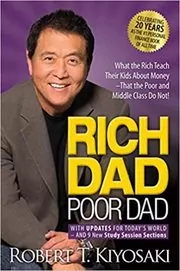
Rich Dad Poor Dad
by Robert T Kiyosaki & Sharon L. Lechter
1997
Rich Dad, Poor Dad contrasts the money lessons Kiyosaki says he learned from his poor biological father and his rich mentor. Through simple stories he explains assets versus liabilities, cash flow, and why working only for a paycheck rarely leads to lasting wealth.
Recommended by
3 people Will Smith recommended this book
Will Smith
Will Smith mentioned sharing this book with his son.
Will Smith's recommendation of this book  Anthony Pompliano recommended this book
Anthony Pompliano
"My favorite book of all time." - Anthony Pompliano
Anthony Pompliano's recommendation of this book  Patrick Bet-David recommended this book
Patrick Bet-David
Patrick Bet-David recommended this book on his website.
Patrick Bet-David's recommendation of this book
Rich Dad's Classics
by Sharon L. Lechter & Robert T Kiyosaki
1997
Rich Dad's Classics is a boxed set that combines three key titles—Rich Dad, Poor Dad, Rich Dad's Cashflow Quadrant, and Rich Dad's Guide to Investing. It offers a compact way to work through the core Rich Dad philosophy from first lesson to investing basics.
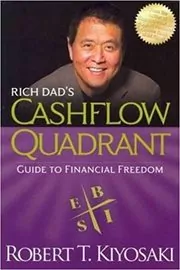
Rich Dad's CASHFLOW Quadrant
by Robert T Kiyosaki
1998
Rich Dad's Cashflow Quadrant introduces the four ways people earn money—employee, self‑employed, business owner, and investor—and explains why Kiyosaki favors the right side of the quadrant. He walks readers through the mindset shifts and skills needed to move toward business and investment income.
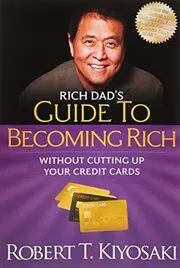
Rich Dad's Guide to Becoming Rich without Cutting Up Your Credit Cards
by Robert T Kiyosaki
2000
Rich Dad's Guide to Becoming Rich without Cutting Up Your Credit Cards pushes back on the idea that getting out of debt is always the goal. Kiyosaki distinguishes between good and bad debt, shows how credit can buy assets, and offers strategies for cleaning up destructive borrowing.
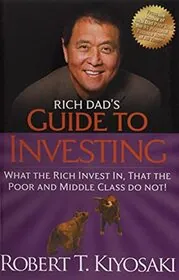
Rich Dad's Guide to Investing
by Robert T Kiyosaki & Sharon L. Lechter
2000
Rich Dad's Guide to Investing explains what Kiyosaki sees the rich investing in—and how they think—versus the average saver. He covers basic rules of investing, ways to reduce risk through education and controls, and how to build or buy businesses that become true assets.
Retire Young Retire Rich
by Robert T Kiyosaki & Sharon L. Lechter
2001
Retire Young Retire Rich revisits the idea that time and leverage matter more than a high salary. Kiyosaki explains how small deals, steady education, and compounding cash flow can, over years, create enough passive income to cover living costs and free up your time.
Rich Dad Poor Dad for Teens
by Robert T Kiyosaki & Sharon L. Lechter
2001
Rich Dad Poor Dad for Teens repackages the original Rich Dad story for younger readers. With quizzes, sidebars, and teen‑friendly examples, it explains basic money vocabulary, introduces cash flow and assets, and suggests small ways teens can start earning and managing their own money.
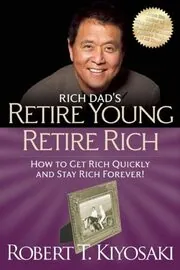
Rich Dad's Retire Young, Retire Rich
by Robert T Kiyosaki & Sharon L. Lechter
2001
Rich Dad's Retire Young, Retire Rich recounts how Kiyosaki and his wife Kim aimed to retire in their 40s by aggressively building assets. The book focuses on leverage, mindset, and long‑term planning for readers who want financial independence earlier than traditional retirement age.
Rich Dad's Rich Kid, Smart Kid
by Robert T Kiyosaki
2001
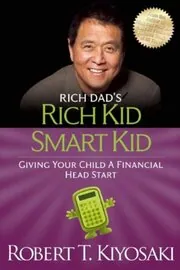
Rich Dad's Rich Kid, Smart Kid speaks directly to parents who want to give children a financial head start. Kiyosaki contrasts academic smarts with financial intelligence and offers exercises, stories, and financial field trips families can use to build their kids’ money confidence.
Rich Dad's The Business School
by Robert T Kiyosaki & Sharon L. Lechter
2001
Rich Dad's The Business School expands on why Kiyosaki believes network marketing can be a training ground for entrepreneurs. Rather than pitching a specific company, he emphasizes learning to present, lead, and support others while building a residual‑income business around a product line.
Rich Kid Smart Kid
by Robert T Kiyosaki & Sharon L. Lechter
2001
Rich Kid Smart Kid focuses on helping parents teach children how money works in the real world. Kiyosaki explains multiple kinds of intelligence, shows why financial IQ matters, and suggests games and conversations that can turn everyday life into a classroom for money skills.
The Business School For People Who Like Helping People
by Robert T Kiyosaki
2001
The Business School For People Who Like Helping People introduces Kiyosaki’s view of network marketing as a business school with a heart. He outlines eight hidden values of building a referral network, from leadership and communication practice to low‑cost business education and teamwork.
Rich Dad's Prophecy
by Robert T Kiyosaki
2002
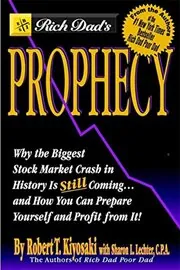
Rich Dad's Prophecy links demographic shifts, retirement laws, and underfunded pensions to what Kiyosaki sees as an inevitable market crisis. He explains how changes in retirement plans and a lack of financial education could hurt savers, then outlines ways investors might prepare and profit.
Rich Dad's Success Stories
by Robert T Kiyosaki
2003
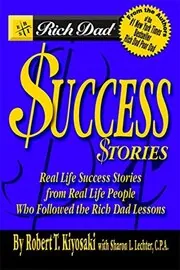
Rich Dad's Success Stories gathers real‑life case studies from people who applied Rich Dad principles to change their finances. The contributors describe how they moved out of debt, built small businesses, or invested in real estate after rethinking money the way Kiyosaki suggests.
Rich Dad's Alchemy
by Sharon L. Lechter & Robert T Kiyosaki
2004
Rich Dad's Alchemy builds on earlier Rich Dad lessons about turning ordinary earned income into lasting wealth. Kiyosaki discusses mindset, deal‑making, and leverage, and encourages readers to combine financial education with action so their cash flow can gradually replace their paycheck.
Rich Dad's Who Took My Money?
by Sharon L. Lechter & Robert T Kiyosaki
2004
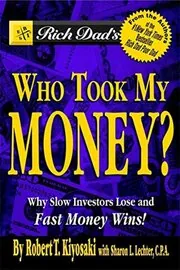
In Rich Dad's Who Took My Money? Kiyosaki challenges traditional advice to buy, hold, and diversify in mutual funds. He explains why he prefers faster‑moving investments and higher cash‑flow assets, and stresses the importance of financial education over blind trust in financial planners.
Rich Dad's Before You Quit Your Job
by Robert T Kiyosaki
2005
Rich Dad's Before You Quit Your Job offers ten lessons for employees who want to become entrepreneurs. Kiyosaki covers testing ideas, writing a business plan, assembling a team, raising capital, and coping with fear so readers don’t leap into business unprepared.
Rich Dad's Escape from the Rat Race
by Robert T Kiyosaki
2005
Rich Dad's Escape from the Rat Race is a full‑color comic that follows Timid T. Turtle as he learns about money from his friend Red E. Rat. Through simple panels and examples, kids are introduced to working for money, buying assets, and leaving the rat race.
Rich Brother Rich Sister
by Robert T Kiyosaki & Emi Kiyosaki
2008
Rich Brother Rich Sister is a joint memoir by Robert Kiyosaki and his sister, Buddhist nun Emi Kiyosaki. In alternating chapters they trace very different paths through war, business, activism, and spiritual practice, and reflect on how money, faith, and purpose intersect in their lives.
Rich Dad's Guide to Raising Your Child's Financial I.Q.
by Robert T Kiyosaki
2008
Rich Dad's Guide to Raising Your Child's Financial I.Q. focuses on teaching money skills at home. Kiyosaki and his collaborators suggest age‑appropriate ways for families to talk about earning, saving, giving, and investing so children grow up comfortable handling cash flow and choices.
Rich Dad's Increase Your Financial IQ
by Robert T Kiyosaki
2008
Rich Dad's Increase Your Financial IQ breaks financial intelligence into five areas: making money, protecting it, budgeting, leveraging, and improving your information. Kiyosaki shows how small improvements in each category compound over time and can matter more than a high salary.
Rich Dad's Plan for Financial Success
by Robert T Kiyosaki
2008
Rich Dad's Plan for Financial Success bundles Rich Dad, Poor Dad, Rich Dad's Cashflow Quadrant, and Rich Dad's Guide to Investing. It offers the core Rich Dad story, the quadrant framework, and Kiyosaki’s basic investing rules in one volume for readers who want the full progression.
Rich Dad's Conspiracy of the Rich
by Robert T Kiyosaki
2009
Rich Dad's Conspiracy of the Rich presents Kiyosaki’s view of a rigged financial system built around taxes, debt, and paper assets. Written partly as an online project, it combines history, reader feedback, and Rich Dad concepts to explain why he favors real estate and hard assets.
Rich Dad Poor Dad for College Students
by Robert T Kiyosaki
2014
Rich Dad Poor Dad for College Students adapts Rich Dad principles for life before, during, and after college. Kiyosaki talks about student loans, majors, part‑time businesses, and early investing, encouraging students to think like owners instead of assuming a degree guarantees security.
8 Rich Dad Scams
by Robert T Kiyosaki & Роберт Кийосаки
2015
8 Rich Dad Scams is a short guide that labels common bits of money advice—such as get a safe secure job or save money in the bank—as scams when followed blindly. Kiyosaki explains why he believes each idea keeps people trapped and suggests richer alternatives.
Rich Dad books in chronological order
by Robert T Kiyosaki & Sharon L. Lechter
1997What the Rich Teach Their Kids About Money That the Poor and Middle Class Do Not!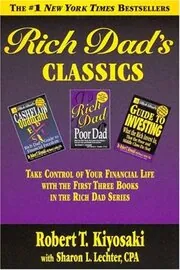
Rich Dad's Guide to Becoming Rich without Cutting Up Your Credit Cards
by Robert T Kiyosaki
2000Rich Dad, Book 5


Series background & context
The Rich Dad series is built around one simple story: a boy growing up in Hawaii learns about money from two father figures. His biological father is the “poor dad,” a highly educated government employee who believes in job security. His best friend’s father is the “rich dad,” a business owner who talks more about assets, cash flow, and opportunity than grades or promotions.
The first book, Rich Dad, Poor Dad, uses that contrast to introduce ideas like assets versus liabilities, the importance of cash flow, and the value of financial education. Instead of formulas, Robert Kiyosaki leans on short parables and conversations—stories about buying rental houses, starting small businesses, and questioning the advice to simply work hard, save, and hope a pension or retirement account will be enough.
Rich Dad's Cashflow Quadrant expands the framework by dividing income into four roles: employee, self‑employed, business owner, and investor. Much of the series encourages readers to move from the left side of that diagram (employees and solo professionals) to the right side (owners and investors), where systems and assets work so you don’t have to trade every hour for money.
Books like Rich Dad's Guide to Investing, Rich Dad's Increase Your Financial IQ, and Why the Rich Are Getting Richer dig into investing mindset, tax strategy, and the use of what Kiyosaki calls “good debt” to buy income‑producing assets. Others, such as Rich Dad's Prophecy and Second Chance, zoom out to talk about market cycles, demographic shifts, and why he believes traditional retirement plans leave many people exposed.
The Rich Dad line also includes titles for teenagers, parents, and educators, including Rich Dad Poor Dad for Teens, Rich Kid Smart Kid, and Rich Dad's Guide to Raising Your Child's Financial I.Q. These books adapt the same lessons—understanding cash flow, questioning “get a safe job” thinking, and learning to spot assets—into simpler language and real‑world activities families can use together.
Alongside the books, Kiyosaki created the CASHFLOW board games and related materials so readers can practice decisions about income, expenses, and investing without risking real money. Many of the later Rich Dad titles reference those tools and are designed to be used together.
Across the series you’ll find a conversational, sometimes provocative tone, heavy on repetition of core ideas. The books don’t try to be exhaustive investment manuals. Instead, they aim to shift how readers think about work, risk, and money, so that further learning and real‑world action become possible.




Edited by
Software engineer whose passion for tracking book recommendations from podcasts inspired the creation of MRB.
Lead investor at 3one4 Capital whose startup expertise and love for books helped shape MRB and its growth.
Comments
Did we miss something? Have feedback?
Help us improve this page by sharing your thoughts