
Robert Crumb Books in Order
Explore Robert Crumb books in publication order, with short summaries and series lists to help you compare titles and choose your next book to read.
Last updated: 39 new books added
As an Amazon Associate, we earn from qualifying purchases (at no extra cost to you).
Robert Crumb books in publication order
39 books
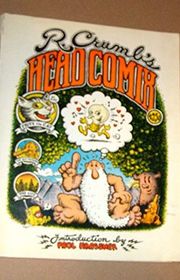
R. Crumb's Head Comix
by Robert Crumb
1968
Crumb’s early cartoons turn an irreverent eye on the counterculture and the society around it. Students, drugs, spiritual gurus, consumer habits, and questions of heaven and hell appear in a collection shaped by the contradictions of the sixties.
R. Crumb's Carload O' Comics
by Robert Crumb
1976
This collection gathers Crumb’s underground comics from numerous early publications, bringing recurring characters and unruly comic situations together. Stories featuring Mr. Natural and other creations mix social satire, personal preoccupations, and the sensibility of the counterculture.
The Complete Crumb Comics, Vol. 1
by Robert Crumb
1987
Early homemade comics, diary entries, and sketches trace Robert Crumb's formative years as a cartoonist. Funny-animal stories and youthful experiments reveal emerging interests in psychology, religion, and the characters that would develop through his later work.
The Complete Crumb Comics, Vol. 2
by Robert Crumb
1988
Homemade comics from the early 1960s document Robert Crumb's development before the underground comics movement. Stories featuring Fritz the Cat, Jim, Mabel, and Little Billy Bean reveal the characters and narrative experiments taking shape in his early work.
The Complete Crumb Comics, Vol. 3
by Robert Crumb
1988
Early Fritz the Cat stories published in Help! appear alongside rare drawings, greeting-card work, and an account of Robert Crumb's first acid trip. The collection traces a period when his characters and distinctive underground voice began reaching readers.
The Complete Crumb Comics, Vol. 4
by Robert Crumb
1989
Comics from Zap's first issues, East Village Other, and Yarrowstalks capture Robert Crumb's emergence during the 1960s. Early Keep on Truckin' material, greeting cards, and rare drawings show his psychedelic experiences taking shape as a new cartoon language.
The Complete Crumb Comics, Vol. 5
by Robert Crumb
1990
Work from late 1967 through 1969 brings together Zap material, a Fritz the Cat adventure, and early appearances by Angelfood McSpade and Mr. Natural. Rare artwork connects Robert Crumb's developing characters to the countercultural world surrounding them.
The Complete Crumb Comics Vol. 6
by Robert Crumb
1991
This volume gathers Robert Crumb's comics as his underground career moves toward the 1970s. Material from Big Ass, Zap, Snatch, Jiz, and Despair combines provocative satire with rarities that document the breadth of his work during this period.
The Complete Crumb Comics, Vol. 7
by Robert Crumb
1991
Comics from 1970 and 1971 capture Robert Crumb at the height of his countercultural fame. Fritz the Cat, Mr. Natural, and other recurring characters appear in work from underground publications, alongside the artist's reflections on fame and increasing self-consciousness.
R. Crumb Draws the Blues
by Robert Crumb
1992
Robert Crumb's love of blues music shapes this collection of music-related comic strips. Drawn from publications including Zap, Arcade, Raw, and Weirdo, the stories bring musical history and the artist's enthusiasm for older recordings into his cartooning.
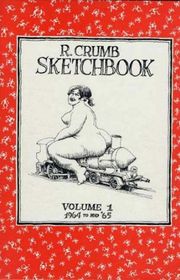
R. Crumb Sketchbook, Vol. 1
by Robert Crumb
1992
Robert Crumb's sketchbook drawings from 1964 and 1965 record people, city views, and ordinary objects around him. These private studies offer a view of his attention to space, line, and observation before the height of his underground comics career.
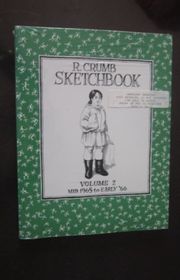
R. Crumb Sketchbook, Vol. 2
by Robert Crumb
1992
Sketchbook selections from mid-1965 to early 1966 combine portraits, landscapes, rough comic strips, and studies for commercial work. The drawings reveal Robert Crumb developing ideas through constant observation, moving between everyday surroundings and the possibilities of cartoon imagery.
The Complete Crumb Comics, Vol. 8
by Robert Crumb
1992
Work from 1971 and 1972 includes Fritz the Cat's final story, Whiteman Meets Bigfoot, and material from Big Ass and Mr. Natural. The collection documents Robert Crumb's darker turn following his first encounter with widespread fame.
The Complete Crumb Comics, Vol. 9
by Robert Crumb
1992
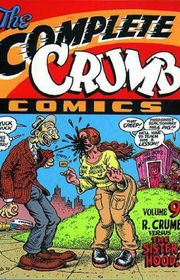
Comics from 1972 and 1973 show Robert Crumb moving beyond the psychedelic optimism of the previous decade. XYZ Comics, early collaboration with Harvey Pekar, cookbook illustrations, and unpublished artwork reveal a more introspective period in his satire.
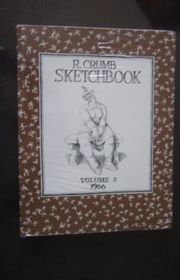
R. Crumb Sketchbook, Vol. 3
by Robert Crumb
1993
Robert Crumb's 1966 sketchbooks combine completed short strips, character studies, parody advertisements, and a preliminary version of Keep on Truckin'. Portraits, still lifes, and urban scenes show how his daily drawing practice fed the development of his comics.
The Complete Dirty Laundry Comics
by Robert Crumb
1993
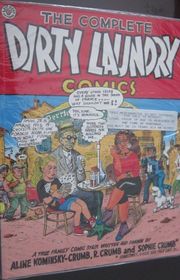
Robert Crumb and Aline Kominsky-Crumb portray themselves in frank autobiographical comics about their relationship and daily life. Collecting their two Dirty Laundry issues and further collaborations, the book brings their contrasting drawing styles together against the backdrop of the 1970s.
The Life and Death of Fritz the Cat
by Robert Crumb
1993
Fritz the Cat moves from youthful idealism to the excesses of celebrity in these collected adventures. Robert Crumb's feline opportunist becomes a vehicle for satire of American counterculture, with early sketchbook tales presented alongside the character's final appearance.
The Complete Crumb Comics, Vol. 10
by Robert Crumb
1994
Robert Crumb's work from 1973 through 1975 includes his first Dirty Laundry collaboration with Aline Kominsky-Crumb and contributions to Arcade. Record artwork for the Cheap Suit Serenaders appears alongside comics exploring the period's personal and cultural tensions.
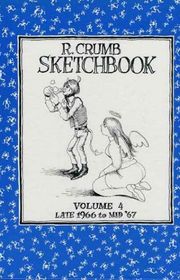
R. Crumb Sketchbook, Vol. 4
by Robert Crumb
1995
Drawings from late 1966 through mid-1967 fill this volume of Robert Crumb’s personal sketchbooks. The collection presents work from an early period in his career, offering a view of ideas taking shape through his continuing drawing practice.
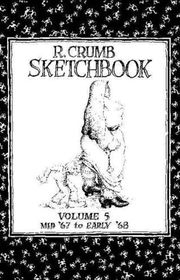
R. Crumb Sketchbook, Vol. 5
by Robert Crumb
1995
Drawings from late 1967 and early 1968 capture Robert Crumb's emergence within underground comics. Sketches of flower children and familiar characters appear alongside preliminary versions of published images, revealing how ideas developed before reaching their finished form.
The Book of Mr. Natural
by Robert Crumb
1995
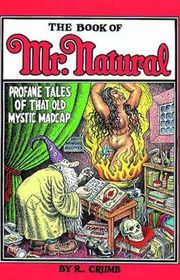
Mr. Natural dispenses questionable wisdom to followers while pursuing his own desires in these collected comics. Stories ranging from the early 1970s into the 1990s explore the uneasy boundary between spiritual insight, manipulation, and the guru's decidedly worldly appetites.
The Complete Crumb Comics, Vol. 11
by Robert Crumb
1995
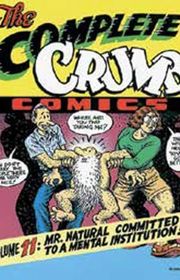
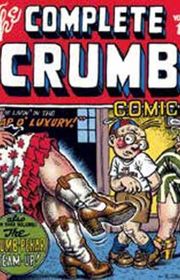
Mr. Natural's confinement in a mental institution anchors this collection of Robert Crumb's comics. Dirty Laundry collaborations, later Arcade strips, a Village Voice serial, and cover artwork bring together personal storytelling and the artist's continuing satirical experiments.
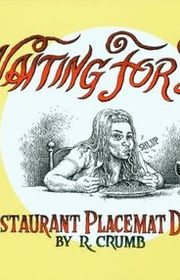
Waiting for Food, Vol. 1
by Robert Crumb
1995
Drawings made on restaurant placemats reveal Robert Crumb observing the world while waiting for meals. This collection turns an informal habit into an art book, preserving the spontaneous marks and visual attention of his time at the table.
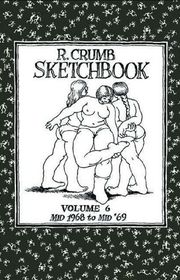
R. Crumb Sketchbook, Vol. 6
by Robert Crumb
1997
This volume collects Robert Crumb’s personal sketchbook work from mid-1968 through mid-1969. Its drawings form part of a chronological record of his artistic practice, showing the material he developed alongside his work in underground comics.
The Complete Crumb Comics, Vol. 12
by Robert Crumb
1997
Early collaborations with Harvey Pekar appear alongside Robert Crumb's other comics from the period. A skeptical account of an aerospace symposium and a story about 1930s jazz musicians demonstrate his movement between everyday observation, social criticism, and musical history.
The Complete Crumb Comics, Vol. 13
by Robert Crumb
1998
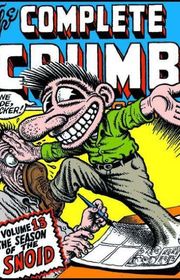
Late-1970s comics introduce the Snoid and develop Robert Crumb's social and environmental criticism. Collaborations with Harvey Pekar, record-cover art, and A Short History of America connect his private preoccupations with a changing American landscape.
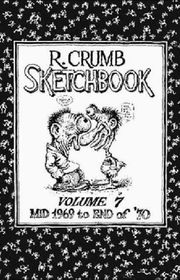
R. Crumb Sketchbook, Vol. 7
by Robert Crumb
1999
Robert Crumb’s drawings from mid-1969 to the end of 1970 appear in this sketchbook volume. The collection continues a chronological presentation of his private drawing practice, giving readers access to work beyond his finished published comics.
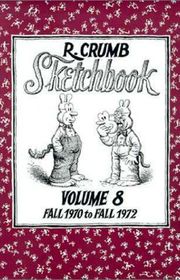
R. Crumb Sketchbook, Vol. 8
by Robert Crumb
2000
Sketchbook pages from the early 1970s capture Robert Crumb during a period of growing fame and disillusionment with the counterculture. Presented in facsimile, the drawings offer a more private view of his continuing artistic inquiry and self-examination.
Waiting for Food, Vol. 2
by Robert Crumb
2000
Robert Crumb's second collection of restaurant placemat drawings moves between fellow diners, French life, Americana, and imagined scenes. Informal sketches become a record of observation and social commentary created during the pauses before a meal arrives.
The Complete Crumb Comics, Vol. 14
by Robert Crumb
2001
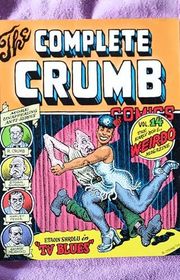
Robert Crumb's contributions to the first eight issues of Weirdo document a new stage in his work during the early 1980s. Autobiographical pieces about middle age and memories of the sixties appear within the magazine he founded and edited.
The Complete Crumb Comics, Vol. 15
by Robert Crumb
2001
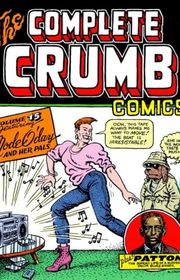
Mode O'Day's social ambitions provide a focus for Robert Crumb's satire of cultural elites in this collection. Weirdo stories, collaborations with Charles Bukowski and Harvey Pekar, and music-related artwork capture his varied work during the mid-1980s.
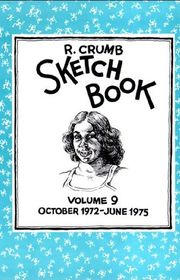
R. Crumb Sketchbook, Vol. 9
by Robert Crumb
2002
Facsimile sketchbook pages from 1972 through 1975 document Robert Crumb's sustained practice of writing and drawing. Gathered chronologically, they offer a view of an inquisitive period in his life and the private work underlying his public career.
The Complete Crumb Comics Vol. 16
by Robert Crumb
2002
Comics from 1985 through 1987 include stories about Jelly Roll Morton and Philip K. Dick, alongside country-music portraits and Hup material. Robert Crumb moves between musical biography, unusual experiences, and satire in work drawn from several publications.
The Late 1980s, Vol. 17
by Robert Crumb
2003
Crumb's comics from the late 1980s into the early 1990s include Cave Wimp and A Short History of America. Contributions to Weirdo and other magazines appear alongside cover artwork and an introduction by the artist.
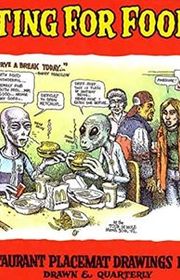
Waiting for Food, Vol. 3
by Robert Crumb
2004
The third collection of Robert Crumb's occasional sketches presents a more contemplative side of his work. Detailed lines and cross-hatching record ordinary life, revealing the artist's attention to everyday experience alongside the better-known provocations of his comics.
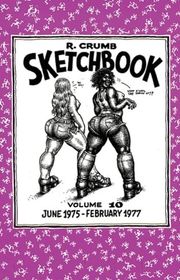
R. Crumb Sketchbook, Vol. 10
by Robert Crumb
2005
Facsimiles of Crumb's private sketchbooks from June 1975 through February 1977 reveal an introspective period in his work. Drawings and notes follow the development of ideas, exposing the perceptions, craft and personal conflicts behind his finished art.
The Sweeter Side of R. Crumb
by Robert Crumb
2006
This collection presents Robert Crumb's gentler drawings, including animals, domestic moments, flowers, and French village scenes. Departing from his more abrasive satire, the images reveal his interest in affection, everyday beauty, and the visual language of greeting cards.
The Book of Genesis
by Robert Crumb
2009
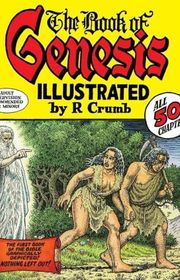
Robert Crumb illustrates all fifty chapters of Genesis, following the biblical narrative from creation through Joseph's death. Using the text rather than parodying it, his drawings give physical detail to its family conflicts, migrations, encounters, and acts of faith.
R. Crumb
by Robert Crumb
2011
Robert Crumb gathers record-cover artwork spanning his first commission for Janis Joplin through later album and CD designs. His images celebrate jazz, country, and blues musicians while tracing the influence of older recordings on his visual imagination.
Robert Crumb sub-series and character series
R. Crumb Sketchbook books in order
Explore this seriesWaiting for Food books in order
Explore this seriesStandalone Robert Crumb books


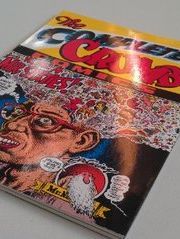
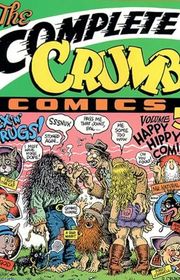
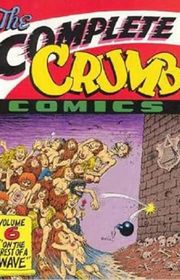


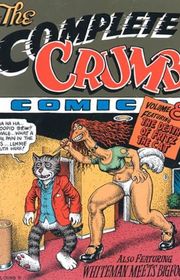



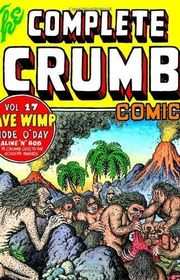
by Robert Crumb
2003Cave Wimp, Mode O'Day, Aline 'n' Bob, & Other Stories, Covers, Drawings













Edited by
Software engineer whose passion for tracking book recommendations from podcasts inspired the creation of MRB.
Lead investor at 3one4 Capital whose startup expertise and love for books helped shape MRB and its growth.
Comments
Spotted a missing book, a wrong order or a mistake? Tell us and we'll fix this page.
We're a reading guide, not the author or publisher, so we can't send books or pass on messages.