
Rita Dove Books in Order
Explore Rita Dove's books in order, with short summaries, reading guidance, and background on her poetry, fiction, and essays, plus tips on where to start.
Last updated:
As an Amazon Associate, we earn from qualifying purchases (at no extra cost to you).
Rita Dove books in publication order
15 books
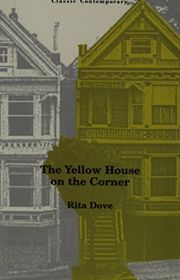
The Yellow House on the Corner
by Rita Dove
1980
Dove's debut collection moves through adolescence, romance, family memory, and American history. Even in these early poems, she has a sharp eye for small details and for the way private life meets larger forces.
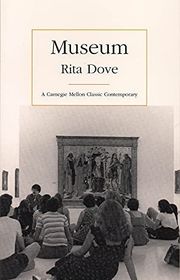
Museum
by Rita Dove
1983
This collection ranges from home and travel to the brutal edges of history. Dove pairs graceful, exact language with a wide field of vision, building toward poems that feel intimate even when they carry enormous public weight.
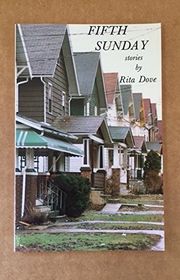
Fifth Sunday
by Rita Dove
1985
These stories follow Black characters in the Midwest and abroad as they push against narrow expectations. Dove brings a poet's ear to family tension, music, class, and the small acts of self-definition that shape a life.

Thomas and Beulah
by Rita Dove
1986
In linked poems inspired by her grandparents, Dove traces a marriage across migration, work, war, and ordinary tenderness. The book turns family memory into a quietly powerful American story, one built from two distinct voices.
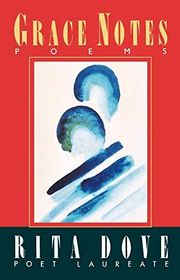
Grace Notes
by Rita Dove
1990
Grace Notes returns to childhood, adolescence, memory, and regret in poems that feel musical and intimate. Dove lingers over the embellishments of daily life, the small moments that can suddenly deepen into ache or wonder.
Through the Ivory Gate
by Rita Dove
1992
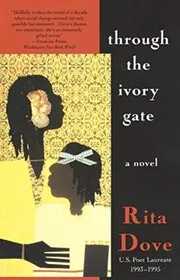
Virginia King returns to her Midwestern hometown as an artist-in-residence and finds old loves, racial tensions, and family secrets waiting for her. Dove turns a homecoming story into a searching novel about art, ambition, and identity.

Selected Poems
by Rita Dove
1993
A strong entry point, this volume gathers work from Dove's early collections, including Thomas and Beulah. It shows how easily she moves between family memory, public history, and closely observed daily life.

The Darker Face of the Earth
by Rita Dove
1994
Dove resets the Oedipus story on an antebellum South Carolina plantation, where fate, slavery, and forbidden desire tighten around Augustus Newcastle. The verse drama is intimate and sweeping at once, with family secrets driving the tragedy forward.
Mother Love
by Rita Dove
1995
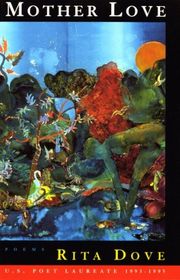
Using the myth of Demeter and Persephone, Dove explores the knot of love, anger, and separation between mothers and daughters. The sonnet sequence feels classical and modern at once, with myth opening into contemporary emotional life.

The Poet's World
by Rita Dove
1995
Drawn from lectures given during her poet laureate years, this slim book shows how Dove thinks about poetry in public and private life. It's an accessible reflection on reading, writing, and why poems still matter.

On the Bus With Rosa Parks
by Rita Dove
1999
These poems move between private lives and public history, ending with a memorable sequence sparked by Rosa Parks. Dove writes about courage, memory, and the way large events settle into ordinary lives.
American Smooth
by Rita Dove
2004
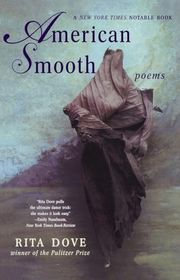
Ballroom dancing gives this collection some of its rhythm, but the poems range far beyond the dance floor. Dove writes about love, history, recovery, and time with poise, warmth, and sure musical control.
Sonata Mulattica
by Rita Dove
2009
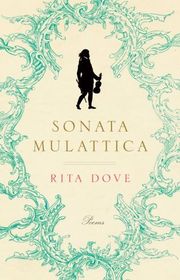
Dove brings the overlooked violin virtuoso George Bridgetower back into view in this book-length sequence. Music, race, fame, and erasure all shape the story, as Beethoven's world opens to him and then turns away.
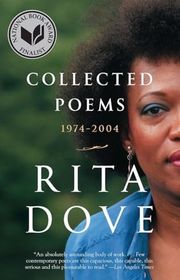
Collected Poems: 1974-2004
by Rita Dove
2016
This career-spanning volume gathers three decades of Dove's poetry, from early lyrics to later book-length sequences. It's the clearest way to see her range across family history, myth, music, politics, and everyday life.

Playlist for the Apocalypse
by Rita Dove
2021
In these later poems, Dove faces political upheaval, historical violence, and private illness without losing wit or music. The book is wide-ranging and restless, asking how people keep hope and moral balance in damaged times.
Where to start with Rita Dove
If you want the Pulitzer winner: Thomas and Beulah
If you want a broad introduction: Selected Poems → Thomas and Beulah → Mother Love
If you want history and public life: On the Bus With Rosa Parks → American Smooth → Playlist for the Apocalypse
If you want her prose and drama too: Fifth Sunday → Through the Ivory Gate → The Darker Face of the Earth
Rita Dove collections, short stories, and related book types
Plays
Collections
Standalone Rita Dove books
Author bio
Rita Dove was born in Akron, Ohio, on August 28, 1952, and grew up in a family that took books, music, and education seriously. Her father, Ray Dove, worked as a research chemist, and her mother, Elvira Hord, passed along a love of reading. That mix of discipline and curiosity shows up all through her writing, which moves easily from neighborhood memory to larger history.
She has said some of her first lessons in language came from listening to relatives tell stories at family gatherings.
At Buchtel High School she was a Presidential Scholar, and she went on to graduate summa cum laude from Miami University in 1973. A Fulbright year took her to the University of Tübingen in Germany to study German poetry, and she later earned an MFA from the Iowa Writers' Workshop. Those years widened her ear as much as her training, giving her a deep feel for music, translation, and the many ways a poem can move.
Her first books made it clear she was interested in more than one kind of subject or form. The Yellow House on the Corner and Museum bring together girlhood, family life, travel, and history in poems that are precise without feeling stiff. Then Thomas and Beulah, loosely based on her maternal grandparents, turned family memory into a larger American story of migration, marriage, work, and endurance. It won the Pulitzer Prize for Poetry in 1987.
She was only in her thirties, but the scale of the work was already big.
Readers often like Dove because she can take on weighty material without sounding heavy. In Mother Love, she reworks the Demeter and Persephone myth to think about mothers and daughters. On the Bus With Rosa Parks looks at civil rights, memory, and private lives meeting public history, while American Smooth lets ballroom dancing open into poems about love, recovery, and time. In Sonata Mulattica, she follows the overlooked violin virtuoso George Bridgetower and turns music history into a story about talent, race, and erasure.
Dove has also written beyond poetry. Her short story collection Fifth Sunday, her novel Through the Ivory Gate, and her verse play The Darker Face of the Earth show the same interest in character, pressure, and hidden history. The Poet's World, drawn from lectures she gave while serving as poet laureate, makes her case for poetry as something lived, not something kept behind glass.
In 1993 she became U.S. Poet Laureate, the youngest person to hold the post at the time and the first African American to do so. She used the role to bring poetry into schools and public life, and later served as Poet Laureate of Virginia from 2004 to 2006. Along the way she has received honors including the National Humanities Medal, the National Medal of Arts, and the National Book Foundation's Medal for Distinguished Contribution to American Letters.
Teaching has been a steady part of her life, too. After years at Arizona State University, she joined the University of Virginia faculty in 1989 and has taught there ever since. Students and readers alike tend to find the same thing in her work: intelligence without showiness, formal control without coldness, and a real belief that poetry belongs in ordinary life.
She lives in Charlottesville with her husband, the writer Fred Viebahn, and they have a grown daughter, Aviva. She is also a trained classical musician, plays the viola da gamba, and has spoken warmly about ballroom dancing as a source of joy and rhythm. That helps explain why even her most serious books don't feel sealed off from the body or the world.







Edited by
Software engineer whose passion for tracking book recommendations from podcasts inspired the creation of MRB.
Lead investor at 3one4 Capital whose startup expertise and love for books helped shape MRB and its growth.
Comments
Did we miss something? Have feedback?
Help us improve this page by sharing your thoughts