
Republic Books in Order
Part ofDavid Donachie Books in OrderExplore the Republic series by David Donachie in order, with book summaries, historical context, and where to start this Roman saga.
Last updated:
As an Amazon Associate, we earn from qualifying purchases (at no extra cost to you).
Republic books in publication order
3 books
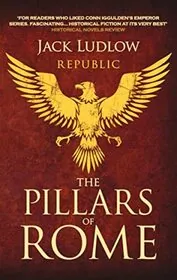
The Pillars of Rome
by David Donachie
2007
As Rome strains under slavery, ambition, and violence, powerful men try to hold the republic together without giving ground. Senatorial politics and military action feed each other in a story built on unstable power.
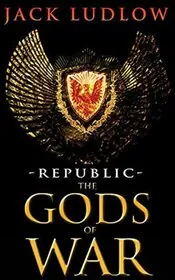
The Gods of War
by David Donachie
2011
With Lucius Falerius dead, Rome's future rests on younger hands and fragile promises. War on the frontier and unfinished business in Sicily force allies and enemies alike to decide what the republic is worth.
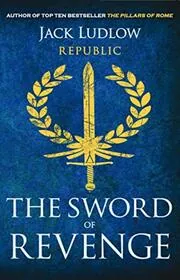
The Sword of Revenge
by David Donachie
2011
Rome's victories come at a cost, and old feuds are far from settled. As power shifts between senators, soldiers, and rebels, vengeance drives men forward even when it threatens the republic they claim to serve.
Republic books in chronological order
Series background & context
The Republic books take Donachie into the Roman world at a point when the state looks formidable but is under deep strain. These are not polished marble-pageant novels. They are about power under pressure, about senators, soldiers, frontier conflicts, and the ugly bargains that keep a republic standing even as it begins to wobble.
Politics is everywhere.
In The Pillars of Rome, Donachie sets up a world in which status, family, military obligation, and slavery are all tied together. Rome expands, commands, and legislates, but it is never fully in control of the forces it has created. By The Sword of Revenge and The Gods of War, the series widens to show what happens when political authority, personal vengeance, and military necessity start feeding one another. The books deal with Sicily, frontier war, and the question of what Rome owes to the people it has used and defeated.
One of the useful things about this series is that it does not stay only in the Senate chamber or only on the battlefield. Donachie likes to move between levels of society, from senior political figures to younger heirs, officers, and men doing the dirty work below them. That gives the trilogy energy. It also helps show how Roman public language about honor and duty can sit beside fear, opportunism, and simple self-interest.
The tone is broad, serious, and strongly story-driven. If you want intricate constitutional debate, these books are not really aiming at that. They are much more interested in what political power feels like when armies are moving, reputations are on the line, and family legacies can be broken in a season. The pace is quicker than many Roman epics, but the stakes still feel heavy.
Readers who enjoy the Roman setting but want something closer to adventure than literary reconstruction will probably settle into these very quickly. Donachie treats Rome as a living, contested system, not a monument. That keeps the trilogy human, tense, and properly unstable from first book to last.











Edited by
Software engineer whose passion for tracking book recommendations from podcasts inspired the creation of MRB.
Lead investor at 3one4 Capital whose startup expertise and love for books helped shape MRB and its growth.
Comments
Did we miss something? Have feedback?
Help us improve this page by sharing your thoughts