
Rebecca Solnit Books in Order
Discover Rebecca Solnit's books in order with summaries, themes, series background, and guidance on where to start reading her essays, memoirs, and atlases.
Last updated: 2 new books added
As an Amazon Associate, we earn from qualifying purchases (at no extra cost to you).
Rebecca Solnit books in publication order
32 books
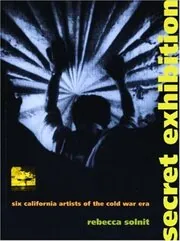
Secret Exhibition
by Rebecca Solnit
1991
Solnit's first book, a study of six California assemblage artists working during the Cold War. She situates their experimental paintings and sculptures within beat poetry, surveillance culture, and a San Francisco art scene that blurred the line between life and art.
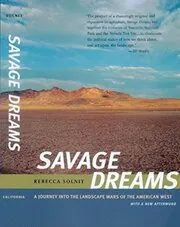
Savage Dreams
by Rebecca Solnit
1994
A deeply researched journey through two hidden wars of the American West, in Yosemite and at the Nevada Test Site. Solnit links Indigenous dispossession and nuclear testing, revealing how violence against land and people is woven into national myths.
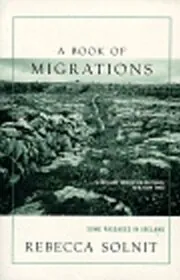
A Book of Migrations
by Rebecca Solnit
1997
Travel narrative and cultural history of Ireland seen on foot and by bus. Following her newly claimed Irish citizenship, Solnit uses walks, conversations, and literature to think about exile, tourism, colonialism, and what it means to feel at home.
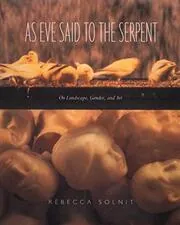
As Eve Said to the Serpent
by Rebecca Solnit
2001
Essays at the crossroads of landscape, gender, and art. Solnit writes about nuclear test sites, national borders, deserts, clouds, and contemporary artists, asking how images and places influence the stories we tell about bodies, nature, and power.
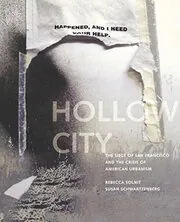
Hollow City
by Rebecca Solnit
2001
An illustrated account of gentrification in San Francisco, created with photographer Susan Schwartzenberg. Through essays and images, the book shows how speculative development and tech wealth hollowed out long-standing communities, artists, and working-class neighborhoods.
Wanderlust
by Rebecca Solnit
2001
A cultural history of walking that ranges from philosophers and pilgrims to activists and city wanderers. Solnit explores how moving on foot shapes thought, politics, and our relationship to landscapes in an increasingly fast and car-centered world.
Motion Studies
by Rebecca Solnit
2003
The UK edition of Solnit's study of Eadweard Muybridge, focusing on time, space, and experiments with motion. It connects his images to broader changes in technology and perception in the rapidly modernizing landscapes of the nineteenth-century West.
River of Shadows
by Rebecca Solnit
2003
Biography of photographer Eadweard Muybridge that doubles as a history of the technological American West. Solnit follows railroads, cameras, and motion studies to show how new ways of capturing time helped create modern cinema and Silicon Valley.
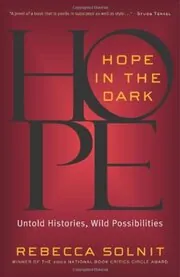
Hope in the Dark
by Rebecca Solnit
2004
A brief, fervent argument for political hope first written in the early 2000s and later expanded. Solnit traces overlooked histories of activism to show how victories are often slow and indirect, yet still transform the world in lasting ways.
Recommended by
2 people Alexandria Ocasio-Cortez recommended this book
Alexandria Ocasio-Cortez
Alexandria Ocasio-Cortez recommended this book on Twitter.
Alexandria Ocasio-Cortez's recommendation of this book - Natalie Portman recommended this book
Natalie Portman
Natalie Portman shared this book on Instagram.
Natalie Portman's recommendation of this book
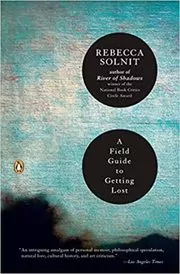
A Field Guide to Getting Lost
by Rebecca Solnit
2005
Linked essays about wandering, uncertainty, and transformation, moving from family stories and art history to deserts and city streets. Solnit argues that losing your way, in place or in thought, can be a necessary condition for self-discovery.
Recommended by
2 people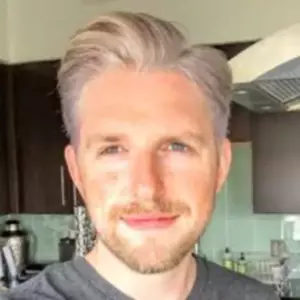 Matt Mullenweg recommended this book
Matt Mullenweg
Matt Mullenweg recommended this book in the "Tools of Titans" book.
Matt Mullenweg's recommendation of this book  Sarah Lewis recommended this book
Sarah Lewis
"Perfect for someone trying to unlock their passion and is getting up the nerve to chart a new path." - Sarah Lewis
Sarah Lewis's recommendation of this book
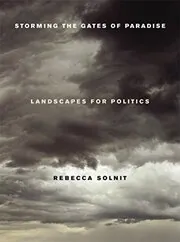
Storming the Gates of Paradise
by Rebecca Solnit
2007
A large collection of essays that link landscapes to politics, moving from western deserts and borderlands to mines, prisons, protests, and cities. Solnit explores how power, resistance, and imagination are written onto the land we inhabit.
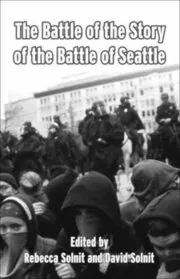
The Battle of the Story of the Battle of Seattle
by Rebecca Solnit
2008
Co-edited with David Solnit, this book revisits the 1999 World Trade Organization protests in Seattle and the media narratives that followed. Essays and documents show how controlling the story of an uprising shapes later movements and public memory.
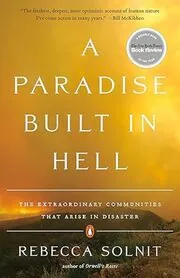
A Paradise Built in Hell
by Rebecca Solnit
2009
Study of how ordinary people respond to disaster, from the 1906 San Francisco earthquake to the Halifax explosion, Mexico City, 9/11, and Hurricane Katrina. Solnit argues that crises often reveal spontaneous communities of mutual aid, meaning, and joy.
Recommended by
1 person Cory Doctorow recommended this book
Cory Doctorow
"[Proves] that in times of crisis, people help one another - rather than looting and pillaging." - Cory Doctorow
Cory Doctorow's recommendation of this book
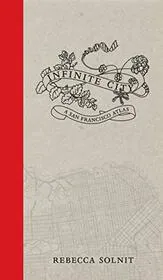
Infinite City: A San Francisco Atlas
by Rebecca Solnit
2010
The first of the City Atlases pairs original maps with essays to show San Francisco as layered with memory, activism, and ecology. It charts everything from butterfly corridors and queer history to shipyards, murders, and jazz clubs.
The Faraway Nearby
by Rebecca Solnit
2013
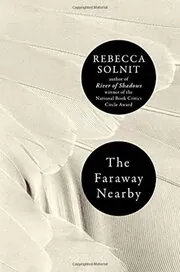
A genre-blurring memoir built around a summer of apricots and a mother with Alzheimer's. Solnit braids illness, fairy tales, travel to Iceland, and literary history into an exploration of storytelling, empathy, and how we navigate crisis.
Unfathomable City: A New Orleans Atlas
by Rebecca Solnit
2013
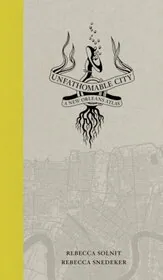
A collaborative atlas that maps New Orleans through themed maps and essays on water, oil, prisons, music, food, and more. The book portrays the city as both vulnerable and resilient, steeped in history, improvisation, and cultural resistance.
Men Explain Things to Me
by Rebecca Solnit
2014
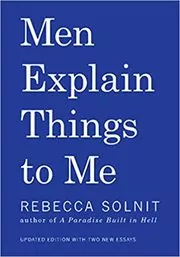
Solnit's influential essay collection on gendered silencing, violence against women, and the cultural habits that keep women from being believed. Witty and unsparing, it helped frame global conversations about mansplaining, credibility, and power in everyday life.
Recommended by
1 person Chelsea Handler recommended this book
Chelsea Handler
"Goes deep with statistics, personal stories, and others’ accounts of how brutal this world can be for women." - Chelsea Handler
Chelsea Handler's recommendation of this book
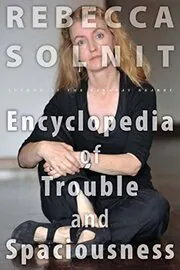
The Encyclopedia of Trouble and Spaciousness
by Rebecca Solnit
2014
Wide-ranging essays that travel from Arctic ice and Zapatista villages to Detroit and San Francisco. Solnit considers climate change, urban blight, protest, and everyday beauty, asking how people resist despair while working toward more just and spacious worlds.
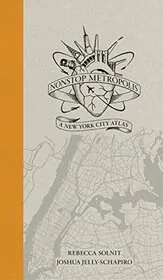
Nonstop Metropolis: A New York City Atlas
by Rebecca Solnit
2016
The final volume in the City Atlases trilogy, mixing imaginative maps and essays to portray New York's many languages, musics, neighborhoods, and struggles. It reveals buried histories, contested spaces, and unexpected connections across all five boroughs and beyond.
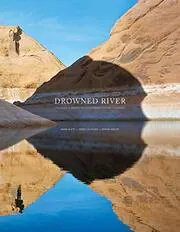
Drowned River
by Rebecca Solnit
2017
A collaboration with photographers Mark Klett and Byron Wolfe about Glen Canyon and the Colorado River, once drowned behind a dam and now slowly reemerging. Solnit's text reflects on climate change, loss, and the uneasy return of a landscape long presumed gone.
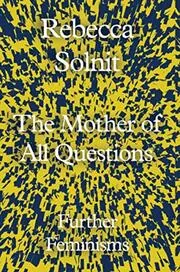
The Mother of All Questions
by Rebecca Solnit
2017
A follow-up to Men Explain Things to Me that tackles the silencing of women, toxic myths about family, and the questions used to police women's choices. Through sharp cultural readings, Solnit shows how different stories can open space for freer lives.
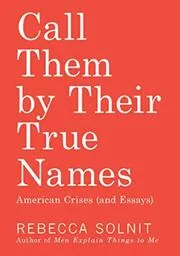
Call Them by Their True Names
by Rebecca Solnit
2018
Essays on American crises, from police killings and gentrification to cynical disengagement and the Trump era. Solnit urges precise language and historical memory as tools for accountability, while insisting that hope often lies in indirect, long-term change.
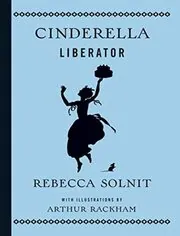
Cinderella Liberator
by Rebecca Solnit
2019
A radical retelling of Cinderella in which Ella and Prince Nevermind choose friendship, meaningful work, and mutual freedom over marriage. Using classic silhouettes in new ways, the story invites young readers to imagine happier, more just futures for everyone.
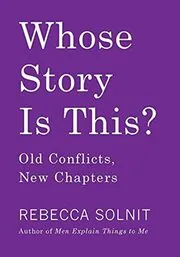
Whose Story Is This? Old Conflicts, New Chapters
by Rebecca Solnit
2019
Essay collection about who gets to tell the story in contemporary politics and culture. Solnit writes on #MeToo, white nationalism, climate activism, and voter suppression, arguing that expanding the chorus of voices changes what becomes visible and possible.
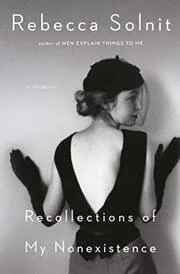
Recollections of My Nonexistence
by Rebecca Solnit
2020
Memoir of Solnit's formation as a writer and feminist in 1980s San Francisco, amid street harassment, gender violence, and exclusion from cultural spaces. She traces how fear, anger, friendship, and the city itself shaped her voice and public life.
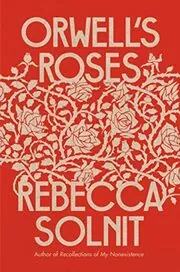
Orwell's Roses
by Rebecca Solnit
2021
A blend of biography and cultural history that begins with George Orwell planting roses and follows his gardening into questions of joy, labor, and resistance. Solnit links flowers, colonialism, and authoritarianism to show how beauty can nourish political courage.
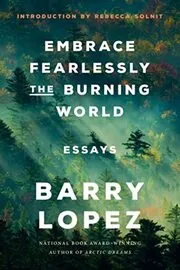
Embrace Fearlessly the Burning World
by Rebecca Solnit
2022
An expansive posthumous collection of Barry Lopez's essays on landscape, memory, and the climate crisis, framed by an introduction from Rebecca Solnit. The pieces travel from childhood trauma to polar journeys, asking what it means to live attentively on a damaged planet.

Waking Beauty
by Rebecca Solnit
2022
A companion to Cinderella Liberator that reimagines Sleeping Beauty from the viewpoint of Maya, the sister who stays awake. Through playful, luminous storytelling, Solnit turns the fairy tale into a celebration of curiosity, creativity, and shared responsibility.
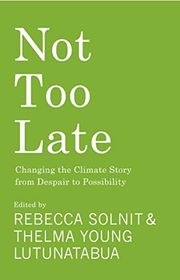
Not Too Late
by Rebecca Solnit
2023
Edited by Rebecca Solnit and Thelma Young Lutunatabua, this collection gathers activists, scientists, and artists discussing responses to climate change. Essays and interviews challenge despair by examining collective action, political obstacles, and possibilities for a more livable future.

No Straight Road Takes You There
by Rebecca Solnit
2025
Recent essay collection arguing that social change is rarely linear. Writing on climate, feminism, democracy, and activism, Solnit urges readers to value slow, indirect progress and to keep acting even when outcomes feel uncertain or hard to measure.
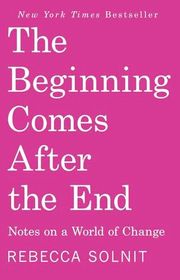
The Beginning Comes After the End
by Rebecca Solnit
2026
Rebecca Solnit examines social, political, scientific, and cultural changes since 1960, tracing movements toward greater interconnection. Amid authoritarian backlash, she considers feminism, environmentalism, Indigenous ideas, and antiracism as evidence of transformations whose full scale often goes unnoticed.
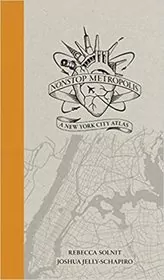
Nonstop Metropolis
by Rebecca Solnit
Rebecca Solnit and Joshua Jelly-Schapiro combine twenty-six thematic maps with essays exploring New York City and nearby New Jersey. Contributors examine language, music, history, urban life, and the environment, revealing overlapping stories across the five boroughs rather than a conventional street atlas.
Recommended by
1 person Laura R Walker recommended this book
Laura R Walker
"For New York City geeks—and I know a lot of them—I gave [this book]." - Laura R Walker
Laura R Walker's recommendation of this book
Where to start with Rebecca Solnit
If you want her feminist essays first: Men Explain Things to Me → The Mother of All Questions → Whose Story Is This? Old Conflicts, New Chapters
If you prefer memoir and personal history: Recollections of My Nonexistence → The Faraway Nearby → A Field Guide to Getting Lost
If you are drawn to politics and hope: Hope in the Dark → A Paradise Built in Hell → No Straight Road Takes You There
If you love books about place and landscape: Wanderlust → Savage Dreams → Storming the Gates of Paradise
If you want to explore the City Atlases: Infinite City: A San Francisco Atlas → Unfathomable City: A New Orleans Atlas → Nonstop Metropolis: A New York City Atlas
Rebecca Solnit sub-series and character series
Rebecca Solnit collections, short stories, and related book types
Short Stories/Novellas
Non-Fiction
Standalone Rebecca Solnit books
Author bio
Rebecca Solnit was born in 1961 in Bridgeport, Connecticut, and moved as a child to Novato, a small city north of San Francisco. Growing up in a violent household, she turned to books, art, and the landscapes around her as places of refuge and possibility.
California's public schools and public libraries gave her an education long before she ever thought of herself as a writer.
As a teenager she left conventional high school, completed an alternative program and the GED, then at seventeen went to study in Paris. Time abroad, and especially at a university there, widened her sense of history, politics, and art while confirming that she was most at home in the written word.
Back in California she finished a degree at San Francisco State University and went on to earn a master's in journalism at the University of California, Berkeley. By the late 1980s she had set herself up as an independent writer, reviewing art shows, writing catalogue essays, and slowly expanding from criticism into long-form nonfiction.
Her early books grew directly out of the places she knew best. Secret Exhibition looked at six experimental California artists of the Cold War era. Savage Dreams traced two intertwined wars in the American West, in Yosemite National Park and at the Nevada Test Site, while A Book of Migrations followed her on foot through Ireland in search of ancestry, exile, and belonging. With Wanderlust she began to map the cultural history of walking itself.
Place and story remain at the center of much of her work. In A Field Guide to Getting Lost and The Faraway Nearby she braids memoir, history, and myth to ask what it means to lose your way and to find it again. Her collaborative city atlases, Infinite City, Unfathomable City, and Nonstop Metropolis, use imaginative maps and essays to show San Francisco, New Orleans, and New York as overlapping networks of memory, injustice, and possibility.
At the same time she has written widely about politics, protest, and hope. Hope in the Dark and A Paradise Built in Hell recover hidden histories of grassroots victories and of people improvising mutual aid after disasters. Later works, including The Battle of the Story of the Battle of Seattle and No Straight Road Takes You There, argue that real change is often indirect and slow, and that stories about the past can open room for action in the present.
Her feminist essay collections brought her to a broad international audience. In Men Explain Things to Me, The Mother of All Questions, Call Them by Their True Names, and Whose Story Is This? she writes about mansplaining, violence against women, and the struggle over who is believed and who is heard, always tying individual experiences to larger systems of power.
In recent years she has also turned toward younger readers and visual collaborations, from the feminist fairy tales Cinderella Liberator and Waking Beauty to projects like Drowned River and the atlases that combine her essays with photography, drawing, and cartography.
Solnit continues to live in San Francisco and to write essays for magazines, newspapers, and online outlets while working with climate and human rights campaigns. Her books keep returning to the same core questions: how we inhabit places, how we tell the stories that shape our lives, and how ordinary people find room for courage and hope.









Edited by
Software engineer whose passion for tracking book recommendations from podcasts inspired the creation of MRB.
Lead investor at 3one4 Capital whose startup expertise and love for books helped shape MRB and its growth.
Comments
Did we miss something? Have feedback?
Help us improve this page by sharing your thoughts