
Rafael Sabatini Books in Order
Browse Rafael Sabatini books in order, with quick summaries, series links, and where to start with Scaramouche, Captain Blood, and the standalones.
Last updated:
As an Amazon Associate, we earn from qualifying purchases (at no extra cost to you).
Rafael Sabatini books in publication order
49 books
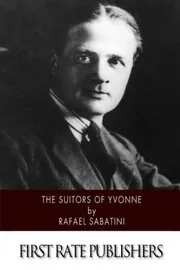
The Lovers of Yvonne / The Suitors of Yvonne
by Rafael Sabatini
1902
In seventeenth-century France, Gaston de Luynes is pulled into noble feuds, duels, and a risky courtship around the wealthy Yvonne. What begins as social comedy quickly turns into a struggle over honor, loyalty, and survival.
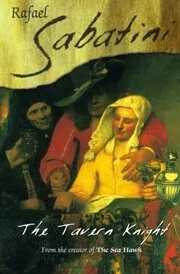
The Tavern Knight
by Rafael Sabatini
1904
Set in the English Civil War, this follows Sir Crispin Galliard, a bitter swordsman known as the Tavern Knight. Revenge drives him forward, but war, loyalty, and unexpected tenderness keep pulling him in harder directions.
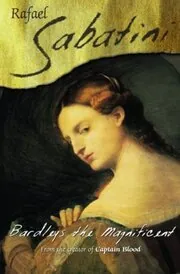
Bardelys The Magnificent
by Rafael Sabatini
1905
A reckless favorite of Louis XIII wagers that he can win a proud heiress who has resisted other suitors. Then Marcel de Saint-Pol rides into rebellion, treason, and a romance that stops feeling like a game.
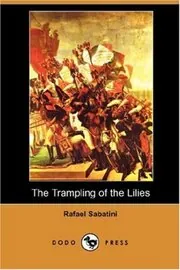
The Trampling of the Lilies
by Rafael Sabatini
1906
As France tips into revolution, Caron La Boulaye is caught between political upheaval and his love for Suzanne de Bellecour, an aristocrat's daughter. The book mixes romance with a close look at how ideals harden into violence.
Love-At-Arms
by Rafael Sabatini
1907
In Renaissance Italy, Count Francesco del Falco is drawn toward a conspiracy against a corrupt duke. Sabatini turns the plot into a tense mix of honor, ambition, danger, and hard choices about what loyalty really means.
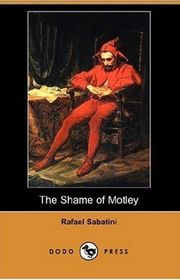
The Shame of Motley
by Rafael Sabatini
1908
Lazzaro Biancomonte is stripped of his place and forced into the humiliating role of court fool in Pesaro. Behind the bells and bright cloth, though, he is still hunting dignity, justice, and a way back to himself.
St Martin's Summer
by Rafael Sabatini
1909
One of Sabatini's lighter romances, this gives a man nearing forty an unexpected late chance at love. Comic misunderstandings, swordplay, and quick turns keep the story moving with a more playful tone than many of his darker adventures.
Mistress Wilding / Anthony Wilding
by Rafael Sabatini
1910
Against the Monmouth Rebellion, Anthony Wilding rides between rebel hopes, government plots, and the woman he cannot reach cleanly. Politics and mistrust keep turning private feeling into public danger.

The Lion's Skin
by Rafael Sabatini
1911
Justin Caryll, raised in France and tied to old wrongs in England, goes in search of vengeance against the father who never acknowledged him. Instead he finds rebellion, rivalry, and a harder test of character than revenge alone.

The Justice of the Duke
by Rafael Sabatini
1912
This early collection brings together historical tales of duels, schemes, reversals, and hard judgments, many set in Renaissance Italy. It works best as a sampler of Sabatini's shorter, sharper kind of storytelling.
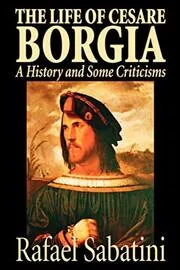
The Life of Cesare Borgia
by Rafael Sabatini
1912
Sabatini's biography follows Cesare Borgia through war, papal politics, and the reputation that trailed him after death. It reads with the energy of narrative history while constantly arguing with easy legends.
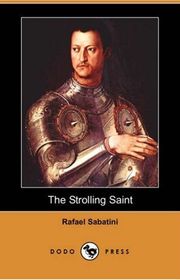
The Strolling Saint
by Rafael Sabatini
1913
Agostino d'Anguissola grows up caught between a mother's fierce piety and a father's rebellious legacy. Told as his confessions, the novel follows his struggle with identity, power, appetite, and the shape of holiness.

Torquemada and the Spanish Inquisition
by Rafael Sabatini
1913
This history studies Tomás de Torquemada and the machinery of the Spanish Inquisition in detail. Sabatini is interested in both the man and the system, and in how fear becomes policy.
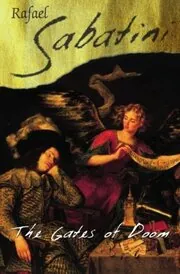
The Gates Of Doom
by Rafael Sabatini
1914
A Jacobite mission meets greed and political intrigue when Captain Gaynor is told to trust Lord Pauncefort. Sabatini turns the setup into a tense story of secret loyalties, financial panic, and bad men behind polished manners.

The Banner of the Bull
by Rafael Sabatini
1915
Three linked episodes use Cesare Borgia's world of ambition, warfare, and court craft as their backdrop. Shorter than the novels, these stories still carry plenty of motion and danger.
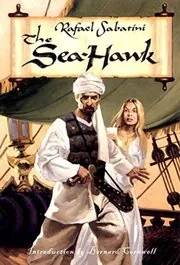
The Sea-Hawk
by Rafael Sabatini
1915
Betrayed by his jealous half-brother, Sir Oliver Tressilian is sold into slavery and remade on the Barbary Coast. His rise as the corsair Sakr-el-Bahr gives the novel both sweeping sea adventure and a personal story of vengeance.
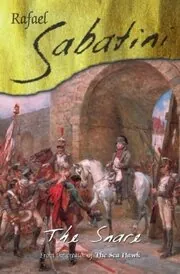
Snare
by Rafael Sabatini
1917
During the Peninsular War in Portugal, a young officer's drunken blunder gives enemy plotters their chance. Sir Terence O'Moy must sort out the wreckage while choosing between military duty, family loyalty, and jealousy at home.
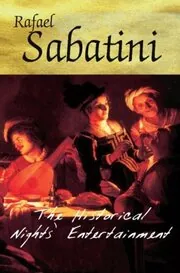
The Historical Night's Entertainment
by Rafael Sabatini
1917
These pieces retell striking episodes from history with the pace and shape of short fiction. If you like Sabatini's sense of incident but want briefer reads, this collection is a good fit.
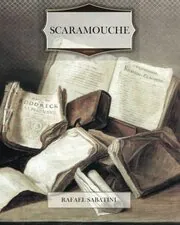
Scaramouche
by Rafael Sabatini
1921
In the first shocks of the French Revolution, Andre-Louis Moreau reinvents himself as actor, pamphleteer, and swordsman after an aristocrat kills his friend. Revenge drives him, but politics and hidden ties make the fight messier than he expects.
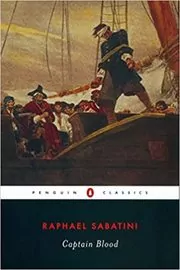
Captain Blood
by Rafael Sabatini
1922
Peter Blood, an Irish doctor caught aiding a wounded rebel, is sentenced to slavery in Barbados. His escape turns him into a feared pirate captain, but freedom at sea keeps colliding with love, honor, and politics.
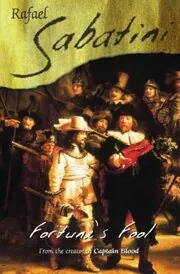
Fortune's Fool
by Rafael Sabatini
1922
Former Cromwell officer Randal Holles returns to Restoration London poor, tainted by his family name, and out of chances. A dirty commission from the Duke of Buckingham offers survival, but only at the cost of his honor.

The Carolinian
by Rafael Sabatini
1925
Harry Latimer moves through South Carolina on the edge of revolt as the American Revolution tests every loyalty around him. Sabatini brings military intrigue and romance together in a colony where personal ties never stay simple.
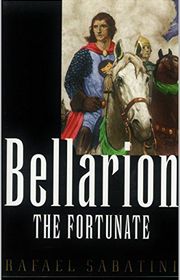
Bellarion the Fortunate
by Rafael Sabatini
1926
A clever young scholar rises from obscurity into the wars and politics of fifteenth-century Italy. Bellarion survives by brains as much as courage, which gives this novel a slightly different feel from Sabatini's sea heroes.

The Nuptials of Corbal
by Rafael Sabatini
1927
Set during the French Revolution, this follows a daring French adventurer who makes a habit of rescuing the condemned from the guillotine. It is fast, theatrical, and full of close escapes.
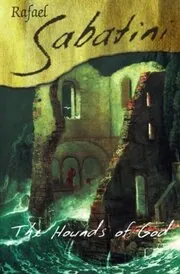
The Hounds of God
by Rafael Sabatini
1928
When Margaret Trevanion is carried into Spain by a shipwrecked captain she once helped, the chase runs through Elizabethan politics and the Inquisition. It is darker than Sabatini's pirate tales, but just as driven by danger and resolve.
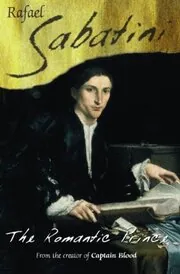
The Romantic Prince
by Rafael Sabatini
1929
This is a court romance shaped by inheritance, marriage politics, and the narrow choices power leaves to private people. Sabatini leans less on swashbuckling here and more on the human cost of dynastic ambition.
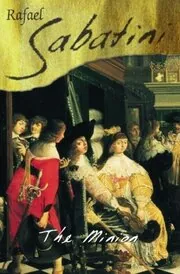
The King's Minion / The Minion
by Rafael Sabatini
1930
Drawing on the career of Robert Carr, the novel follows a royal favorite rising fast at James I's court. Power, dependence, and the shadow of the Overbury affair give the story its bite.

Captain Blood Returns
by Rafael Sabatini
1931
This linked set of adventures drops Peter Blood back into rescues, sea fights, and sudden reversals across the Spanish Main. The episodes widen his legend while keeping his wit, nerve, and stubborn code intact.
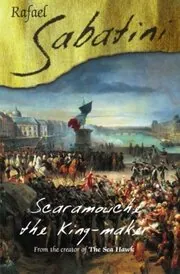
Scaramouche The King Maker
by Rafael Sabatini
1931
Picking up where Scaramouche ends, Andre-Louis Moreau enters the later Revolution with Baron de Batz and a dangerous royalist scheme. The book trades some theater for deeper political intrigue, espionage, and questions of loyalty.
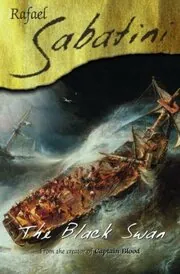
The Black Swan
by Rafael Sabatini
1931
A former buccaneer is sent after a rogue pirate just as old loyalties and a difficult love affair begin to pull against his orders. The result is a brisk Caribbean adventure with chase, treachery, and sharp reversals.
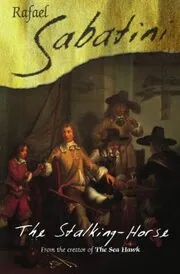
The Stalking-Horse
by Rafael Sabatini
1933
Set in the Jacobite plots of the 1690s, this follows Ailsa Macdonald and her circle as politics, vengeance, and personal loyalty keep crossing. It is more conspiratorial than carefree, with danger always close to home.
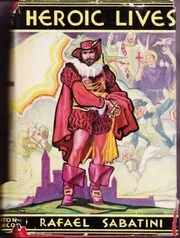
Heroic Lives
by Rafael Sabatini
1934
Sabatini offers lively biographical portraits of figures including Richard the Lionheart, Joan of Arc, Sir Walter Raleigh, Lord Nelson, and Florence Nightingale. The emphasis is on character under pressure, not dry dates.
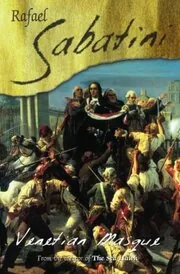
Venetian Masque
by Rafael Sabatini
1934
A French aristocrat, believed dead, reaches Venice on a secret mission as Napoleon reshapes northern Italy. Masks, spies, divided loyalties, and a slow pressure of danger make this one of Sabatini's more intricate later novels.
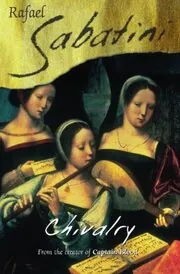
Chivalry
by Rafael Sabatini
1935
Colombo da Siena is a mercenary captain trying to live by older ideals in a harder fifteenth-century world. War, love, and politics keep testing whether chivalry is a strength or a liability.
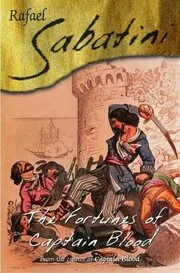
The Fortunes of Captain Blood
by Rafael Sabatini
1936
More episodic adventures follow Blood through prize ships, ransoms, ambushes, and moral tests at sea. It is a brisk companion to the earlier books, with the same sharp dialogue and high-risk improvising.
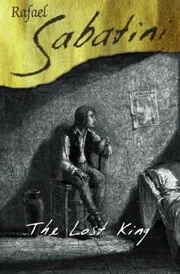
The Lost King
by Rafael Sabatini
1937
Sabatini returns to Revolutionary France in a story built around Louis XVII, rescue plots, and the dangerous hunger for a restored monarchy. It mixes suspense, disguise, and political maneuvering more than battlefield action.
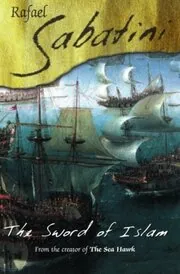
The Sword Of Islam
by Rafael Sabatini
1939
A Mediterranean adventure of corsairs, captivity, and divided loyalties, this novel tracks lives caught between Christian Europe and the Muslim world. Sabatini uses the sea war setting to raise questions about faith, identity, and power.
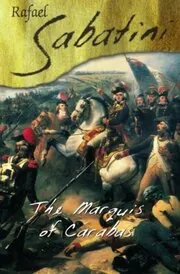
The Marquis Of Carabas / Master-At-Arms
by Rafael Sabatini
1940
Master swordsman Quentin de Morlaix heads into Revolution-era France to claim an inheritance and finds himself in royalist intrigue. The book blends fencing, politics, and a country tipping toward terror.
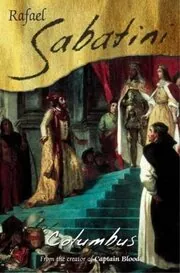
Columbus
by Rafael Sabatini
1941
Sabatini turns Christopher Columbus into the center of a historical novel about ambition, court politics, Atlantic voyages, and private feeling. It follows him from the Spanish court through the great crossing and into the strain of success.
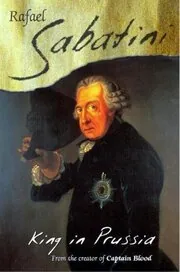
King In Prussia / The Birth of Mischief
by Rafael Sabatini
1944
This novel looks at the formative years of Frederick the Great, where family pressure, military discipline, and youthful rebellion collide. Sabatini treats statecraft and private feeling as equally dangerous arenas.

Turbulent Tales
by Rafael Sabatini
1946
A late story collection of historical adventure, this gathers shorter pieces about intrigue, deception, and narrow escapes. It includes several Cagliostro stories and shows Sabatini still enjoying a well-set plot.
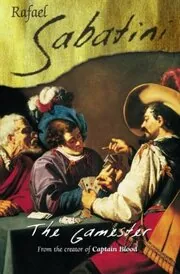
Gamester
by Rafael Sabatini
1949
Built around the career of John Law, this late novel follows a brilliant risk-taker through gambling, finance, and the seductions of easy wealth. It is less swashbuckling than Sabatini's best known work, but rich in intrigue.

Saga of the Sea
by Rafael Sabatini
1953
This omnibus gathers three of Sabatini's major sea adventures, The Sea-Hawk, The Black Swan, and Captain Blood. It is a handy way to read his best known swashbuckling fiction in one place.

A Fair Head of Angling Stories
by Rafael Sabatini
1989
This posthumous collection shows Sabatini in a quieter key, gathering stories shaped around fishing, outdoorsmanship, and chance meetings. It is a useful detour if you want something gentler than the swashbucklers.

The Fortunes of Casanova and Other Stories
by Rafael Sabatini
1994
This collection pairs a run of Casanova stories with other historical rogues and tricksters. The mood shifts from witty to dangerous, but the pleasure is the same, clever people improvising under pressure.

The Outlaws of Falkensteig
by Rafael Sabatini
2003
These early stories lean into bandits, duels, escapes, and romantic trouble in a continental adventure mode. The collection is rougher than the famous novels, but you can see Sabatini's instincts already at work.
The Treasure Ship
by Rafael Sabatini
2004
In this Captain Blood tale, a richly laden Spanish prize looks like pure opportunity until timing, rivals, and risk complicate everything. It is a short, sharp example of Blood's gift for turning chance into action.

The Collected Short Stories of Rafael Sabatini
by Rafael Sabatini
2009
A large selection of Sabatini's shorter fiction, this volume ranges across centuries, countries, and kinds of trouble. It is best for readers who want breadth, rare pieces, and quick bursts of his style.

The Tyrant
by Rafael Sabatini
2021
This play takes up Cesare Borgia again, not as biography but as stage drama. Power, calculation, and the human cost of ambition are pushed forward in a tighter, more theatrical form.
Where to start with Rafael Sabatini
If you want the signature swashbucklers: Scaramouche → Captain Blood → The Sea-Hawk
If you want French Revolution intrigue: Scaramouche → Scaramouche The King Maker → The Lost King
If you want pirate adventures: Captain Blood → Captain Blood Returns → The Fortunes of Captain Blood → The Black Swan
If you want a great standalone: Bellarion the Fortunate → Bardelys The Magnificent → The Carolinian
Rafael Sabatini sub-series and character series
Rafael Sabatini collections, short stories, and related book types
Short Stories/Novellas
Short Story Collections
Plays
Non-Fiction
Standalone Rafael Sabatini books
Author bio
Rafael Sabatini was born in Jesi, Italy, on April 29, 1875, to parents who lived by performance. His mother, Anna Trafford, was English and his father, Vincenzo Sabatini, was Italian. Both were opera singers before they turned to teaching, so from the start his life was full of movement, languages, and people slipping between countries and roles.
He spent part of his childhood with his mother's family near Liverpool. Then came school in Porto, in Portugal, and later years in Switzerland. By his teens he had Italian, English, Portuguese, French, and German at his command, and he had already started trying his hand at writing.
English was not the obvious choice.
But it became the one that mattered most. Sent to England at seventeen and guided toward a business career, Sabatini worked for years in a Liverpool office handling foreign correspondence. He wrote at night, moved into journalism, sold short stories in the 1890s, and slowly built a second life on paper before leaving commerce for good just before the publication of his second novel.
His first novel, The Lovers of Yvonne, appeared in 1902. Real fame took much longer. After a long apprenticeship came Scaramouche in 1921, then Captain Blood in 1922, and suddenly he was the writer many readers still mean when they think of classic swashbuckling fiction. The Sea-Hawk, Bellarion the Fortunate, and The Black Swan helped keep that run going.
What readers tend to like is easy to spot. Sabatini wrote fast-moving stories, but he also liked clever talk, moral pressure, and heroes who had to think their way through trouble. His books are full of revolutions, court politics, betrayals, and duels, yet the strongest thread is often a personal one, a man trying to live by some code when history keeps making that harder.
He liked history, but he liked movement even more.
That is why the settings vary so much. One book may be in Revolutionary France, another in the Caribbean after the Monmouth Rebellion, another in Renaissance Italy or on the Barbary Coast. He returned often to questions of justice, legitimacy, tolerance, and the gap between public labels and private character. Even when the stories move at a sprint, those ideas stay in the room.
Sabatini was not only a novelist. He also wrote biographies and histories, including The Life of Cesare Borgia and Torquemada and the Spanish Inquisition, as well as short stories and plays. Several of his novels were adapted for film, and that makes sense once you read him. He thought in scenes, entrances, reversals, and sharp exits.
His life was not without hard stretches. He became a British citizen in 1918 and did a period of work for British intelligence during the First World War. Later came family losses, including the death of his only son in 1927, and illness slowed his writing in the 1940s. He spent later years in the country he loved on the border of England and Wales, and he died in Adelboden, Switzerland, on February 13, 1950.
A century on, the books still feel clear in their aims. They want to entertain, yes, but they also care about courage, self-command, and the trouble people get into when power decides it never has to answer for itself.











Edited by
Software engineer whose passion for tracking book recommendations from podcasts inspired the creation of MRB.
Lead investor at 3one4 Capital whose startup expertise and love for books helped shape MRB and its growth.
Comments
Did we miss something? Have feedback?
Help us improve this page by sharing your thoughts