
Primrose Square Books in Order
Part ofClaudia Carroll Books in OrderSee all the Primrose Square books by Claudia Carroll in order, with summaries, background on the Dublin setting and guidance on where new readers should begin.
Last updated:
As an Amazon Associate, we earn from qualifying purchases (at no extra cost to you).
Primrose Square books in publication order
2 books
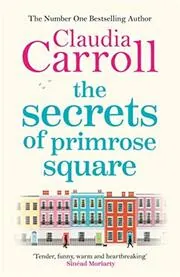
The Secrets of Primrose Square
by Claudia Carroll
2018
One stormy Dublin night, a grieving mother keeps vigil outside the house of the boy she blames for her daughter’s death. Nearby, her younger child, a widowed neighbour and a runaway theatre director face their own crises as secrets on the square slowly connect.
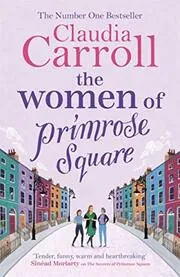
The Women of Primrose Square
by Claudia Carroll
2019
On the eve of his fiftieth birthday, dependable Frank Woods shocks his family by stepping into his truth as Francesca. Moving in with prickly recluse Violet and newly sober Emily, she confronts gossip, prejudice and the messy work of rebuilding a life.
Primrose Square books in chronological order
Series background & context
Primrose Square is a small, pretty park in the heart of Dublin, ringed by houses that look almost identical from the outside. Claudia Carroll uses that neat, ordered setting as a backdrop for lives that are anything but tidy, following a handful of neighbours whose paths keep crossing in unexpected ways.
The first book, The Secrets of Primrose Square, opens on a stormy night when a grieving mother stands outside the home of the teenager she believes is responsible for her daughter’s death. On the same square, her younger child waits anxiously at home, a widowed neighbour is reeling after dropping a bombshell on her family and an ambitious theatre director from London has just moved into a flat across the way, hoping Dublin will give her a clean slate. Each woman carries her own private heartbreak, and as the story unfolds, the connections between their houses, histories and hopes slowly come into focus.
In The Women of Primrose Square the spotlight turns to Frank Woods, a dependable husband and father who has spent years feeling invisible. On the night of his fiftieth birthday he finally decides to live as the woman he has always known himself to be, Francesca. The fallout from that decision ripples through his family and the square, and Francesca ends up lodging with notorious letter-writer Violet Hardcastle, who has not left her house in years, and Emily, a young woman fresh out of rehab and desperate to make amends.
Across the two books, Primrose Square becomes a kind of small urban village. Long-time residents, new arrivals, lonely teenagers and older widows all watch one another from behind net curtains, quick to judge but also quick to close ranks when trouble comes. The stories are full of grief, addiction, shame and the fear of being seen, yet they are also about tiny acts of kindness, unlikely friendships and the courage it takes to start again.
The tone is warm and conversational, but Carroll does not shy away from big issues. She writes about bereavement, mental health, identity and family estrangement in simple, direct language, letting the drama grow naturally out of everyday details like school runs, park benches and shared stairwells. The square itself almost feels like another character, with its changing light, weather and seasons mirroring what the people who live there are going through.
You can read either novel on its own, but starting with The Secrets of Primrose Square gives you a feel for the layout of the square and introduces several faces who reappear later in new guises. The Women of Primrose Square then digs deeper into how a tight-knit community reacts when someone steps outside the roles they have always been assigned.
Taken together, the Primrose books are less about one central mystery and more about what happens when the doors on an ordinary Dublin square swing open and everyone is finally forced to stop pretending.













Edited by
Software engineer whose passion for tracking book recommendations from podcasts inspired the creation of MRB.
Lead investor at 3one4 Capital whose startup expertise and love for books helped shape MRB and its growth.
Comments
Did we miss something? Have feedback?
Help us improve this page by sharing your thoughts