
Post War Saga Books in Order
Part ofFreda Lightfoot Books in OrderSee the Post War Saga books by Freda Lightfoot in order, with summaries, postwar background, and help picking the best place to begin.
Last updated:
As an Amazon Associate, we earn from qualifying purchases (at no extra cost to you).
Post War Saga books in publication order
3 books
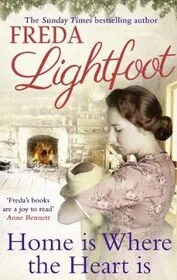
Home Is Where The Heart Is
by Freda Lightfoot
2015
In 1945, Cathie thinks peace will finally bring her happiness. But when her fiance returns from the war changed and frightening, she must choose between loyalty to the past and safety for herself and the baby in her care.
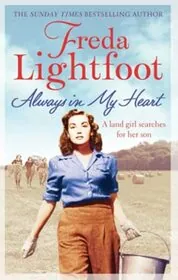
Always In My Heart
by Freda Lightfoot
2016
Brenda Stuart comes home widowed and accused of favouring the Germans during the war. As she and Prue try to rebuild their lives, love, grief, and public suspicion make every fresh start feel uncertain.
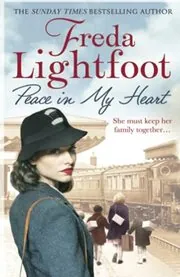
Peace In My Heart
by Freda Lightfoot
2017
With the war over, Evie Talbert longs to gather her family under one roof again. Instead she faces changed children, a traumatised husband, and the hard work of rebuilding a home that no longer feels whole.
Post War Saga books in chronological order
Series background & context
The Post War Saga books focus on what happens after the cheering stops. Freda Lightfoot uses the end of the Second World War not as a neat happy ending, but as the start of a new set of problems. Peace has arrived, but families are changed, children have been scattered, and many of the men coming home are not the people they were before.
These are war stories told after the guns fall silent.
The trilogy is linked more by mood and theme than by a single continuous plot. In Home Is Where The Heart Is, Cathie is waiting for a future that feels almost within reach, only to find that the man she loved has come back damaged and frightening. In Always In My Heart, widowhood, public suspicion, and the difficulty of loving again are pushed to the front, especially through Brenda Stuart and Prue. In Peace In My Heart, Evie Talbert faces the challenge of bringing an evacuated family back together, only to discover how deeply the war has altered her children and her husband.
What makes the series work is its attention to the private side of history. These books are not mainly about battlefields. They are about kitchens, bedrooms, family businesses, awkward reunions, and the strain of trying to restore ordinary life when nothing feels ordinary anymore. Lightfoot is especially good on the quiet aftermath, the fear, the shame, the suspicion, and the exhaustion that can sit behind the word peace.
Women carry much of the burden here. They are expected to welcome people home, smooth over trouble, raise children, manage money, and keep hope alive. The books do not romanticise that work, but they do show how much courage it takes.
The tone is emotional and humane rather than sensational. There is romance, but it sits inside larger questions about safety, trust, and whether a home can really be rebuilt once war has torn through it.
That is the heart of the trilogy. Not victory, but repair.
If you enjoy postwar fiction that stays close to domestic life and the emotional cost of survival, this series is one of Lightfoot's most direct and affecting.













Edited by
Software engineer whose passion for tracking book recommendations from podcasts inspired the creation of MRB.
Lead investor at 3one4 Capital whose startup expertise and love for books helped shape MRB and its growth.
Comments
Did we miss something? Have feedback?
Help us improve this page by sharing your thoughts