
Plague of Angels Books in Order
Part ofSheri S Tepper Books in OrderSee the Plague of Angels books by Sheri S Tepper in order, with quick summaries, series background, and help choosing where to begin.
Last updated:
As an Amazon Associate, we earn from qualifying purchases (at no extra cost to you).
Plague of Angels books in publication order
3 books

A Plague of Angels
by Sheri S Tepper
1993
In a broken future Earth where fairy-tale creatures have returned, Abasio joins Orphan against the ruthless Witch. Their fight becomes a struggle over who gets to shape the next world.
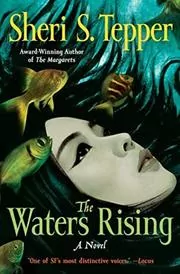
The Waters Rising
by Sheri S Tepper
2010
Long after the Big Kill, the seas are climbing and the world is failing again. Xulai, once an expendable girl, may be central to whatever hope humanity has left.
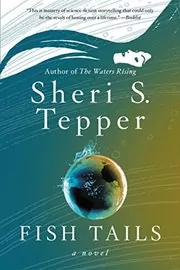
Fish Tails
by Sheri S Tepper
2014
Abasio and Xulai travel a slowly drowning Earth, trying to find who and what is worth saving before the waters finish the job. The journey also uncovers the truth behind the flood.
Plague of Angels books in chronological order
Series background & context
The Plague of Angels books form one of Tepper's late linked sequences, and they show how easily she could move between fantasy imagery and science fiction structure. A Plague of Angels, The Waters Rising, and Fish Tails are all part of the same broad future, a damaged Earth where technology lingers in scraps, mythic creatures have returned, and the natural world is no longer willing to cooperate with human arrogance.
It begins in a half-broken world.
In A Plague of Angels, much of humanity is already dreaming of escape. Space looks cleaner than Earth. Cities are crumbling. Suburbs cling to old protections. Gangs, prophecy, and fairy-tale shapes move through the ruins. Abasio and Orphan become the human center of the first book, while Witch's ambition gives the story a sharp, personal menace. Tepper uses their journey to show a landscape where science-fiction leftovers and mythic patterns now share the same ground.
The later books widen the frame. The Waters Rising brings Xulai to the front as the seas begin swallowing more and more of the world. What looked like aftermath becomes a new catastrophe. Old sins are still present, but now the planet itself seems to be changing the terms. In Fish Tails, Abasio and Xulai move through the last stages of that transformation, trying to find who and what might still be worth saving.
What makes the series hang together is its road-story feel. Characters travel through villages, wastelands, drowned country, and fragments of older civilization, meeting people who are frightened, greedy, generous, ridiculous, stubborn, or all four at once. Tepper likes that kind of moving viewpoint because it lets her keep testing the same question in new places: when a world is clearly ending, what kind of behavior still counts as human?
The books are also deeply ecological without pretending that ecology is a neutral subject. Power, class, religion, gender, and violence keep shaping who suffers first and who calls the suffering natural. Tepper does not let anybody off easily, least of all human institutions that insist on mastery while the ground is giving way underneath them.
There is anger in these books.
There is also tenderness, odd humor, and a real fascination with transformation. The trilogy is not cozy reading, but it is vivid reading. If you want a connected set of novels where apocalypse feels both mythic and material, and where survival always carries a moral charge, the Plague of Angels sequence is one of Tepper's strongest later projects.












Edited by
Software engineer whose passion for tracking book recommendations from podcasts inspired the creation of MRB.
Lead investor at 3one4 Capital whose startup expertise and love for books helped shape MRB and its growth.
Comments
Did we miss something? Have feedback?
Help us improve this page by sharing your thoughts