
Philip Dryden Books in Order
Part ofJim Kelly Books in OrderSee the Philip Dryden books by Jim Kelly in order, with quick summaries, Fenland series background, and simple advice on where to start.
Last updated:
As an Amazon Associate, we earn from qualifying purchases (at no extra cost to you).
Philip Dryden books in publication order
7 books
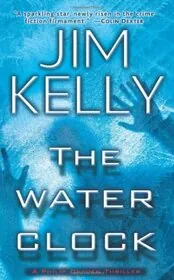
The Water Clock
by Jim Kelly
2002
When a corpse on Ely Cathedral is linked to a mutilated body pulled from icy water, reporter Philip Dryden knows he has a major story. The case also draws him back to the crash that left his wife in a coma.
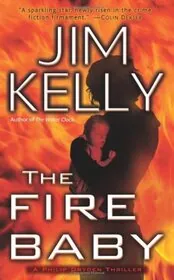
The Fire Baby
by Jim Kelly
2004
A dying woman's confession revives the story of a 1976 plane crash in the Cambridgeshire Fens, where she walked from the flames carrying a baby who was not her own. Philip Dryden follows the secret into murder.
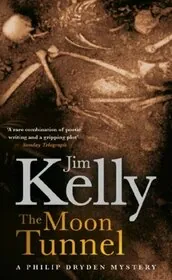
The Moon Tunnel
by Jim Kelly
2005
Archaeologists uncover human remains in an old POW escape tunnel near Ely, and the dead man seems to have been breaking into the camp, not out of it. Dryden's curiosity soon stirs up a second, far more recent body.
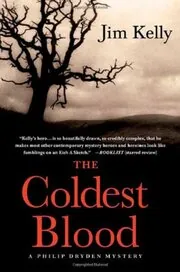
The Coldest Blood
by Jim Kelly
2006
In a brutal Ely winter, a lonely man freezes to death in his flat, but Philip Dryden doubts he died alone. A second frozen corpse leads him toward betrayal, cruelty, and an old mystery from his own childhood.
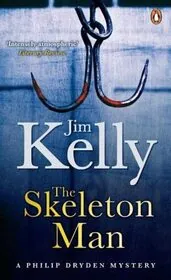
The Skeleton Man
by Jim Kelly
2007
Army exercises in an abandoned Fenland village uncover a hidden cellar and a skeleton hanging inside. When an amnesiac man is pulled from the river soon after, Philip Dryden finds himself chasing a mystery buried for years.
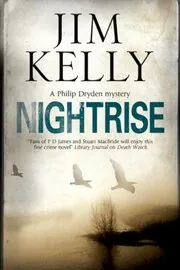
Nightrise
by Jim Kelly
2012
Philip Dryden is told his father has died in a car crash, even though he supposedly drowned decades earlier. As Dryden follows that shock, a shooting in a lettuce field and a buried-baby case begin to point toward the same truth.

The Funeral Owl
by Jim Kelly
2013
A rare owl sighting draws Philip Dryden into the West Fens just before violence erupts across the district. With a body on a church cross, thefts, and an old art crime resurfacing, the local reporter has more than one trail to follow.
Philip Dryden books in chronological order
Series background & context
Philip Dryden is not a police detective. He is the chief reporter, and later editor, of Ely's local paper, The Crow, and that gives the series its angle from the first page. He chases murders with a notebook, a press card, and a reporter's habit of asking the next awkward question. The stories are set in the Cambridgeshire Fens, where flat fields, drainage channels, lonely roads, and sudden weather are part of the plot, not just the scenery.
At the start of the series, Dryden is carrying a private wound as heavy as any case file. A car crash on a foggy Fen road nearly killed him and left his wife Laura in a coma, so every investigation brushes against guilt, memory, and the need to know what really happened that night. His most reliable companion is Humph, the cab driver who ferries him across the Fens and quietly becomes much more than transport.
These are newspaper mysteries at heart.
That means the books care about sources, rumors, deadlines, and the odd way a local paper sits in the middle of a community. Dryden moves between hospital wards, police cordons, cathedral roofs, village pubs, farms, and riverbanks, always trying to turn scraps into a story before somebody else closes the door. In The Water Clock and The Fire Baby, that mix of personal stake and public investigation is there from the beginning. By the time you get to The Moon Tunnel, Nightrise, and The Funeral Owl, the series has built a whole world around him.
The crimes themselves often begin with a striking image: a body on Ely Cathedral, bones in a wartime tunnel, a skeleton in an abandoned village cellar, a rare owl that seems to herald disaster. Kelly likes cases where the past will not stay buried. Old robberies, wartime damage, family lies, and local legends keep resurfacing, and Dryden is usually the person stubborn enough to follow the thread.
The setting does a lot of work. Ely is small enough for everyone to know someone involved, but the wider Fens feel open, lonely, and hard to read. Floodwater rises, frost locks the land, dust storms sweep through, and history sits close to the surface. The books are moody without being gloomy, and humane without losing their edge. There is wit too, mostly in the newsroom life and in Dryden's dry way of taking in the chaos around him.
If you like crime fiction where place matters as much as plot, this series is a very good fit. Start with The Water Clock if you can, because Dryden's home life changes across the books and that long thread is part of what makes the series work so well.





Edited by
Software engineer whose passion for tracking book recommendations from podcasts inspired the creation of MRB.
Lead investor at 3one4 Capital whose startup expertise and love for books helped shape MRB and its growth.
Comments
Did we miss something? Have feedback?
Help us improve this page by sharing your thoughts