
Peter Straub Books in Order
Explore Peter Straub books in order, with quick summaries, series guides, and help choosing where to start, from Ghost Story to the Blue Rose novels.
Last updated:
As an Amazon Associate, we earn from qualifying purchases (at no extra cost to you).
Peter Straub books in publication order
40 books

Ishmael
by Peter Straub
1972
One of Straub's earliest books, Ishmael is a slim poetry collection from his Dublin years. It shows the lyrical, image-driven side of a writer who had not yet fully turned toward horror fiction.

Open Air
by Peter Straub
1972
Open Air is an early poetry collection from Straub's time in Ireland. The poems catch him in formation, testing voice, image, and mood before the novels took over.
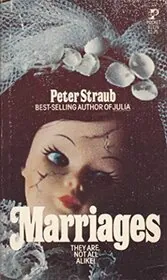
Marriages
by Peter Straub
1973
Straub's first novel is a literary story of an American abroad, moving through marriage, infidelity, and emotional drift in Europe. It is a quieter, more realistic beginning to a career that later turned dark.
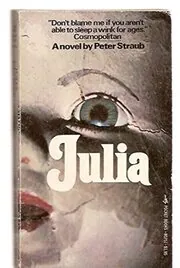
Julia / Full Circle
by Peter Straub
1975
After the death of her daughter, Julia tries to start over alone in a London house. Instead she finds a presence that may belong to a murdered child, or to grief turning monstrous.
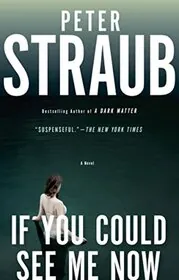
If You Could See Me Now
by Peter Straub
1977
Miles Teagarden returns to Arden, Wisconsin, twenty years after a summer night that ruined several lives. The town remembers, another girl goes missing, and his past begins to feel violently alive.
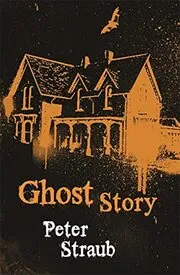
Ghost Story
by Peter Straub
1979
Four old men in the Chowder Society are haunted by a buried sin and the death of a fifth member. When winter closes in on Milburn, their private guilt opens the door to something ravenous.
Shadowland
by Peter Straub
1980
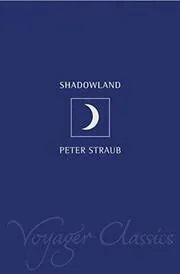
At an Arizona prep school, Tom Flanagan befriends gifted young magician Del Nightingale. Their bond leads to Del's uncle's estate in Vermont, where illusion, cruelty, and real magic become impossible to separate.
Floating Dragon
by Peter Straub
1982
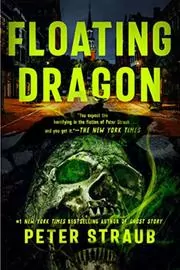
The town of Hampstead faces two horrors at once, a toxic man-made cloud and an older evil rising beneath it. Straub turns suburbia into a battleground between chemical nightmare and pure supernatural dread.
The General's Wife
by Peter Straub
1982
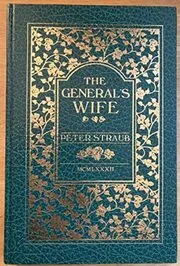
A slim standalone horror piece spun out of the imaginative territory around Floating Dragon. Straub uses domestic unease and gathering menace to make a small story feel uncomfortably large.

Leeson Park and Belsize Square
by Peter Straub
1983
This poetry volume gathers work from 1970 to 1975, covering Straub's Dublin and London years. It offers a useful glimpse of the sensibility that later fed the novels.
The Talisman
by Peter Straub
1984
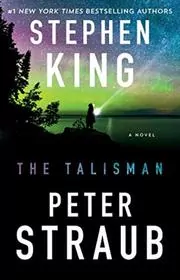
Twelve-year-old Jack Sawyer crosses America, and a parallel world called the Territories, to find the talisman that might save his mother's life. It is a huge quest story powered by grief, danger, and stubborn love.
Under Venus
by Peter Straub
1985
This early literary novel follows an expatriated artist returning home, caught between adultery, ambition, and the pressures he thought he had escaped. It shows Straub before horror took center stage.
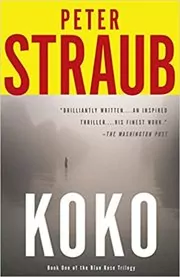
Koko
by Peter Straub
1988
Four Vietnam veterans reunite to hunt a serial killer they think is one of their own. Their search moves from Washington to Southeast Asia and forces them back into the war they never really left behind.
Recommended by
1 person Stephen King recommended this book
Stephen King
"One of the great novels of the 20th century’s second half." - Stephen King
Stephen King's recommendation of this book
Houses Without Doors
by Peter Straub
1990
Straub's first major story collection ranges from quiet dread to full nightmare. It includes key shorter works such as Blue Rose, The Juniper Tree, The Buffalo Hunter, and Mrs. God.
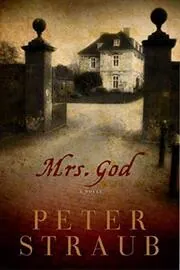
Mrs. God
by Peter Straub
1990
Scholar William Standish accepts a fellowship at an isolated English house to study a forgotten poet. The deeper he digs, the more the house, its keeper, and his own mind start closing around him.
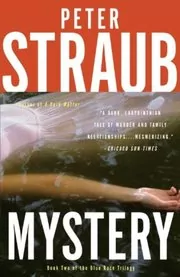
Mystery
by Peter Straub
1990
After a near-fatal accident, Tom Pasmore becomes fascinated by detection and falls under the influence of the reclusive Lamont von Heilitz. Their search through the secrets of Mill Walk turns into a lush, dangerous coming-of-age mystery.
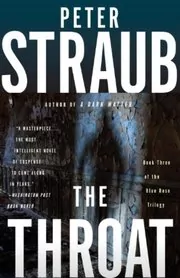
The Throat
by Peter Straub
1993
Tim Underhill goes home to help investigate brutal murders that seem tied to an older, hidden history. The case pulls together the Blue Rose books and turns memory itself into evidence.

The Horror Writers Association Presents Peter Straub's Ghosts
by Peter Straub
1995
Edited by Straub, this anthology gathers ghost stories from multiple writers and opens with one of his own. It is a broad tour through spectral fiction, from melancholy hauntings to nastier visitations.
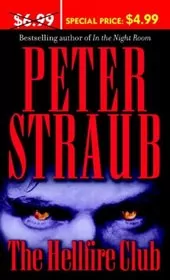
The Hellfire Club
by Peter Straub
1996
Nora Chancel's unhappy marriage gets tangled with a local serial killer, an old publishing dynasty, and the mystery behind a famous cult novel. Straub mixes domestic unease, metafiction, and pursuit into one long dark chase.
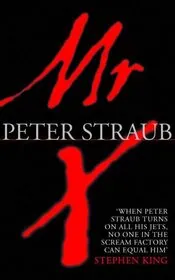
Mr. X
by Peter Straub
1999
On the eve of his thirty-fifth birthday, Ned Dunstan goes looking for the father he never knew. What he finds is a family history of doubles, hauntings, and a predator who may be closer than blood.

Magic Terror
by Peter Straub
2000
This seven-story collection shows Straub working in compact form with unusual freedom. Jazz, war memory, grotesque violence, and sly literary games all feed the unease.
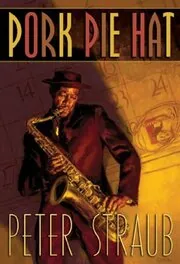
Pork Pie Hat
by Peter Straub
2000
A jazz-obsessed student tracks down an aging saxophone legend and wins a long, boozy interview. The story he hears reaches back to childhood terror and a haunting crime that refuses to stay in the past.
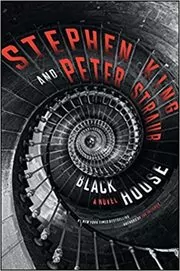
Black House
by Peter Straub
2001
An adult Jack Sawyer is pulled into a series of child murders in French Landing, Wisconsin. The case leads toward a sinister house in the woods and the old worlds he has tried to forget.
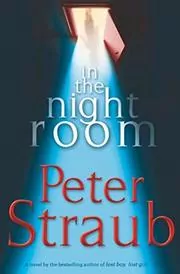
In the Night Room
by Peter Straub
2003
Tim Underhill starts receiving messages that seem to come from the dead, while writer Willy Patrick finds her own life slipping toward nightmare. Straub turns authorship, memory, and haunting into one slippery, metafictional thriller.
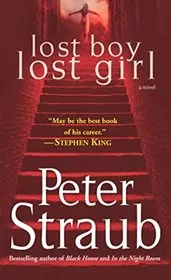
lost boy lost girl
by Peter Straub
2003
Tim Underhill returns to his hometown after a family tragedy and finds a haunted house, a missing past, and the shadow of a serial killer. It is a grief-struck mystery that keeps opening into horror.

The Little Blue Book of Rose Stories
by Peter Straub
2005
A slim Blue Rose chapbook, this little volume gathers related stories from Straub's most intricate fictional world. It is small in size but rich in the atmosphere of hidden crimes and damaged minds.
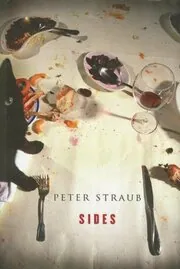
Sides
by Peter Straub
2007
Straub's nonfiction collection gathers introductions, essays, speeches, and critical pieces from across his career. It offers a sharp look at the books, writers, and ideas that fed his fiction.

5 Stories
by Peter Straub
2008
Five longer pieces, more experimental than Straub's earlier collections, move through noir, hospital unease, fairy tale, and the uncanny. It is a sharp showcase for his range in short fiction.
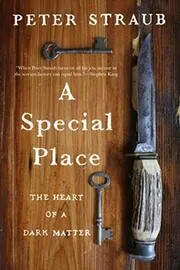
A Special Place
by Peter Straub
2009
This grim companion to A Dark Matter follows teen Keith Hayward as cruelty, secrecy, and his sinister Uncle Till pull him toward something monstrous. Straub keeps the horror close, intimate, and very hard to shake.

The Talisman: Road of Trials
by Peter Straub
2009
This graphic adaptation retells the opening stretch of Jack Sawyer's journey through America and the Territories. It reshapes the novel's early quest into a vivid, illustrated road fantasy.
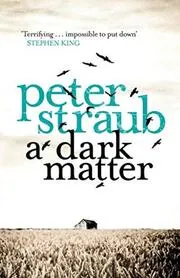
A Dark Matter
by Peter Straub
2010
Years after a mysterious occult ritual shattered their lives, a novelist begins piecing together what really happened. The answers lead back to a vanished woman, a dead friend, and something far worse than a failed performance.

The Green Woman
by Peter Straub
2010
This graphic horror novel follows Fielding Bandolier, the Blue Rose killer known as Fee, as his past closes in. A detective hunting him and a ruined pub called the Green Woman pull the story toward a bloody reckoning.
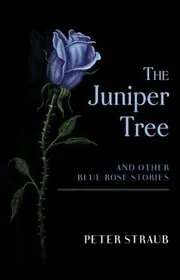
The Juniper Tree and Other Blue Rose Stories
by Peter Straub
2010
This collection gathers Blue Rose-related stories that deepen Straub's world of hidden crimes, abuse, and damaged memory. It is an ideal companion for readers who want the side roads as well as the main trilogy.
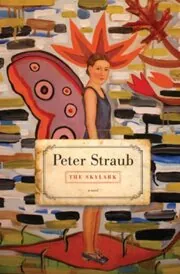
The Skylark
by Peter Straub
2010
An earlier, longer incarnation of A Dark Matter, this novel circles an old occult disaster and the lives it warped. Friends, secrets, and one terrible night keep pulling the past back into the present.
The Ballad of Ballard and Sandrine
by Peter Straub
2011
An older man and his much younger lover drift down a river into a feverish landscape where desire, guilt, and nightmare keep changing shape. It reads like a love story slowly rotting into horror.
The Buffalo Hunter
by Peter Straub
2012
Bobby Bunting is a 35-year-old outsider whose fear of women and strange fixations push him toward breakdown, revelation, or both. Straub turns one man's private obsessions into a sad, eerie plunge away from ordinary life.
Perdido
by Peter Straub
2015
An unfinished fragment, Perdido drops readers into a glittering hotel mystery full of dream logic and late-period Straub weirdness. It feels like the opening move of a larger, darker design that never fully closes.

Interior Darkness
by Peter Straub
2016
A large selected stories volume, Interior Darkness gathers some of Straub's finest shorter work across decades. The pieces range from psychological dread to outright horror, but all carry his cool, unsettling control.
%20-%20Peter%20Straub.jpg)
The Process (is a Process All Its Own)
by Peter Straub
2017
Tillman Hayward, Straub's latter-day Jack the Ripper figure, returns in a brutal late novella. It mixes serial murder, ghostly echoes, and literary unease into something cold and deeply unsettling.

Other Worlds Than These
by Peter Straub
2026
Jack Sawyer returns in the planned closing volume of the Talisman saga, credited posthumously to Peter Straub. The story pushes the series back across worlds for one last, very large fight.
Where to start with Peter Straub
If you want the classic ghost novel: Ghost Story
If you want dark coming-of-age fantasy: Shadowland → Floating Dragon
If you prefer crime-heavy suspense: Koko → Mystery → The Throat
If you want the Stephen King collaboration: The Talisman → Black House → Other Worlds Than These
Peter Straub sub-series and character series
Peter Straub collections, short stories, and related book types
Short Stories/Novellas
Short Story Collections
Graphic Novels
Non-Fiction
Standalone Peter Straub books
Author bio
Peter Straub was born in Milwaukee, Wisconsin, on March 2, 1943, and grew up there as the oldest of three boys. His father was a salesman, his mother a nurse, and both had sensible plans for him that had very little to do with becoming a novelist. Straub had other ideas. He taught himself to read as a child, tore through adventure stories, and got known early as the kid who could hold a crowd with a story.
Then a car hit him in first grade.
The accident nearly killed him. He spent a long stretch in hospitals and a wheelchair, missed a year of school, and later dealt with a serious stutter. Those years mattered. They left him with a sharper sense that the world could turn strange without warning, and that feeling never really left his work. Books were refuge, training ground, and fuel all at once.
He attended Milwaukee Country Day School on scholarship, then earned an English degree from the University of Wisconsin in 1965 and an MA from Columbia a year later. After that he taught English at his old school for three years. He married Susan Bitker in 1966, and in 1969 the two moved to Dublin, where Straub began a PhD and, more importantly, started to take writing seriously.
That was where the writing life really began.
In Dublin he published poetry, including Ishmael and Open Air, and wrote his first novel, Marriages. London followed, and so did a crucial change in direction. After a couple of literary novels failed to break through, Straub turned toward the fears he already knew well. Julia and If You Could See Me Now showed where he was headed, and Ghost Story made a much wider audience pay attention. It became a bestseller and, later, a film.
Readers who stay with Straub tend to come back for the same reasons. He could write a genuinely frightening scene, but he was just as interested in memory, guilt, performance, damaged families, and the way old injuries keep shaping adult life. In Shadowland, he turns a magician's world into a dark coming-of-age story. In Koko and The Throat, crime fiction, war trauma, and horror keep bleeding into one another. In The Talisman, written with Stephen King, he helps build a huge cross-country fantasy quest that still feels bruised and intimate. Later books like Lost Boy, Lost Girl and In the Night Room keep circling haunted houses, missing children, broken storytelling, and the uneasy border between fiction and reality.
He also loved jazz, and you can feel it in the writing. Not because the books are smooth, they usually aren't, but because they move by riffs, echoes, sudden turns, and dark improvisations. Straub liked stories inside stories, voices that couldn't quite be trusted, and characters who sensed that the world had a second layer under the one everyone else accepted.
His home base shifted over the years from Dublin to London to the New York area. He and Susan had two children, Benjamin and Emma Straub, and Emma would go on to become a novelist herself. In later years he lived in New York City and Brooklyn, kept working, kept revising, and stayed closely tied to the music, books, and friendships that had shaped him from the start.
Straub died on September 4, 2022, in New York City. But his books still feel unusually alive, restless, elegant, funny in unexpected places, and never content to give readers the simple version of what scares us.


Edited by
Software engineer whose passion for tracking book recommendations from podcasts inspired the creation of MRB.
Lead investor at 3one4 Capital whose startup expertise and love for books helped shape MRB and its growth.
Comments
Did we miss something? Have feedback?
Help us improve this page by sharing your thoughts