
Blue Rose Trilogy Books in Order
Part ofPeter Straub Books in OrderSee the Blue Rose Trilogy by Peter Straub in order, with quick summaries, shared characters, series background, and a clear guide to where to begin.
Last updated:
As an Amazon Associate, we earn from qualifying purchases (at no extra cost to you).
Blue Rose Trilogy books in publication order
4 books
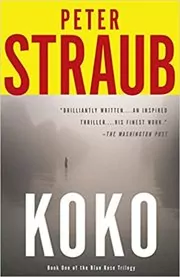
Koko
by Peter Straub
1988
Four Vietnam veterans reunite to hunt a serial killer they think is one of their own. Their search moves from Washington to Southeast Asia and forces them back into the war they never really left behind.
Recommended by
1 person Stephen King recommended this book
Stephen King
"One of the great novels of the 20th century’s second half." - Stephen King
Stephen King's recommendation of this book
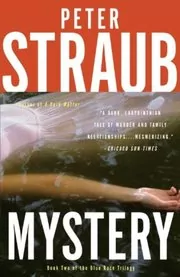
Mystery
by Peter Straub
1990
After a near-fatal accident, Tom Pasmore becomes fascinated by detection and falls under the influence of the reclusive Lamont von Heilitz. Their search through the secrets of Mill Walk turns into a lush, dangerous coming-of-age mystery.
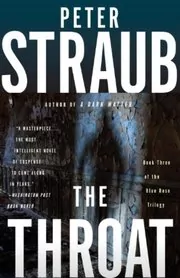
The Throat
by Peter Straub
1993
Tim Underhill goes home to help investigate brutal murders that seem tied to an older, hidden history. The case pulls together the Blue Rose books and turns memory itself into evidence.
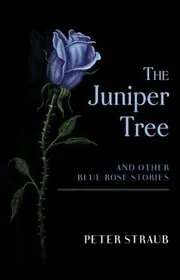
The Juniper Tree and Other Blue Rose Stories
by Peter Straub
2010
This collection gathers Blue Rose-related stories that deepen Straub's world of hidden crimes, abuse, and damaged memory. It is an ideal companion for readers who want the side roads as well as the main trilogy.
Blue Rose Trilogy books in chronological order
Series background & context
The Blue Rose books are Peter Straub's strangest blend of crime novel, psychological horror, and long-form literary puzzle. They are usually grouped as Koko, Mystery, and The Throat, with later related stories gathered in The Juniper Tree and Other Blue Rose Stories. That makes them sound neat and tidy. They are not. Straub built this corner of his work as a web, not a straight line, so readers move through repeated names, altered histories, hidden connections, and crimes that seem to echo one another across time.
These books are mysteries, but they do not behave like tidy puzzle boxes.
Koko begins with Vietnam veterans trying to track down a killer they believe is one of their own. On the surface, it looks like a manhunt, stretching from the United States into Southeast Asia. Underneath, it is about memory, war damage, shame, and the way a shared past can warp into myth. Straub keeps the tension high, but he also lets the story wander into the emotional wreckage the men have carried for years. That mix, thriller momentum with deep unease, sets the tone for everything that follows.
Mystery shifts shape. Instead of war-haunted adults, it gives us Tom Pasmore, a gifted, damaged young man whose life changes after a near-fatal accident. He falls under the influence of Lamont von Heilitz, an aging detective with an almost mythic aura, and begins to uncover buried corruption, old murders, and family power games. The book feels more like a warped detective novel than a horror story at first, but the same Straub concerns are there: double lives, hidden violence, and the sense that evil is never as local or manageable as people want to believe.
Nothing stays buried for long.
By the time The Throat arrives, the series pulls its threads together through Tim Underhill, one of Straub's most important recurring figures. Tim goes back to his hometown to help investigate murders that seem tied to a much older history of abuse and violence. Tom Pasmore is part of the larger pattern too, and so is the shadow of the Blue Rose crimes themselves. This is where the trilogy feels fullest, because Straub is no longer just solving crimes. He is showing how stories, identities, and traumas keep rewriting each other.
A big part of the appeal is that the ongoing arc is emotional as much as procedural. Straub returns again and again to men trying to understand what they saw, what they did not stop, and what it has cost them to keep living with partial knowledge. The settings matter too, whether it is the humid sprawl of a city, an island society built on old money and secrets, or a Midwestern hometown that turns monstrous when you look too closely. Even when the books move like thrillers, the atmosphere is closer to a waking nightmare.
If you read beyond the three novels, the Blue Rose stories deepen the whole design. Shorter works like those collected in The Juniper Tree and Other Blue Rose Stories widen the world and make clear that Blue Rose is not only a case or a clue. It is a label for a whole zone of Straub's fiction, where serial violence, childhood terror, hypnotic influence, and storytelling itself all get tangled together. If that sounds unsettling, it is. That is the point.
%20-%20Peter%20Straub.jpg)








Edited by
Software engineer whose passion for tracking book recommendations from podcasts inspired the creation of MRB.
Lead investor at 3one4 Capital whose startup expertise and love for books helped shape MRB and its growth.
Comments
Did we miss something? Have feedback?
Help us improve this page by sharing your thoughts