
Penelope Lively Books in Order
Browse Penelope Lively books in order, with short summaries, children's and adult titles, memoirs, and simple advice on where to start.
Last updated:
As an Amazon Associate, we earn from qualifying purchases (at no extra cost to you).
Penelope Lively books in publication order
65 books
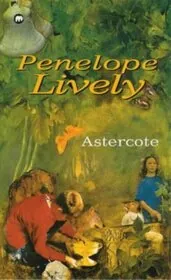
Astercote
by Penelope Lively
1970
Mair and her brother stumble on the ruins of a village destroyed by the Black Death and uncover a secret that still carries fear. The novel blends history, folklore, and menace.
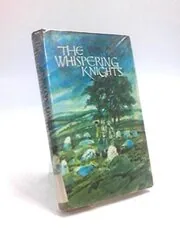
The Whispering Knights
by Penelope Lively
1971
William, Martha, and Susie accidentally bring the ancient sorceress Morgan le Fay back into play. The result is a compact fantasy rooted in old legend and modern danger.
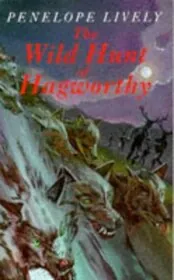
The Wild Hunt of Hagworthy
by Penelope Lively
1971
Lucy arrives in a Somerset village just as an old ritual is revived for the summer fete. What begins as local pageantry slowly turns into something darker and much older.
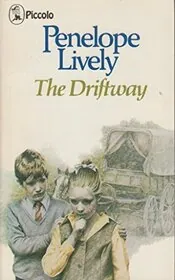
The Driftway
by Penelope Lively
1972
Running away from home, Paul and his sister travel along an ancient road where echoes of earlier travelers still seem to linger. Their journey becomes both an escape and a lesson in listening.
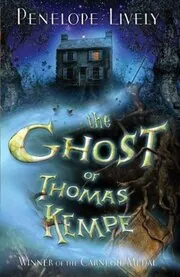
The Ghost of Thomas Kempe
by Penelope Lively
1973
James keeps getting blamed for tricks he did not play after his family moves to an old cottage. The culprit is the ghost of Thomas Kempe, who wants James as his apprentice.
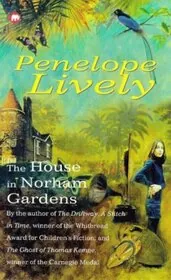
The House in Norham Gardens
by Penelope Lively
1974
Clare lives in an old Oxford house full of relics from the past, then discovers a shield brought back from New Guinea by her great-grandfather. Soon dreams and history begin pressing in on her.

Boy Without a Name
by Penelope Lively
1975
An orphan is sent back to his birth village and apprenticed to a stone cutter. As he learns a trade, he also tries to work out who he is and where he belongs.
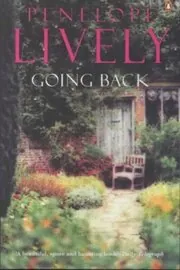
Going Back
by Penelope Lively
1975
Returning to a country house after many years, a woman remembers a wartime childhood shaped by friendship, family tension, and moral uncertainty. It is a quiet book about memory and what war leaves behind.
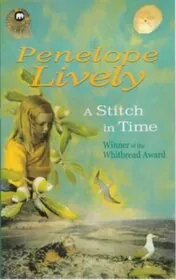
A Stitch in Time
by Penelope Lively
1976
On holiday in Lyme Regis, Maria begins hearing sounds from another time and feels drawn to a Victorian girl named Harriet. The mystery grows darker as past and present start to overlap.

Fanny's Sister
by Penelope Lively
1976
Afraid that God might answer a rash prayer and take away her new baby sister, nine-year-old Fanny runs off. The story captures jealousy, guilt, and family love with humor and sympathy.
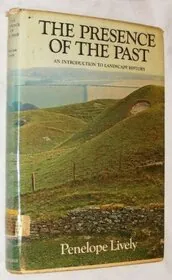
The Presence Of The Past
by Penelope Lively
1976
This accessible nonfiction book shows how roads, hedges, fields, and villages carry traces of older lives. Lively makes landscape history feel concrete, local, and full of human stories.

The Stained Glass Window
by Penelope Lively
1976
Sitting beneath a church window, Jane sees the old story in the glass come to life. A knight and his lady step out of history in this brief, beautifully imagined tale.
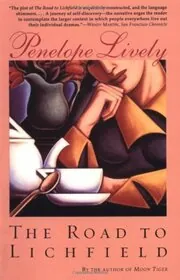
The Road to Lichfield
by Penelope Lively
1977
As Anne Linton spends time near her dying father in Lichfield, she begins an affair that throws her own life into question. A quiet family crisis opens into a novel about identity and memory.

Nothing Missing But The Samovar
by Penelope Lively
1978
This collection of stories is linked by expectation, unease, and the small ways life can tilt off course. Lively moves from ghostly hints to social comedy with great control.
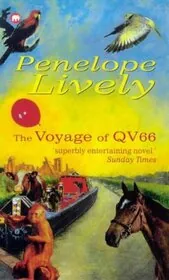
The Voyage of QV66
by Penelope Lively
1978
In a flooded future England emptied of people, a band of animals sets off in a strange boat to discover what kind of creature Stanley is. The quest is funny, eerie, and unexpectedly grand.

Fanny And The Monsters
by Penelope Lively
1979
Fanny's curiosity pulls her into a prehistoric puzzle involving bones, monsters, and the thrill of discovery. It is another lively clash between a Victorian girl's imagination and the rules around her.

Fanny and the Battle of Potter's Piece
by Penelope Lively
1980
Potter's Piece is wasteland to adults but a whole kingdom to Fanny and the other Stanton children. When intruders appear, the fight to save their private world becomes very real.
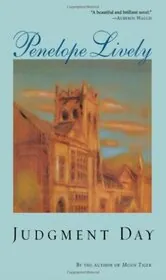
Judgment Day
by Penelope Lively
1980
Clare Paling settles into village life and its quiet gossip, ambitions, and adulteries. Then a pageant and an unforgivable death remind everyone how fragile that order really is.
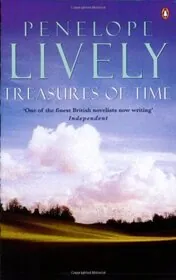
Treasures of Time
by Penelope Lively
1980
When the BBC plans a documentary on a famous archaeologist, his widow and daughter discover that digging up the past can unsettle the present as well. It is sharp, funny, and emotionally precise.
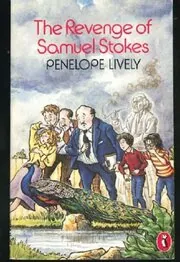
The Revenge of Samuel Stokes
by Penelope Lively
1981
On a housing estate, everyday objects begin behaving in impossible ways and Tim and Jane suspect a malign spirit is involved. The mystery mixes modern life with a distinctly supernatural grudge.
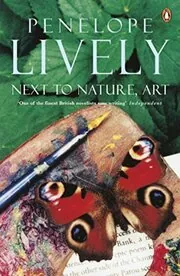
Next to Nature, Art
by Penelope Lively
1982
At an arts center in the countryside, students arrive hoping for creativity and renewal. What they actually uncover is vanity, rivalry, and more truth than anyone planned for.
Perfect Happiness
by Penelope Lively
1983
Frances is newly widowed and overwhelmed by grief when unexpected revelations pull her back into other people's lives. It is a compact, serious novel about mourning and the possibility of hope.
According to Mark
by Penelope Lively
1984
Biographer Mark thinks he understands his subject, the late novelist Gilbert Strong, until obsession and desire begin to blur the picture. A hot summer turns into a witty study of self-deception.

Corruption
by Penelope Lively
1984
A story collection about outwardly calm worlds that suddenly turn unreliable. Holidays, marriages, village routines, and old assumptions all prove less secure than they look.

Dragon Trouble
by Penelope Lively
1984
Peter buys his grandfather an unusual birthday present, only to discover it contains dragon eggs. Once they hatch, the pair must cope with pets far stranger than they expected.

Uninvited Ghosts
by Penelope Lively
1984
A collection of children's stories that mixes ghosts, Martians, troublesome animals, and other everyday oddities. The stories are varied, readable, and full of sly humor.

Pack of Cards
by Penelope Lively
1986
This volume gathers Lively's short stories from 1978 to 1986, including earlier collections and new work. Ghosts, comic reversals, love, and loss all fit neatly into the deck.
Moon Tiger
by Penelope Lively
1987
Dying historian Claudia Hampton decides to write a history of the world and ends up telling her own. The novel moves through love, war, family, and memory with dazzling shifts in perspective.

A House Inside Out
by Penelope Lively
1988
This linked collection looks at the Dixon house from the viewpoint of the creatures living inside it. Dogs, mice, insects, and other small residents turn ordinary domestic life into adventure.
City of the Mind
by Penelope Lively
1988
As architect Matthew Halland works in London's Docklands, the city's older layers keep pressing into the present. It is a novel about memory, rebuilding, and the many lives contained in one place.
Passing On
by Penelope Lively
1989
After their domineering mother dies, middle-aged siblings Helen and Edward must learn how to live without her grip on their lives. Lively turns family damage into a subtle, moving novel.

Judy and the Martian
by Penelope Lively
1992
When Judy finds a Martian at the supermarket, she has to help him get home without alarming the adults. It is a quick, cheerful story about secrecy, kindness, and a very odd errand.
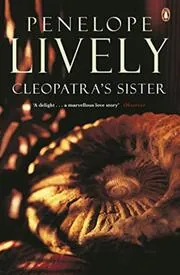
Cleopatra's Sister
by Penelope Lively
1993
A palaeontologist and a journalist are stranded in the fictional African state of Callimbia when political turmoil erupts. Their accidental partnership becomes both an adventure and a romance.
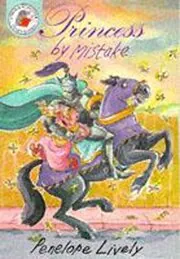
Princess By Mistake
by Penelope Lively
1993
A brother and sister annoy the wrong neighbor and find themselves transformed into a fairy-tale princess and a rescuing knight. It is a short, playful fantasy about quarrels and consequences.
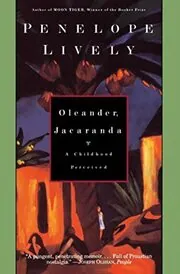
Oleander, Jacaranda
by Penelope Lively
1994
Lively revisits her childhood in Egypt, recovering its sounds, scents, heat, and wartime tension through adult memory. It is a vivid memoir about place, identity, and dislocation.

The Cat, the Crow, and the Banyan Tree
by Penelope Lively
1994
A cat and a crow sit under a banyan tree telling stories that seem to come alive as they are told. It is a picture book about imagination, friendship, and the pleasure of storytelling.

A Long Night at Abu Simbel
by Penelope Lively
1995
Three short stories, including the title piece about English tourists stranded overnight in Egypt. Lively is sharp on group behavior, class nerves, and comedy under pressure.

A Martian Comes to Stay
by Penelope Lively
1995
Peter and his grandmother take in a stranded Martian after his spaceship leaves without him. Hiding their unusual guest is hard enough, but the village fete makes things much riskier.
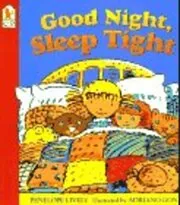
Good Night, Sleep Tight
by Penelope Lively
1995
A little girl tucks up her toys for the night, but they have other ideas. One by one they sweep her into bedtime adventures that are funny, dreamy, and just a bit wild.

The Disastrous Dog
by Penelope Lively
1995
A mischievous dog turns ordinary life upside down in this brisk early reader. The fun comes from the trail of trouble he leaves behind.
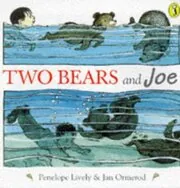
Two Bears and Joe
by Penelope Lively
1995
Joe wakes to find two young grizzly bears in his bedroom, and the day quickly becomes an imaginative spree. It is a warm, playful story about friendship and make-believe.
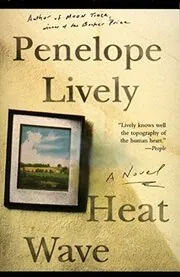
Heat Wave
by Penelope Lively
1996
During a blazing summer in the English countryside, Pauline watches her daughter's marriage begin to repeat old mistakes. Tension builds slowly toward a violent, shocking end.

Lost Dog and Other Stories
by Penelope Lively
1996
A short collection for younger readers built around small upsets, searches, and everyday adventures. The title story leads a set of quick, lively tales.

Ghostly Guests
by Penelope Lively
1997
A short, gently spooky tale for younger readers about unexpected visitors and a brush with the supernatural. Lively keeps the mood eerie, playful, and easy to follow.

Staying with Grandpa
by Penelope Lively
1997
Jane goes to stay with her grandparents on her own and expects a quiet visit. Grandpa quickly proves that life with him is anything but dull.

The Five Thousand and One Nights
by Penelope Lively
1997
Fourteen contemporary short stories that range from comic observation to modern fable. The title story plays with the *Arabian Nights*, but the whole collection is alert to everyday surprises.

Beyond the Blue Mountains
by Penelope Lively
1998
A collection of fourteen short stories that moves from playful fantasy to the odd turns of ordinary life. Chance, memory, and sly humor run through the whole book.

One, Two, Three, Jump!
by Penelope Lively
1998
A restless frog decides he wants to be somewhere else and sets off across the garden. The journey is full of dangers, near misses, and one determined leap after another.
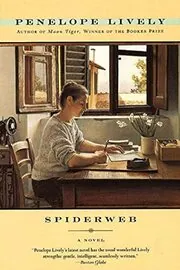
Spiderweb
by Penelope Lively
1998
Retired anthropologist Stella Brentwood tries to settle into village life in Somerset, only to find it more complicated and cruel than expected. The novel mixes social comedy with real menace.

Debbie and the Little Devil
by Penelope Lively
2000
Debbie's day is disrupted by a very small devil with a talent for mischief. This early reader turns a simple fantasy idea into brisk comic trouble.
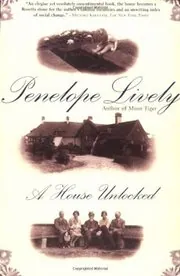
A House Unlocked
by Penelope Lively
2001
Using a beloved Somerset house as her guide, Lively reconstructs family history through rooms, objects, and remembered lives. It is a memoir about home, class, time, and loss.

A Martian in the Supermarket
by Penelope Lively
2002
Judy spots a nervous Martian in the frozen-food aisle and ends up helping him hide, plan, and try to get back home. It is a light, funny adventure for newer readers.
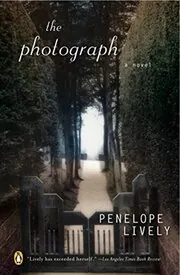
The Photograph
by Penelope Lively
2003
After his wife's death, Glyn finds an old photograph of her holding hands with another man. His search for the truth unsettles not just her memory, but several lives around him.
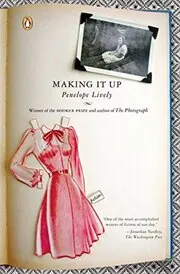
Making it Up
by Penelope Lively
2005
Part fiction and part anti-memoir, this book imagines the lives Lively might have lived if key moments had gone differently. It is playful, inventive, and quietly unsettling.

In Search of a Homeland
by Penelope Lively
2006
Lively retells the story of the *Aeneid* for younger readers, from the fall of Troy to Aeneas's long search for a new home. It is clear, dramatic, and full of mythic danger.
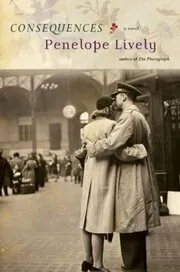
Consequences
by Penelope Lively
2007
Beginning in 1935, this novel follows Lorna, her daughter Molly, and granddaughter Ruth across three generations. One impulsive love affair casts a long shadow over the family's future.
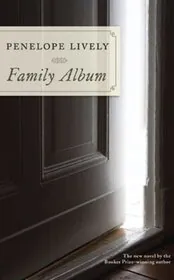
Family Album
by Penelope Lively
2009
Six adult siblings circle back to the family home and the childhood their mother tried to make perfect. Beneath the nostalgia sits a secret that has shaped them all.

Spooky Stories
by Penelope Lively
2009
A volume of spooky tales for younger readers, with ghosts, uneasy moments, and just enough chill to keep pages turning. It is eerie without becoming too dark.
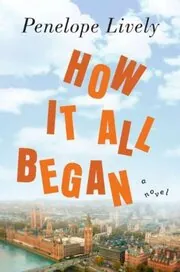
How It All Began
by Penelope Lively
2011
A mugging in London sets off a chain of accidents, meetings, and revelations that ripple through several lives. Lively turns chance into a witty, humane novel about how people collide.

Abroad
by Penelope Lively
2013
A sharp, funny short story about young artists chasing experience and authenticity in 1950s Europe. Lively gently skewers self-image, cultural pretension, and what travel really teaches.
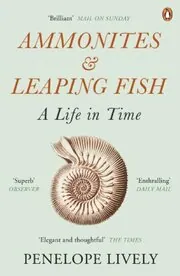
Ammonites & Leaping Fish: A Life in Time
by Penelope Lively
2013
Lively looks back over a long life through memory, books, history, and a handful of meaningful possessions. The result is thoughtful, funny, and quietly moving.
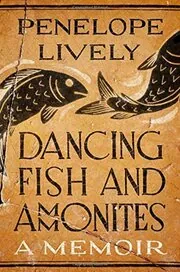
Dancing Fish and Ammonites
by Penelope Lively
2013
In this reflective memoir, Lively writes about aging, memory, reading, history, and the objects that outlast us. It is personal, unsentimental, and full of hard-won perspective.

The Purple Swamp Hen
by Penelope Lively
2016
Lively's return to short stories ranges from Pompeii to supermarkets, old grudges, family truths, and marital surprises. The stories are witty, observant, and a little sharp around the edges.
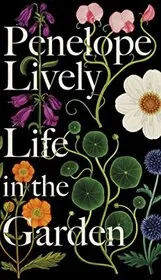
Life in the Garden
by Penelope Lively
2017
Part memoir and part literary wander, this book follows the gardens that shaped Lively's life, from childhood in Egypt to London. It also looks at gardens in books and the writers who loved them.

Metamorphosis
by Penelope Lively
2021
A selected volume of stories drawn from Lively's earlier collections, framed by new work and an introduction on how her concerns changed over time. It is both a sampler and a retrospective.
Where to start with Penelope Lively
If you want her best-known adult fiction: Moon Tiger → The Photograph → How It All Began
If you like family stories and quiet emotional drama: Passing On → Family Album → Consequences
If you want memory, place, and history at the center: The Road to Lichfield → City of the Mind → Cleopatra's Sister
If you want memoir and nonfiction first: Oleander, Jacaranda → A House Unlocked → Life in the Garden
If you want her children's classics: The Ghost of Thomas Kempe → A Stitch in Time → The House in Norham Gardens
Penelope Lively sub-series and character series
Penelope Lively collections, short stories, and related book types
Short Stories/Novellas
Chapter Books
Picture Books
Collections
Non-Fiction
Standalone Penelope Lively books
Author bio
Penelope Lively was born in Cairo, Egypt, in 1933, to British parents, and the city stayed with her for the rest of her writing life. She spent her first twelve years there, growing up in a world of gardens, heat, dust, wartime unease, and a mix of languages and cultures that later fed both her fiction and her memoirs. Egypt is not just background in her work. It is one of the places her imagination keeps returning to.
That early split in her life never really left her.
In 1945, after the war and her parents' divorce, she was sent to England and to boarding school, a change she has described as abrupt and painful. Later she read Modern History at St Anne's College, Oxford. That training shows up everywhere in her books, not as lectures or heavy research, but in the way she thinks about time, memory, evidence, and the stubborn way the past keeps turning up in ordinary lives.
She did not set out with a grand literary plan. After Oxford she married the academic Jack Lively, raised a family, and by her own account finished university with no clear career path at all. She began writing in her late thirties, and children were her first audience. That turned out to be a very good fit. Her early books have ghosts, old houses, buried histories, and children who notice more than the adults around them.
She began with children.
Books like The Ghost of Thomas Kempe, A Stitch in Time, and The House in Norham Gardens helped make her name. They are clever, eerie, and deeply interested in the past, but they are also funny and brisk. Readers often love the way she treats children as serious observers without making the stories feel heavy. The Ghost of Thomas Kempe won the Carnegie Medal, and A Stitch in Time won the Whitbread children's award.
Her adult fiction grew out of some of the same interests. The Road to Lichfield was shortlisted for the Booker Prize, According to Mark reached the shortlist again, and Moon Tiger won in 1987. If you read across her novels, certain things come up again and again: family secrets, chance encounters, old griefs, long memory, and the gap between the story we tell about a life and the life as it was actually lived. Passing On, The Photograph, and How It All Began are very different books, but all show her gift for taking a quiet domestic situation and letting it open into something larger.
She has also written some of her most personal books outside straight fiction. Oleander, Jacaranda looks back at her Egyptian childhood. A House Unlocked uses a Somerset family house as a way into family history and social change. Ammonites & Leaping Fish, later published as Dancing Fish and Ammonites, reflects on old age, memory, reading, and the objects that gather around a life. Life in the Garden brings together autobiography, literature, and a lifelong love of gardens.
What many readers respond to in Lively is her steadiness. She is interested in big things, history, mortality, love, loss, time, but she writes about them in an unshowy way. Even at her sharpest, there is usually wit in the sentence and sympathy behind the observation.
She has long lived in London, and she kept publishing well into later life. That feels fitting for a writer so drawn to duration, to what survives, and to the strange way one period of life can suddenly speak to another. Read her in any order and you start to notice the same question beneath the surface: how do we live with all that came before us?








Edited by
Software engineer whose passion for tracking book recommendations from podcasts inspired the creation of MRB.
Lead investor at 3one4 Capital whose startup expertise and love for books helped shape MRB and its growth.
Comments
Did we miss something? Have feedback?
Help us improve this page by sharing your thoughts