
Pearl S Buck Books in Order
Explore Pearl S Buck's books in order with short summaries, reading tips, and where to start, from the House of Earth trilogy to later standalones.
Last updated:
As an Amazon Associate, we earn from qualifying purchases (at no extra cost to you).
Pearl S Buck books in publication order
98 books
East Wind
by Pearl S Buck
1930
In a traditional Chinese household, a young woman enters an arranged marriage with a man shaped by Western education. As expectations collide, she must renegotiate love, duty, and her own voice in a changing world.
The Good Earth
by Pearl S Buck
1931
A Chinese farmer, Wang Lung, and his wife O-Lan build a life on the land, then face famine, wealth, and temptation. A family saga about survival, love, and the price of changing your station.
Recommended by
2 people Oprah Winfrey recommended this book
Oprah Winfrey
"[The author's words] evoke the simple beauty of the characters and the harsh mystery of China's ancient culture." - Oprah Winfrey
Oprah Winfrey's recommendation of this book  Winston Churchill recommended this book
Winston Churchill
One of Winston Churchill's favorite books.
Winston Churchill's recommendation of this book
Sons
by Pearl S Buck
1932
The second House of Earth novel follows Wang Lung’s three sons after their father’s rise. Rivalries, politics, and shifting loyalties pull the family apart as China moves from village life toward warlord power and city ambition.

The Young Revolutionist
by Pearl S Buck
1932
A coming-of-age story set in China, where a boy is pulled between family loyalty, local tradition, and the excitement of new revolutionary ideas. Buck keeps the focus on daily life, and on how big political words become real when they touch a young person’s home.
The First Wife and Other Stories
by Pearl S Buck
1933
A collection of short stories set largely in China, centering on marriages, family bonds, and hard choices. Buck keeps the focus on ordinary people facing poverty, pride, jealousy, and sudden moral tests.
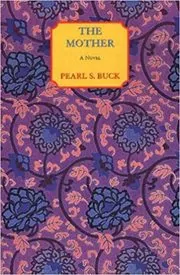
The Mother
by Pearl S Buck
1933
In rural China, a widowed mother fights to keep her children fed and safe, even as hunger, grief, and village judgment press in. A quiet, relentless portrait of endurance and the costs of doing the right thing.
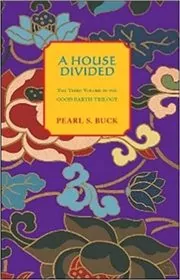
A House Divided
by Pearl S Buck
1935
The final House of Earth novel shifts to the next generation, as Wang Lung’s grandson comes of age amid social upheaval. Education and politics promise change, but the pull of family, money, and the land doesn’t let go easily.
The Exile
by Pearl S Buck
1936
Buck’s memoir-like portrait of her mother, a missionary wife in China, shaped by faith, isolation, and cultural distance. Written with intimate detail, it looks at family life behind the public mission and the private costs of devotion.
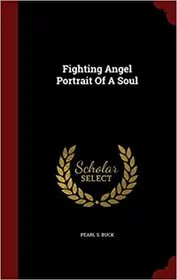
Fighting Angel
by Pearl S Buck
1937
A companion volume to The Exile, this book sketches Buck’s father and his intense religious calling. It traces the force of personality and conviction that drove him, and the strain it placed on family life in China.
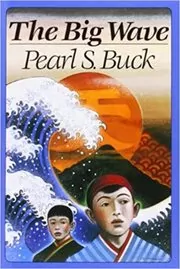
The Big Wave
by Pearl S Buck
1938
Two Japanese boys grow up in a seaside village, one a fisherman’s son and the other from a samurai family. After a devastating tidal wave, their friendship and future paths are tested by loss and duty.
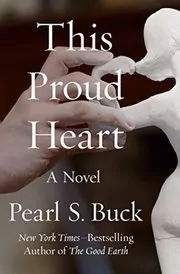
This Proud Heart
by Pearl S Buck
1938
In 1930s America, a talented sculptor tries to protect her work and her independence as marriage and family expectations close in. Buck follows the tug-of-war between art and domestic life, and the compromises that feel like betrayals.
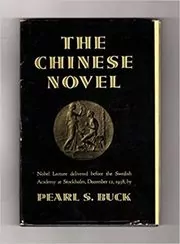
The Chinese Novel
by Pearl S Buck
1939
In essays based on her long engagement with Chinese literature, Buck introduces classic Chinese fiction and the storytelling traditions behind it. It’s a compact guide to themes, characters, and why these novels speak so directly to everyday life.
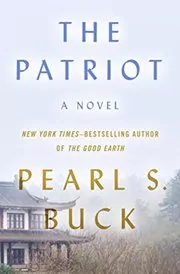
The Patriot
by Pearl S Buck
1939
A Chinese man who loves his country is pulled between personal loyalty and political upheaval. Buck follows the choices that turn patriotism into sacrifice, and asks what a nation demands from the people who claim it as home.
Other Gods
by Pearl S Buck
1940
In this American-set novel, small-town religion and certainty are tested when ambition, money, and hypocrisy creep in. Buck follows ordinary believers as they discover what happens when faith becomes a kind of power.
Portrait of a Marriage
by Pearl S Buck
1940
A reflective look at a marriage under pressure, from early romance to the quiet compromises of daily life. Buck traces love, resentment, and the moments that either harden a couple or pull them back together.
Dragon Seed
by Pearl S Buck
1941
During the Japanese invasion of China, Ling Tan and his family struggle to survive as war reaches their village. Some flee, some resist, and some collaborate, forcing painful decisions about courage, safety, and home.
Of Men and Women
by Pearl S Buck
1941
In essays and reflections, Buck writes about men and women, marriage, parenting, and the ways power shows up at home. It’s practical, opinionated nonfiction rooted in the lives she watched up close.
Today and Forever
by Pearl S Buck
1941
A collection of stories set in China, from village lanes to city streets, where small choices carry big consequences. Buck writes about love, pride, fear, and endurance during everyday life and political unrest.

Freedom for India Now!
by Pearl S Buck
1942
A short, urgent nonfiction work calling for Indian independence during World War II. Buck argues against empire and for self-rule, linking freedom abroad to democratic principles at home, and urging readers to see colonialism as a moral issue.
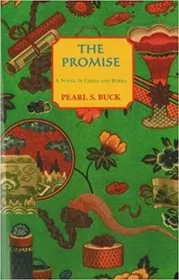
The Promise
by Pearl S Buck
1943
In wartime Burma, a mixed British and American unit is cut off in the jungle and pinned down by the Japanese. Their survival hinges on an unlikely alliance and the promises they make to each other under pressure.
The Long Love
by Pearl S Buck
1944
A long-running romance is tested by ambition, class, and the changing rules of modern life. Buck follows a couple over years, showing how love can deepen, fray, and reinvent itself through ordinary days and hard turning points.
The Townsman
by Pearl S Buck
1944
A political drama about a rising public figure whose private conscience refuses to stay quiet. As career, marriage, and family pull in different directions, he has to choose what kind of success he can live with.
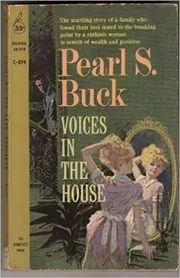
Voices in the House
by Pearl S Buck
1944
In an American household, secrets and unspoken resentments build until the walls feel crowded with voices. This family drama follows the clash between duty and desire, and what happens when one person finally says what everyone avoids.
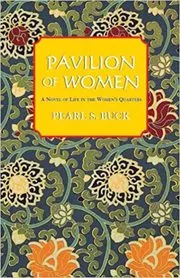
Pavilion of Women
by Pearl S Buck
1946
Madame Wu, a wealthy Chinese matriarch, brings a young concubine into her home so she can step back from marriage and pursue her own life. What begins as a practical bargain turns into a search for meaning, love, and spiritual freedom.

The Angry Wife
by Pearl S Buck
1947
In the aftermath of the American Civil War, a strong-willed woman in the mountains of Virginia, later West Virginia, fights to keep her family together while bitterness and old loyalties linger. A domestic novel about pride, forgiveness, and survival.
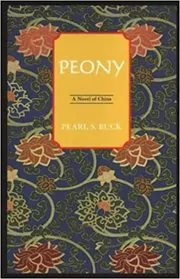
Peony
by Pearl S Buck
1948
In seventeenth-century Kaifeng, a Chinese bondmaid named Peony serves a Jewish household caught between tradition and the pull of local life. Love, faith, and identity collide as one family tries to decide what it means to belong.
The Bondmaid
by Pearl S Buck
1949
A young bondmaid grows up inside a powerful household, learning that loyalty can be both a shelter and a trap. As she reaches for love and a life of her own, class rules and family politics tighten around every choice.
American Argument
by Pearl S Buck
1950
A candid conversation between Buck and Eslanda Goode Robeson, where they argue, listen, and keep going. They talk about race, class, politics, and what America could be when people with very different lives take each other seriously.
Kinfolk
by Pearl S Buck
1950
A novel about family ties that stretch beyond blood, as characters try to decide who counts as kin, and why. Buck follows ordinary people through love, obligation, and the quiet bargains that hold a household together.
Once Upon a Christmas
by Pearl S Buck
1950
A warm collection of Christmas stories and reflections, mixing fiction with moments drawn from everyday life. Buck focuses on small acts of kindness, the loneliness that holidays can sharpen, and the surprises that make a season feel new again.
The Child Who Never Grew
by Pearl S Buck
1950
Buck writes openly about raising her daughter Carol, who had a profound intellectual disability. Part memoir, part meditation on parenting, it captures grief, tenderness, and the fierce work of learning to love without the future you expected.
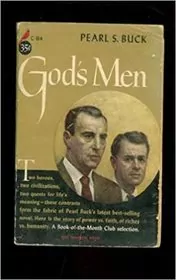
God's Men
by Pearl S Buck
1951
Two friends, driven by radically different ideals, cross paths in China and later in America. One pursues success and power, the other throws himself into a crusade to fight poverty. Their reunion tests friendship, marriage, and what each man is willing to sacrifice.

Bright Procession
by Pearl S Buck
1952
In this American-set novel, a group of young people chase love, purpose, and a place in the world, only to find that growing up is rarely a straight line. Buck writes with empathy about ambition, missteps, and second chances.

One Bright Day and Other Stories for Children
by Pearl S Buck
1952
A collection of short stories for children, often set in Asia, where young characters face change with courage and curiosity. Buck writes in a clear, gentle style about family bonds, travel, and the small moral choices that shape a day.
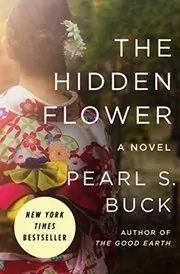
The Hidden Flower
by Pearl S Buck
1952
A young woman’s life is shaped by secrets kept for the sake of family honor. As love and duty pull in opposite directions, Buck follows the hidden costs of silence and the brave, ordinary choices that can change a household.
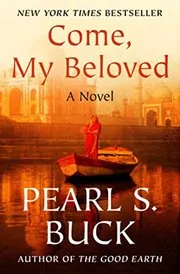
Come, My Beloved
by Pearl S Buck
1953
A love story set against the everyday realities of class and community, where personal desire runs up against family expectations. Buck follows a couple trying to build a life together while the world around them insists on old rules.
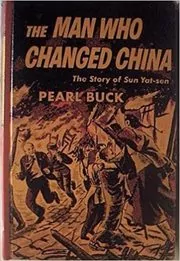
The Man Who Changed China
by Pearl S Buck
1953
A biography for general readers of Sun Yat-sen, the revolutionary leader often called the father of modern China. Buck traces his early life, political ideas, and the upheaval that helped topple an empire and reshape a nation.
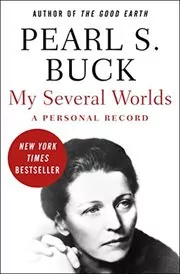
My Several Worlds
by Pearl S Buck
1954
Buck looks back on a life split between America and China, from missionary childhood to literary fame and activism. In clear, candid scenes, she writes about family, marriage, politics, and how living between cultures shaped the stories she told.
China Sky
by Pearl S Buck
1956
Set in wartime China, this novel follows an American doctor and the community around him as invasion and politics squeeze every decision. Buck balances private relationships with public danger, showing how love and loyalty change under pressure.
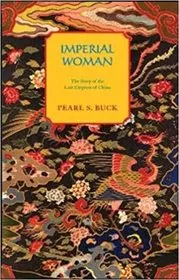
Imperial Woman
by Pearl S Buck
1956
A historical novel that reimagines the life of the Empress Dowager Cixi, from a girl in the palace to the most powerful figure in late Qing China. Court intrigue, reform, and survival drive the story as she learns what power costs.
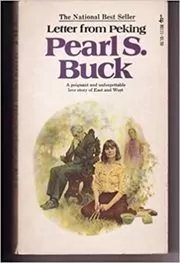
Letter from Peking
by Pearl S Buck
1957
A family is split by political change in mainland China, leaving a husband trapped and a wife struggling to keep hope alive. Told through letters and memory, it’s a novel about love, exile, and the meaning of home.
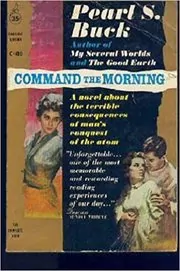
Command the Morning
by Pearl S Buck
1959
A novel set around the Manhattan Project, following scientists and those close to them as they race to build the atomic bomb. As secrecy tightens and the stakes rise, Buck zeroes in on conscience, fear, and what it means to be responsible for world-changing power.
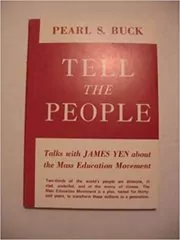
Tell the People
by Pearl S Buck
1959
Structured as talks with educator James Yen, this nonfiction book explores the Mass Education Movement and the practical work of teaching adults and children to read, organize, and improve village life. Buck keeps it concrete, focusing on methods, obstacles, and results.
The Christmas Ghost
by Pearl S Buck
1960
A boy sneaks out on Christmas Eve and meets a mysterious ghost near the barn, a visit that nudges him toward honesty and kindness. A short seasonal tale with a gentle shiver and a warm-hearted ending.
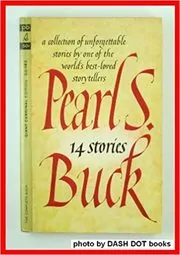
Fourteen Stories
by Pearl S Buck
1961
Fourteen short stories that showcase Buck’s range, from intimate family dramas to moments of political tension and moral choice. Each piece is built around ordinary people facing a single decision that changes how they see themselves.
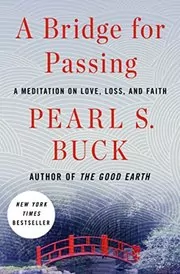
A Bridge for Passing
by Pearl S Buck
1962
Written after the death of her husband, Richard Walsh, Buck blends memoir and travel as she spends time in postwar Japan. Grief sits beside sharp observation, and the book keeps returning to her hope of building a bridge between East and West.
The Devil Never Sleeps
by Pearl S Buck
1962
In a tense, politically charged novel, Buck follows characters caught between faith, revolution, and personal loyalty. As violence closes in, they must decide what they believe, what they will compromise, and what they refuse to betray.
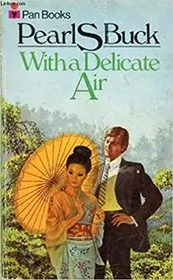
With a Delicate Air and Other Stories
by Pearl S Buck
1962
A collection of short fiction that explores love, pride, and misunderstandings across cultures. Buck’s stories turn on small gestures, quiet betrayals, and the moments when people realize they’ve been living beside each other, not with each other.
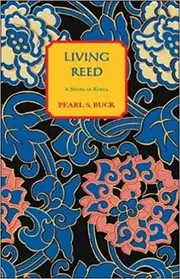
The Living Reed
by Pearl S Buck
1963
A sweeping historical novel tracing several generations of a Korean family from the late 1800s through Japanese occupation and the struggle for independence. Through love, loss, and political awakening, Buck shows how a nation’s fate lands on ordinary lives.
Joy of Children
by Pearl S Buck
1964
A nonfiction celebration of childhood and parenting, drawn from Buck’s life as a mother and adoptive parent. In short chapters, she reflects on play, discipline, resilience, and why children deserve both freedom and fierce protection.
Death in the Castle
by Pearl S Buck
1966
A young woman arrives at an old European castle and finds a household shaped by secrets, class tension, and a death no one wants to explain. Buck blends suspense with character drama as the truth slowly forces its way into the open.
For Spacious Skies
by Pearl S Buck
1966
A conversational nonfiction book, written as a dialogue, that roams across American life, politics, and personal belief. Buck and her coauthor argue and agree in turns, trying to name what holds a diverse country together.

Little Fox in the Middle
by Pearl S Buck
1966
A gentle children’s tale about a small fox caught between two worlds, not quite belonging to either. As the fox learns to navigate danger and friendship, Buck shows how growing up can mean finding your own place, not choosing sides.
The People of Japan
by Pearl S Buck
1966
Buck offers a portrait of Japan and its people, mixing history, social observation, and travel impressions. She looks at family life, work, and what changed, and what didn’t, in the postwar years.
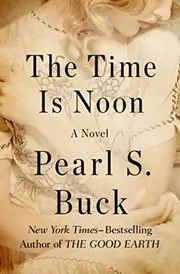
The Time is Noon
by Pearl S Buck
1966
In a time of public change and private uncertainty, Buck follows characters at a crossroads, when there’s no hiding from what must be done. A novel about conscience, family loyalty, and choosing a direction.
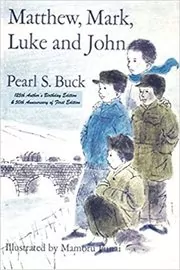
Matthew, Mark, Luke and John
by Pearl S Buck
1967
In postwar South Korea, four boys, all with American fathers, band together to survive and look out for one another. Buck follows their small daily hustles and big questions about identity, belonging, and what a family can mean.
To My Daughters, With Love
by Pearl S Buck
1967
Written as a long letter to her daughters, Buck reflects on love, marriage, work, and the values that make family life steadier. It’s warm, direct advice, with room for disagreement and a strong belief in women’s independence.

The New Year
by Pearl S Buck
1968
A short novel centered on a turning point at the start of a new year, when family expectations and personal longing come to a head. Buck focuses on ordinary routines, and how a single decision can reset a whole life.
The Good Deed and Other Stories of Asia Past and Present
by Pearl S Buck
1969
Short stories that move across Asia, past and present, each built around a moment of kindness, sacrifice, or moral confusion. Buck’s characters are ordinary people in extraordinary circumstances, trying to do one good thing without making the situation worse.
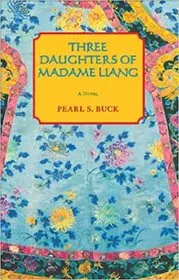
The Three Daughters of Madame Liang
by Pearl S Buck
1969
Madame Liang is a famous doctor in Communist China, and her three daughters each find their own way of coping with pressure and ideology. A family novel about love and loyalty in a society where private life is never fully private.
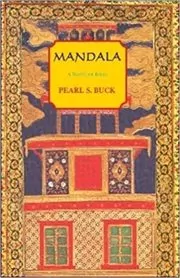
Mandala
by Pearl S Buck
1970
Set in India, this novel follows people from very different backgrounds as their lives intersect around a shared symbol and a shared search for meaning. Buck blends romance, politics, and spiritual questions without losing sight of everyday needs.
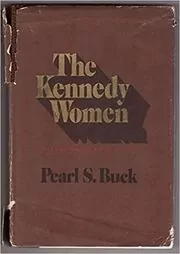
The Kennedy Women
by Pearl S Buck
1970
A short nonfiction portrait of the women of the Kennedy family, looking at public image alongside private strength. Buck writes with a mix of curiosity and skepticism about fame, power, and what it costs to live in the national spotlight.
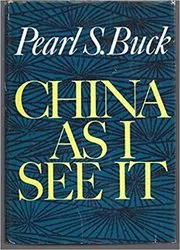
China As I See It
by Pearl S Buck
1971
A collection of Buck’s speeches and essays on China, written across decades and later gathered into one volume. She reflects on culture, politics, and misunderstanding between East and West, always returning to the lives of ordinary people.
Chinese Story Teller
by Pearl S Buck
1971
A playful retelling of a Chinese folktale that explains, in Buck’s version, why cats and dogs became enemies. Simple, quick to read, and shaped like a story meant to be told aloud.
Pearl Buck's America
by Pearl S Buck
1971
A tour of the United States through Buck’s eyes, with essays on states and regions, paired with photographs. Part travel book and part social portrait, it looks at how Americans live, work, and imagine themselves.
Pearl S. Buck: The Complete Woman
by Pearl S Buck
1971
A curated collection of excerpts from Buck’s writing, bringing together her fiction and nonfiction around themes of family, faith, and social justice. It’s a sampler meant to show the breadth of her work and the causes she cared about.
The Story Bible, Volume I
by Pearl S Buck
1971
Buck retells stories from the Bible in clear, modern language, designed for family reading. Volume I focuses on the early books, from creation through the great figures and dramas of the Old Testament.
American Unity and Asia
by Pearl S Buck
1972
A short nonfiction work arguing that Americans need a clearer understanding of Asia and of their own role in the world. Buck pushes for unity at home and respect abroad, using plain examples rather than slogans.
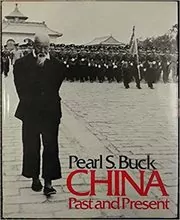
China Past and Present
by Pearl S Buck
1972
In this late nonfiction book, Buck looks at China’s long history alongside the upheavals of the modern era. Blending personal memory with broad context, she writes for general readers trying to make sense of a country she knew from the inside.
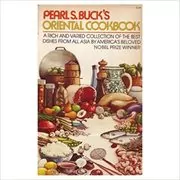
Pearl S. Buck's Oriental Cookbook
by Pearl S Buck
1972
A home-cooking guide that gathers recipes from across Asia, adapted for American kitchens of its era. Alongside dishes and techniques, Buck shares brief notes on ingredients and food customs, inviting readers to cook with curiosity and respect.
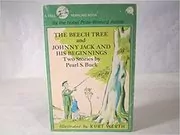
The Beech Tree and Johnny Jack and His Beginnings
by Pearl S Buck
1972
Two gentle stories for younger readers: one about an old man, a child, and a beech tree that becomes a quiet refuge, and another about a boy named Johnny Jack learning where he belongs. Warm, simple, and rooted in everyday kindness.
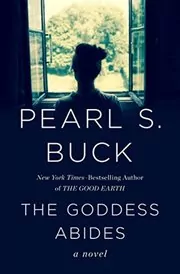
The Goddess Abides
by Pearl S Buck
1972
A novel about a woman who becomes, to those around her, almost goddess-like, and then has to live with the projections people place on her. Buck explores family obligation, desire, and the tension between public reputation and private truth.
The Story Bible, Volume II
by Pearl S Buck
1972
Buck continues her plainspoken retelling of Bible stories, moving into the life of Jesus and the early Christian church. Volume II is designed for readers who want the narrative flow of scripture without heavy commentary or difficult language.

A Gift for the Children
by Pearl S Buck
1973
A small collection of stories written for younger readers, centered on kindness, imagination, and the way children notice what adults miss. Buck’s tales are simple on the surface, but they leave room for big feelings about home and belonging.
All Under Heaven
by Pearl S Buck
1973
A sweeping novel about family and politics in China, where personal relationships are tangled up with social class and public power. Buck follows characters trying to protect what they love while the world under heaven shifts around them.
Far and Near
by Pearl S Buck
1973
A collection that moves between places and perspectives, pairing stories that feel close to home with ones set far away. Buck uses the distance to test what stays the same in love, pride, and the need to belong.

What America Means to Me
by Pearl S Buck
1973
Buck reflects on the United States, what it promises, what it fails to do, and what citizens owe each other. Part memoir and part civic essay, it’s written in plain language for readers who want ideals tied to everyday life.
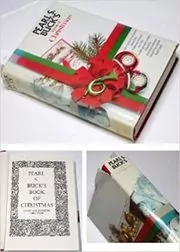
Pearl S. Buck's Book of Christmas
by Pearl S Buck
1974
An anthology of Christmas writing that brings together stories and reflections for the season. Buck’s selections lean toward human-scale moments, generosity, and hope, with a mix of familiar classics and quieter pieces suited to reading aloud.
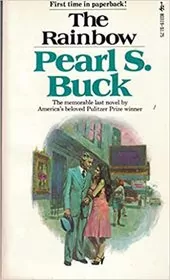
The Rainbow
by Pearl S Buck
1974
A family saga that traces several lives through change, as old customs fade and new possibilities arrive. Buck keeps the focus on intimate choices, marriage, children, and the meaning of home, even as history bends the family’s path.
Words of Love
by Pearl S Buck
1974
A slender volume of poems about love in its many forms: romantic, parental, remembered, and lost. Buck’s language stays direct and simple, with short pieces meant to be read in a sitting and revisited over time.
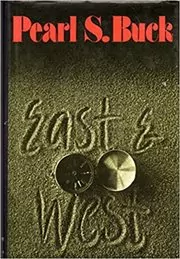
East and West
by Pearl S Buck
1975
A collection of stories that turns on the meeting point between East and West, when language, manners, and assumptions collide. Some pieces are tender, some sharp, but all focus on how quickly misunderstanding can become intimacy, or conflict.
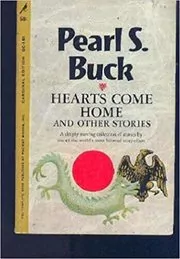
Hearts Come Home and Other Stories
by Pearl S Buck
1976
Short stories about people returning, to a village, to a family, or to a part of themselves they left behind. Buck’s characters face the awkwardness of homecoming, and the tender possibility that belonging can be rebuilt.
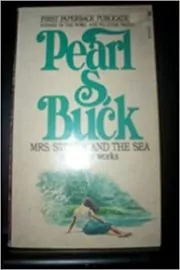
Mrs. Stoner and the Sea and Other Works
by Pearl S Buck
1976
A collection of later works, centered on 'Mrs. Stoner and the Sea,' that explores aging, memory, and the surprises of late life. Buck writes with a calm, reflective tone about love that endures, and the regrets that still surface.
Secrets of the Heart
by Pearl S Buck
1976
A collection of stories about what people hide, even from those closest to them. Buck writes about quiet betrayals, sudden honesty, and the way one secret can reshape a family’s sense of who they are.

The Lovers and Other Stories
by Pearl S Buck
1977
A collection of love stories in the broadest sense, romance, friendship, devotion, and the ties that feel like fate. Buck’s lovers are rarely carefree; they’re negotiating class, duty, and the stubborn realities of daily life.
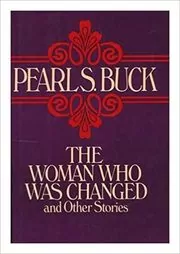
The Woman Who Was Changed and Other Stories
by Pearl S Buck
1979
A set of stories about transformation, chosen or forced, as women and men confront social expectations and private longing. Buck keeps the stakes personal, showing how a single event can change a reputation, a marriage, or a whole future.
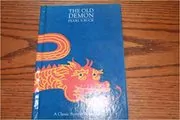
The Old Demon
by Pearl S Buck
1981
A compact, tense story set in wartime China, where fear and suspicion spread as fast as hunger. Buck uses one household’s crisis to ask what people will do, and who they become, when survival feels like the only law.
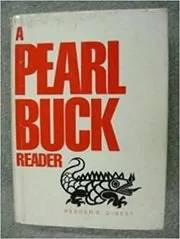
A Pearl Buck Reader, Vol. 1
by Pearl S Buck
1985
An anthology that introduces Buck’s range, with a mix of fiction and nonfiction selections. Volume 1 is a good sampling for readers who want to hear her voice across settings without committing to one long novel.
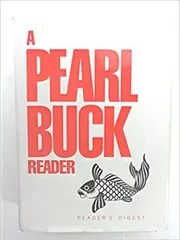
A Pearl Buck Reader, Vol. 2
by Pearl S Buck
1985
A second collection of Buck’s writing, continuing the sampler approach with additional stories, essays, and excerpts. Volume 2 works well for browsing and dipping in and out of her themes: family, culture, war, and the everyday courage of ordinary people.
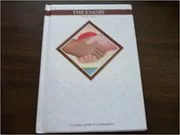
The Enemy
by Pearl S Buck
1986
On a Japanese coast during World War II, Dr. Sadao Hoki finds a wounded American soldier and hides him in his home. Duty to country clashes with basic humanity, forcing the doctor and his wife into a dangerous moral choice.

A Field of Rice
by Pearl S Buck
1995
A Chinese government officer visits a farm during the early Communist period and is forced to confront the gap between political theory and hunger on the ground. In one brief encounter, Buck captures how power can harden, or humble, a person.
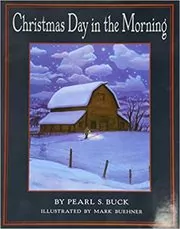
Christmas Day in the Morning
by Pearl S Buck
2002
A farm boy quietly works before dawn to earn money for a special Christmas gift for his father. The surprise is simple but deeply felt, reminding everyone that the best presents are the ones made from time, effort, and love.
Argument Argument
by Pearl S Buck
2007
A brief nonfiction book built around the idea of argument as a civic tool. Buck reflects on disagreement, persuasion, and the habits that turn debate into cruelty, and suggests ways to keep talking when the stakes are high.

New Evidence of the Militarization of America
by Pearl S Buck
2011
A short polemic, co-signed with other public voices, that warns about the steady militarization of American life. It gathers arguments and examples meant to push readers to question weapon-building, fear-driven policy, and the erosion of civilian control.
How It Happens
by Pearl S Buck
2012
In a long conversation with Erna von Pustau, Buck traces how ordinary Germans lived through 1914 to 1933, and how fear, hardship, and propaganda reshaped everyday choices. It’s a dialogue-style look at how a society can slide into extremism.
The Eternal Wonder
by Pearl S Buck
2013
A novel about a person who can’t stop searching for the eternal wonder behind ordinary life, even when love and responsibility demand something steadier. Buck follows the tension between restlessness and commitment, and the cost of refusing to settle.

The Refugees
by Pearl S Buck
2018
A story about people forced from home by conflict, trying to hold on to dignity while everything familiar disappears. Buck focuses on the small, practical decisions that reveal character under pressure.

The Christmas Mouse
by Pearl S Buck
2020
A quiet Christmas story about a small mouse and the human family sharing its winter shelter. Through a child’s eyes, Buck turns a tiny creature’s struggles into a lesson about mercy, generosity, and noticing the lives that live beside ours.
Where to start with Pearl S Buck
If you want the classic China family saga: The Good Earth → Sons → A House Divided
If you want a stand-alone wartime story: Dragon Seed → The Living Reed
If you want court intrigue and history: Imperial Woman
If you want memoir and context: My Several Worlds → The Exile → Fighting Angel
If you're reading with younger readers: The Big Wave → Christmas Day in the Morning → The Enemy
Pearl S Buck sub-series and character series
Pearl S Buck collections, short stories, and related book types
Short Stories/Novellas
Short Story Collections
Picture Books
Children's Books
Non-Fiction
Standalone Pearl S Buck books
Author bio
Pearl S. Buck grew up with one foot in the United States and the other in China, and she spent her whole career trying to translate one world to the other. She’s best known for The Good Earth, but her writing life ranged from big family novels to memoir, essays, and children’s stories.
She was born in Hillsboro, West Virginia, on June 26, 1892, while her parents, both Presbyterian missionaries, were back in the U.S. briefly. When she was still a baby, the family returned to China, and she was raised mainly in the city of Zhenjiang along the Yangtze River. Chinese was part of her everyday life from the start, and she later wrote about feeling like she lived in two separate households, the missionary community and the world outside it.
That sense of living between cultures never really went away.
As a young woman she went to college in Virginia, graduating from Randolph-Macon Woman’s College in 1914, and later did graduate work at Cornell University. She returned to China, married John Lossing Buck, and spent years in rural communities where the pace of life was set by planting, harvest, and weather. Those years also brought political unrest and personal strain, and she began writing in earnest, partly because words were one thing she could control.
The Good Earth arrived in 1931 and hit readers like a door opening. It follows Wang Lung, a farmer, and O-Lan, his wife, in a story where the land is both livelihood and temptation, and where survival can turn into ambition. The novel became a major bestseller and won the Pulitzer Prize in 1932, and Buck built it into a generational trilogy with Sons and A House Divided.
In 1938 she became the first American woman to win the Nobel Prize in Literature.
Buck didn’t stay in one lane after that. Some readers come for the China-set novels such as East Wind: West Wind, Dragon Seed, Pavilion of Women, and Peony. Others are drawn to the later historical sweep of Imperial Woman or the nation-spanning story of Korea in The Living Reed. Even when the setting changes, her focus tends to stay close to home: marriage, family duty, the pressure of public events on private lives, and the quiet courage it takes to keep going.
She also wrote bluntly about her own life. The Exile and Fighting Angel are intimate portraits of her missionary parents, the kind that show love and conflict at the same time. In My Several Worlds, she looks back on childhood, marriage, and fame without trying to sand down the rough edges. And in The Child Who Never Grew, she wrote with painful honesty about raising her daughter Carol, who had a profound intellectual disability.
Her public work mattered to her as much as her books. In 1949 she helped found Welcome House, created because many agencies at the time refused to place Asian and mixed-race children. She later launched the Pearl S. Buck Foundation, now known as Pearl S. Buck International, to support children and families in parts of Asia facing poverty and discrimination.
Buck spent much of her later life in Pennsylvania, and she died on March 6, 1973, in Danby, Vermont. She was buried at her longtime home in Perkasie, Pennsylvania, a fitting end for a writer who kept returning, again and again, to the idea of home, and what it takes to make one.








Edited by
Software engineer whose passion for tracking book recommendations from podcasts inspired the creation of MRB.
Lead investor at 3one4 Capital whose startup expertise and love for books helped shape MRB and its growth.
Comments
Did we miss something? Have feedback?
Help us improve this page by sharing your thoughts