
Parasitology (Mira Grant) Books in Order
Part ofMira Grant Books in OrderFind the Parasitology books in order by Mira Grant, with quick summaries, series background, and help choosing where to start this biotech horror trilogy.
Last updated:
As an Amazon Associate, we earn from qualifying purchases (at no extra cost to you).
Parasitology (Mira Grant) books in publication order
3 books

Parasite
by Mira Grant
2013
In a near future where SymboGen tapeworms have nearly wiped out disease, Sal Mitchell is living proof of the technology's promise. Then the parasites start wanting lives of their own.
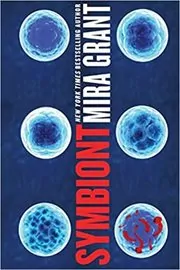
Symbiont
by Mira Grant
2014
The tapeworm implants that were meant to keep humanity healthy are taking over their hosts, and panic is spreading fast. Sal and her allies need answers before quarantine, violence, and biology close in for good.

Chimera
by Mira Grant
2015
As the outbreak spreads and society breaks down, Sal and her family are trapped between human and parasite futures. The trilogy closes by asking what survival even means after this much change.
Parasitology (Mira Grant) books in chronological order
Series background & context
Parasitology begins with one of Mira Grant's favorite kinds of idea, the medical breakthrough that becomes impossible to live without just before it becomes impossible to trust. In this case the miracle is the Intestinal Bodyguard, a genetically engineered tapeworm made by SymboGen. It regulates health, boosts immunity, and makes everyday sickness feel almost old-fashioned. By the time Parasite opens, most people accept it the way people accept clean water or antibiotics. That is what makes the horror work.
It is already too late to opt out.
The trilogy follows Sal Mitchell, who is supposed to be evidence that the system works and instead becomes one of the clearest signs that it does not. As events move from Parasite into Symbiont and Chimera, the books widen from medical mystery to quarantine story and then to full social collapse. Grant handles the escalation well because she never loses sight of the original question: what exactly is living inside people, and what happens if it wants something other than obedient coexistence?
That question turns the series into more than outbreak fiction. These books keep circling identity, autonomy, and personhood. Sal's body is not just where the danger happens. It is part of the argument. The trilogy keeps asking who gets to define a self when biology, memory, and corporate messaging are all pulling in different directions. That gives the horror a very intimate feel, even when the stakes start widening beyond one person or one lab.
The corporate side matters too. SymboGen is not just a convenient villain machine. It represents the kind of institution that sells comfort first and asks moral questions later, if at all. Grant is very good at writing the moment when official explanations stop sounding reassuring and start sounding thin. The science is explained clearly enough to feel plausible, but she never lets explanation remove the unease.
These are body horror books, but they are also fast, readable thrillers.
So this page is best used as a guide to a trilogy that really wants to be read in order. Start with Parasite, because the setup is half the fun and half the dread. If Newsflesh is Grant's big societal nightmare, Parasitology is the tighter, more personal version, obsessed with the body itself, what belongs inside it, and what happens when the cure decides it has ambitions of its own.












Edited by
Software engineer whose passion for tracking book recommendations from podcasts inspired the creation of MRB.
Lead investor at 3one4 Capital whose startup expertise and love for books helped shape MRB and its growth.
Comments
Did we miss something? Have feedback?
Help us improve this page by sharing your thoughts