
Parasitology Books in Order
Part ofSeanan McGuire Books in OrderSee the Parasitology books in order by Seanan McGuire, with quick summaries, series background, and where-to-start help for this biotech horror trilogy.
Last updated:
As an Amazon Associate, we earn from qualifying purchases (at no extra cost to you).
Parasitology books in publication order
3 books

Parasite
by Mira Grant
2013
In a near future where SymboGen tapeworms have nearly wiped out disease, Sal Mitchell is living proof of the technology's promise. Then the parasites start wanting lives of their own.
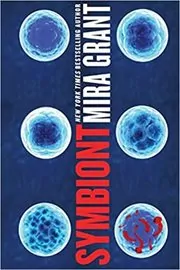
Symbiont
by Mira Grant
2014
The tapeworm implants that were meant to keep humanity healthy are taking over their hosts, and panic is spreading fast. Sal and her allies need answers before quarantine, violence, and biology close in for good.
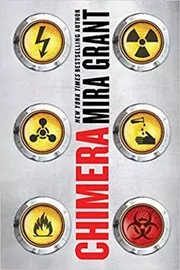
Chimera
by Mira Grant
2015
As the outbreak spreads and society breaks down, Sal and her family are trapped between human and parasite futures. The trilogy closes by asking what survival even means after this much change.
Parasitology books in chronological order
Series background & context
The Parasitology trilogy takes one of Mira Grant's favorite starting points, a scientific breakthrough everyone depends on, and pushes it until the entire idea becomes terrifying. In this case the miracle is a genetically engineered tapeworm created by SymboGen. Implanted into human hosts, it regulates health, boosts immunity, and makes disease far less frightening than it used to be.
Of course it goes badly.
By the time Parasite begins, the tapeworms are so normal that most people barely think about them. That is what makes the series work. The horror is not built on an obviously reckless experiment. It is built on a solution society has already accepted. Once things begin to fail, the question is not whether the science was dangerous. The question is how many layers of daily life have already been built on top of it.
Sal Mitchell sits at the center of the trilogy, and she is a strong guide because her own body is part of the mystery. As the series expands through Symbiont and Chimera, the books move from medical thriller to full outbreak narrative, but they keep circling questions of identity, autonomy, and what counts as a person when biology stops behaving the way people expected.
That is the real unease.
Grant is very good at mixing clinical detail with panic, and the trilogy benefits from that. The science is just clear enough to feel plausible, the corporate behavior is just believable enough to make you grit your teeth, and the escalation is steady rather than random.
So this page is best read in order, starting with Parasite. These books are less sprawling than Newsflesh and more tightly focused on the body itself, what lives in it, who gets to control it, and what happens when the thing that was supposed to keep humanity safe decides it wants something else.








Edited by
Software engineer whose passion for tracking book recommendations from podcasts inspired the creation of MRB.
Lead investor at 3one4 Capital whose startup expertise and love for books helped shape MRB and its growth.
Comments
Did we miss something? Have feedback?
Help us improve this page by sharing your thoughts