
Paradise (Ted Dekker) Books in Order
Part ofTed Dekker Books in OrderSee the Paradise novels by Ted Dekker in order, with series background, summaries, and guidance on reading them alongside the Circle and Lost Books sagas.
Last updated:
As an Amazon Associate, we earn from qualifying purchases (at no extra cost to you).
Paradise (Ted Dekker) books in publication order
3 books

Showdown
by Ted Dekker
2005
In the canyon‑hidden monastery of Paradise, Colorado, children raised by monks discover blank Books of History that can write reality. When one boy unleashes a living embodiment of evil, a drifter named Marsuvees Black strolls into town promising freedom, and Paradise becomes a battleground for souls.

Saint
by Ted Dekker
2006
Carl Strople is the X Group’s most lethal assassin, trained to kill and stripped of his past. When fragmented memories return and a mission goes sideways, he’s forced to question everything he’s been told about who he is, who controls him, and what price he’ll pay to learn the truth.
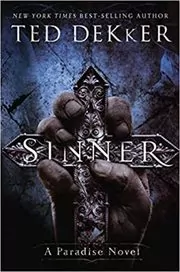
Sinner
by Ted Dekker
2008
Years after the events of Showdown and Saint, Billy and Darcy return to Paradise, Colorado, just as a sweeping new “tolerance” law prepares to criminalize exclusive religious claims. When thousands gather to hear a young preacher defy the law, the showdown between fear and freedom turns explosive.
Paradise (Ted Dekker) books in chronological order
Series background & context
The Paradise novels—Showdown, Saint, and Sinner—pull Ted Dekker’s grand fantasy themes down into the dusty streets of a Colorado town and the shadowy halls of black‑ops training grounds. Together they form a bridge between the wild allegory of the Circle books and the earthier tone of his stand‑alone thrillers.
Showdown opens in Paradise, Colorado, a quiet town that becomes ground zero for a bizarre revival led by a drifter named Marsuvees Black. He walks in like a denim‑clad preacher, promising freedom from guilt and small‑town hypocrisy. At the same time, in a hidden monastery buried in nearby canyons, a group of children raised by monks learns that the blank Books of History stored under their feet can literally write truth into being.
When one boy, Billy, uses those books to create an avatar of evil, the stories collide. Paradise’s citizens are pushed to indulge their darkest desires, and the children of Project Showdown are forced to face what happens when you try to change the world through control rather than love. The book reads like a modern fable about power, manipulation, and the seduction of charisma.
Saint shifts tone into international thriller territory. Carl Strople, an amnesiac assassin trained by a covert outfit called the X Group, knows only what his handlers allow. As fragments of memory return, he begins to suspect that his entire life has been scripted—literally—by forces connected to the Books of History. The story races from Hungarian forests to New York streets, pairing sniper‑level action with questions about identity and free will.
In Sinner, Dekker returns to Paradise years later. Billy and Darcy, now adults with extraordinary persuasive gifts, become lightning rods in a cultural showdown over religious speech and tolerance. A new law seeks to criminalize exclusive truth claims, and a small band of believers in Paradise must decide how to respond when preaching Christ is labeled hate.
Across the trilogy, familiar elements from the wider Books of History Chronicles reappear: Marsuvees Black’s chaos, the ripples from Thomas Hunter’s choices, and hints of realities just beyond normal sight. But the focus stays tight on how ordinary communities, governments, and damaged individuals respond when that unseen war breaks into their lives.
This page lays out the Paradise novels in order, explains how they interlock with the Circle and Lost Books timelines, and offers simple guidance on where to slot them in if you’re reading the whole Dekkerverse.











Edited by
Software engineer whose passion for tracking book recommendations from podcasts inspired the creation of MRB.
Lead investor at 3one4 Capital whose startup expertise and love for books helped shape MRB and its growth.
Comments
Did we miss something? Have feedback?
Help us improve this page by sharing your thoughts