
One More River Books in Order
Part ofLynne Reid Banks Books in OrderSee the One More River books by Lynne Reid Banks in order, with short summaries, series background, and notes on how the novels connect.
Last updated:
As an Amazon Associate, we earn from qualifying purchases (at no extra cost to you).
One More River books in publication order
2 books
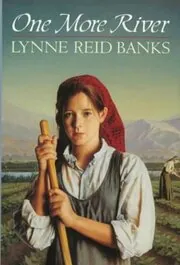
One More River
by Lynne Reid Banks
1973
Fourteen-year-old Lesley is furious when her father uproots the family from comfortable Canada to a kibbutz in Israel. What begins as rebellion slowly becomes a searching story about identity, belonging, and the people on the other side of the river.
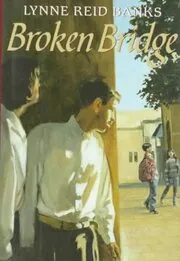
Broken Bridge
by Lynne Reid Banks
1995
A Canadian teenager arrives in Israel only to be killed in a sudden attack, leaving one girl as the only witness. The aftermath exposes family fractures, grief, and the daily strain of the Israeli-Arab conflict.
One More River books in chronological order
Series background & context
The One More River books are young adult novels, but they tackle big questions without talking down to the reader. The first book follows Lesley, a Canadian teenager whose comfortable life is upended when her father decides the family should move to Israel and live more fully as Jews. Lesley does not greet the change with noble enthusiasm. She is angry, skeptical, and convinced she is being dragged away from everything that makes sense.
That resistance is what makes her such a good guide.
Once the family reaches the kibbutz, the series opens into a different kind of coming-of-age story. Lesley has to learn a new country, a new social world, and a new way of thinking about belonging. Banks uses school life, work, friendships, and family strain to show the everyday texture of that adjustment. She also places Lesley close to the larger conflict around her, including her uneasy, formative connection with an Arab boy across the River Jordan and the gathering pressure that leads toward war.
The sequel, Broken Bridge, moves the story forward through a younger generation. It brings in Canadian and Israeli teenagers, family history, and a shocking act of violence that ripples outward through a kibbutz community. The result is darker and more openly political, but it keeps the same concern with how public conflict settles inside private lives. Nobody in these books gets to stand outside history for long.
That is one reason the series still feels unusually sharp. Banks is interested in Israel as a lived place, not just a backdrop. Kibbutz life, migration, language, religion, divided loyalties, and the Israeli-Arab conflict all matter, but they matter because they shape the characters' emotional choices. The books are serious, sometimes painful, and full of arguments that do not resolve neatly.
These are not neat issue books with easy morals.
Readers should expect thoughtful, character-driven stories with real momentum and real bite. Read in order, the two books show how identity can shift across time and generations, and how a family's move, or a single violent moment, can change the course of several lives at once.


Edited by
Software engineer whose passion for tracking book recommendations from podcasts inspired the creation of MRB.
Lead investor at 3one4 Capital whose startup expertise and love for books helped shape MRB and its growth.
Comments
Did we miss something? Have feedback?
Help us improve this page by sharing your thoughts