
Bronte Biographies Books in Order
Part ofLynne Reid Banks Books in OrderExplore the Bronte Biographies by Lynne Reid Banks in order, with summaries, historical background, and help choosing where to start.
Last updated:
As an Amazon Associate, we earn from qualifying purchases (at no extra cost to you).
Bronte Biographies books in publication order
2 books
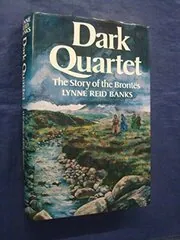
Dark Quartet
by Lynne Reid Banks
1976
Banks turns the lives of the Brontë siblings into vivid historical fiction, from their intense childhood imaginings to their difficult adult years. It is a family story shaped by poverty, ambition, illness, and extraordinary writing.
Path to the Silent Country
by Lynne Reid Banks
1977
This companion novel follows Charlotte Brontë through fame, loss, and the complicated years after her books changed her life. Banks brings the public success and private cost of that life into sharp focus.
Bronte Biographies books in chronological order
Series background & context
The Bronte Biographies books are historical novels, but they read with the pull of family drama. In Dark Quartet, Banks takes the four surviving Brontë siblings, Charlotte, Emily, Anne, and Branwell, and places them back inside the crowded, intense world of Haworth Parsonage. Childhood games, private writings, ambition, money worries, and the pressure of the Yorkshire moors all feed the story from the start.
It is a literary family, but also a very human one.
Banks is especially interested in the gap between the Brontës' inward lives and the harsh limits around them. The children invent whole kingdoms in their writing, yet as adults they still have to reckon with poverty, dull work, illness, and the shrinking chances open to them. Dark Quartet shows how imagination can be both escape and labor, something joyous in childhood and something fiercely necessary later on.
Path to the Silent Country narrows the focus to Charlotte Brontë after success arrives. Instead of ending with publication and fame, Banks follows what comes next: grief, scrutiny, loneliness, and the odd pressure of being known for work that came out of such private suffering. That makes the pair of books fit together well. The first gives you the family weather system. The second shows what happened when one sister had to keep living after the others were gone.
The tone is accessible rather than scholarly. You do not need to arrive knowing every date or every novel. Banks gives the books enough historical texture to feel rooted, but she keeps the emphasis on motive, temperament, and relationships. Readers who like biographical fiction will probably appreciate how much she trusts scene, voice, and domestic detail.
Fame, in these books, never cancels grief.
If you are coming for the Brontës as icons, expect something more grounded and more personal. These stories are about writing, certainly, but also about siblings, duty, frustration, illness, and the strange persistence needed to turn inner life into published work. Read together, they offer a fuller portrait of the family and of Charlotte in particular, from imaginative childhood to the later years when success could not protect her from loss.









Edited by
Software engineer whose passion for tracking book recommendations from podcasts inspired the creation of MRB.
Lead investor at 3one4 Capital whose startup expertise and love for books helped shape MRB and its growth.
Comments
Did we miss something? Have feedback?
Help us improve this page by sharing your thoughts