
Ollie Ollerton Books in Order
Browse Ollie Ollerton's books in order, with quick summaries, Alex Abbott series background, and clear, simple advice on where to start reading.
Last updated:
As an Amazon Associate, we earn from qualifying purchases (at no extra cost to you).
Ollie Ollerton books in publication order
5 books
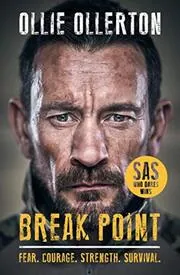
Break Point
by Ollie Ollerton
2019
Ollerton's memoir charts his journey from childhood trauma and Royal Marines training to special forces service, war zones, and a collapse into addiction. It's a blunt account of pressure, survival, and rebuilding a life when everything starts to crack.
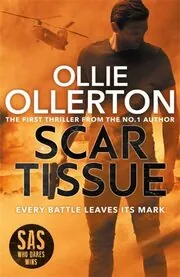
Scar Tissue
by Ollie Ollerton
2020
After fleeing the Middle East, ex-special forces soldier Alex Abbott is scraping by in Singapore until news of his missing son drags him back to Baghdad. It's a hard, tense thriller about war scars, family, and redemption.
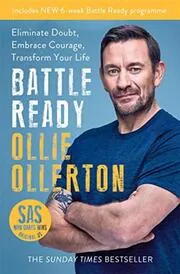
Battle Ready
by Ollie Ollerton
2021
Part memoir, part mindset manual, this book turns Ollerton's hard-won recovery into a practical plan for change. He focuses on purpose, discipline, visualisation, and daily habits that help break doubt and build resilience.
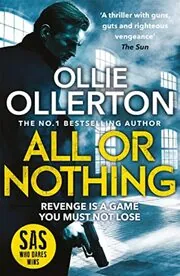
All or Nothing
by Ollie Ollerton
2022
Alex Abbott hunts revenge for his brother's death by infiltrating a gang with links to child trafficking. From northern England to Eastern Europe, the mission gets darker fast, and his own secrets threaten to blow it apart.

How to Survive (Almost) Anything
by Ollie Ollerton
2023
Ollerton packs survival know-how into a practical guide for emergencies, from wilderness trouble and first aid to bigger modern threats. The focus is straightforward: prepare your mind, sharpen your instincts, and stay useful when things go wrong.
Where to start with Ollie Ollerton
If you want the true story first: Break Point
If you want mindset and practical tools: Break Point → Battle Ready → How to Survive (Almost) Anything
If you want gritty thriller fiction: Scar Tissue → All or Nothing
Ollie Ollerton sub-series and character series
Ollie Ollerton collections, short stories, and related book types
Non-Fiction
Author bio
Ollie Ollerton first came to a lot of readers through television, as one of the founding Directing Staff on Channel 4's SAS: Who Dares Wins. But the version of him on screen only makes sense when you look at the longer story behind it, Royal Marines training, special forces work, a rough civilian aftermath, and then a second career built around writing, coaching, and resilience.
When he was 10, he survived a near-fatal chimpanzee attack while on holiday in France. He has said that by 14 he was already set on a military life, helped along by family military history and a feeling that school was never going to be where his real drive lived.
He joined the Royal Marines at 18 and later served in Northern Ireland and Iraq. At 23, he passed special forces selection, moved into the Special Boat Service, and eventually became a team leader. Those years gave him direct experience of hostile environments, covert work, and the sort of pressure that would later shape both his memoir and his thrillers.
That kind of career gave him stories, but it also left a mark.
After leaving that world, things got messy. Ollerton has been open about how badly he struggled with civilian life, working as a contractor in Iraq, drinking heavily, battling drugs, anxiety, and depression, and feeling badly adrift. A turning point came in Southeast Asia, where anti-trafficking work helping rescue children from slavery and prostitution gave him a new sense of purpose. He has also spoken about shutting himself away for three months in 2014 to rebuild his habits and mindset from scratch.
That period became the backbone of Break Point, the memoir that brought his story onto the page. The book moves through childhood trauma, military service, and the hard landing that followed, which is a big reason readers connect with it. People may come for the combat stories and selection-course grit, but the book lands because it is also about addiction, shame, fear, and figuring out how to live when the mission is over.
He followed it with Battle Ready, which takes many of those lessons and turns them into a more practical guide. Purpose, visualisation, routines, discipline, and changing bad habits sit at the centre of it. Readers who like Ollerton's non-fiction usually respond to the plain way he writes. He doesn't dress the message up too much, and he keeps bringing big ideas back to what a person can actually do tomorrow morning.
His fiction draws from the same well. Scar Tissue and All or Nothing introduce Alex Abbott, an ex-special forces soldier who is capable, damaged, and never far from trouble. The novels move through places like post-invasion Iraq, Singapore, the North of England, and Eastern Europe, and they keep returning to themes Ollerton knows well, trauma, addiction, loyalty, family rupture, and the cost of violence. His later book How to Survive (Almost) Anything shifts back into practical territory, using survival scenarios to teach preparation, calm thinking, and useful action.
He doesn't separate survival from mindset.
These days, Ollerton works as a speaker, mentor, and coach, and he also leads expeditions and training through his own platform. He has continued his on-screen work in SAS Australia as well. Across the memoir, the mindset books, and the Alex Abbott thrillers, the through-line is pretty clear: pressure reveals character, but it doesn't have to be the end of the story.









Edited by
Software engineer whose passion for tracking book recommendations from podcasts inspired the creation of MRB.
Lead investor at 3one4 Capital whose startup expertise and love for books helped shape MRB and its growth.
Comments
Did we miss something? Have feedback?
Help us improve this page by sharing your thoughts