
Odysseus Books in Order
Part ofValerio Massimo Manfredi Books in OrderSee the Odysseus books in order by Valerio Massimo Manfredi, with short summaries, series background, and a simple guide to where to start.
Last updated:
As an Amazon Associate, we earn from qualifying purchases (at no extra cost to you).
Odysseus books in publication order
2 books
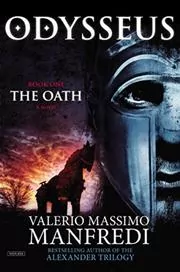
The Oath
by Valerio Massimo Manfredi
2012
Odysseus grows up on rocky Ithaca, learns what kind of man he wants to be, and is pulled into the web of Greek kings and rivalries. This first volume takes him from youth to the fall of Troy.
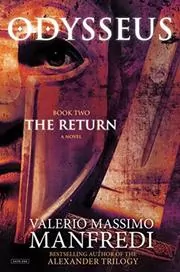
The Return
by Valerio Massimo Manfredi
2013
With Troy destroyed, Odysseus turns for home and finds monsters, enchantresses, storms, and grief waiting at sea. The second volume follows the long, brutal voyage back to Ithaca and the family he refuses to forget.
Odysseus books in chronological order
Series background & context
Manfredi's Odysseus books take one of the best-known figures in Greek myth and make him feel like a living man again. The old wonders are still there, the voyages, the monsters, the war, the homecoming, but the series is grounded in physical detail and human motive. Odysseus is not treated as a distant emblem of cleverness. He is a son, husband, sailor, fighter, and survivor who has to improvise his way through a dangerous world.
The Oath begins on rocky Ithaca and follows Odysseus well before the return journey that most readers know. That early stretch matters, because Manfredi wants to show how he is made. Family shapes him, especially Laertes, Euryclea, and his grandfather Autolykos. So does island life itself, which teaches caution, self-reliance, and respect for the sea. By the time the story reaches Sparta, Helen, Penelope, and the oath that binds the Greek princes together, Odysseus already feels fully formed, even if history has not yet turned him into a legend.
This is myth told like lived history.
The first book builds toward Troy, but it never feels like simple scene-setting. Along the way Odysseus meets heroes, hears older tales, and learns how quickly glory becomes obligation. Manfredi is especially good at the material side of the world, ships, harbors, feasts, armor, weather, camp politics. That helps the myth breathe. It also sharpens what makes Odysseus different. He is rarely the strongest man present. His edge is attention. He watches, listens, remembers, and thinks sideways when other men charge straight ahead.
The Return shifts the focus from war to survival. Troy has fallen, but going home turns out to be the harder task. The familiar dangers are all here, Polyphemus, the lotus-eaters, Circe, the Sirens, the dead, the long delay far from Ithaca, but they are woven into a journey that feels exhausting as well as marvelous. Manfredi does not treat the voyage as a string of neat episodes. It feels like a long wearing-down of body, crew, certainty, and time itself.
Home is the real battlefield.
That is what gives the second book its emotional pull. Penelope and Ithaca remain the fixed point, even when they are far away, and the larger question becomes not just whether Odysseus can get back, but what will still be left of him when he does. The series keeps asking how much a man can lose, how much he can endure, and whether memory can hold together a life stretched between fame and longing.
If you are coming to these books fresh, read them in order, The Oath and then The Return. They work well for readers who enjoy Greek myth but want it to feel more tactile, more dangerous, and more personal. Manfredi respects the old story, but he also makes room for rough edges, fatigue, doubt, and the stubborn ache of wanting to go home.













Edited by
Software engineer whose passion for tracking book recommendations from podcasts inspired the creation of MRB.
Lead investor at 3one4 Capital whose startup expertise and love for books helped shape MRB and its growth.
Comments
Did we miss something? Have feedback?
Help us improve this page by sharing your thoughts